

Acrylic Soil Hardener Explained: How to Stabilize and Strengthen Ground Surfaces
2026-07-13
Have you ever struggled with dusty, unstable ground that just won’t stay put? Acrylic soil hardeners are transforming how we stabilize and strengthen surfaces, from driveways to pathways, without the heavy machinery. But not all hardeners are created equal—understanding the science and choosing the right product can make all the difference. That’s where MST steps in, offering innovative solutions that cut through the noise. In this post, we’ll unpack how acrylic soil hardeners work, why they’re a game-changer for DIYers and pros alike, and how MST’s approach brings lasting results with surprising ease. Dive in to discover the secret to rock-solid ground.
What Is Acrylic Soil Hardener and Why It’s Gaining Ground
Acrylic soil hardener is essentially a liquid polymer treatment that, when applied to loose or sandy ground, binds the particles together to form a durable, semi-rigid surface. Think of it as a kind of glue for dirt—once it cures, the soil becomes resistant to erosion, dust, and rutting. It’s commonly used on construction sites, unpaved roads, and even in landscaping to keep gravel paths tidy without constant maintenance.
What’s pushing its popularity lately is the shift toward greener, low-impact construction methods. Unlike conventional stabilizers that rely on heavy carbon footprints or toxic byproducts, acrylic formulas are often water-based and non-toxic, making them safer for surrounding vegetation and groundwater. Contractors appreciate that it’s easy to apply with a simple sprayer and doesn’t require specialized equipment, saving both time and money. Plus, as more regions enforce dust control regulations, the demand for a quick, effective fix has naturally grown.
The Science Behind Soil Stabilization: How Acrylic Polymers Work
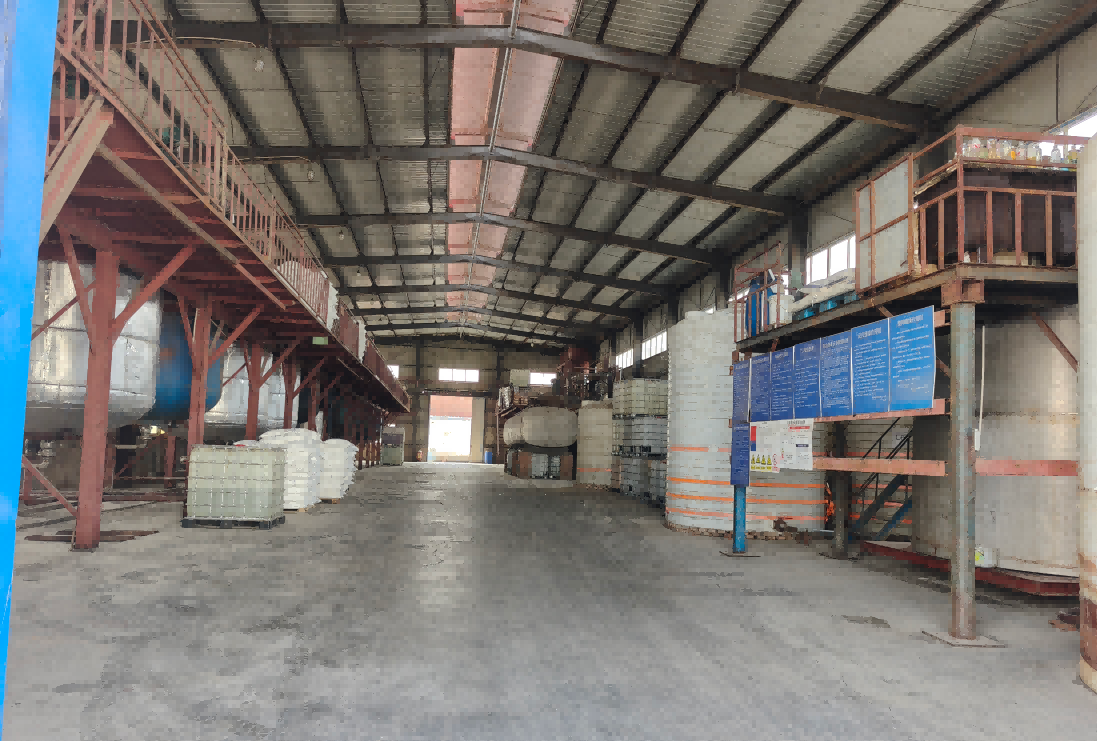
Acrylic polymers, specifically those based on polyacrylamide or polyacrylate chemistry, function as soil stabilizers by altering the physical and electrochemical properties of the soil matrix. When applied to loose or erodible soil, these long-chain molecules adsorb onto clay and silt particles, bridging them together through hydrogen bonding and electrostatic interactions. This process forms a cohesive network that increases the soil's resistance to wind and water erosion. Unlike traditional binders, acrylic polymers remain flexible after drying, allowing the treated surface to withstand thermal expansion and mechanical stress without cracking—a common failure point in cement or lime stabilization.
The mechanism deepens as the polymer chains interlace with soil aggregates, creating a semi-permeable membrane that reduces water infiltration while still allowing some vapor transmission. This dual action minimizes surface runoff and prevents the soil from becoming waterlogged, which often leads to instability. In sandy or silty soils, the polymers fill the void spaces, increasing inter-particle friction and binding fine grains into larger, more stable clusters. The result is a durable surface that can support traffic, reduce dust generation, and maintain its integrity under heavy rainfall. The effectiveness depends on factors like polymer concentration, molecular weight, and soil mineralogy, making site-specific formulation crucial.
Over time, UV exposure and microbial activity gradually degrade the polymer chains, but the stabilization effect persists as the decomposed organic matter continues to improve soil structure. This biodegradability is an advantage in environmentally sensitive areas, as the material does not leave behind persistent synthetic residues. Field applications often combine acrylic polymers with mulches or revegetation efforts, where the polymer acts as a temporary scaffold while plant roots establish. This synergy creates a self-sustaining system: the initial chemical reinforcement buys time for biological stabilization, ultimately leading to a natural, erosion-resistant landscape.
From Dusty Paths to Solid Surfaces: Key Applications
The transformation of unpaved, dusty paths into reliable, solid surfaces has shaped modern infrastructure in ways often taken for granted. In rural and developing regions, simple dirt roads become impassable during rains, isolating communities and stalling economic activity. Applying stabilizers, compacted gravel, or asphalt overlays turns these fragile ribbons of earth into all-weather thoroughfares, directly improving access to markets, schools, and healthcare. This shift isn't merely cosmetic; it fundamentally alters daily life, reducing vehicle maintenance costs and curbing respiratory issues caused by airborne dust. The key application here is connectivity—enabling the steady flow of people and goods where once there was only uncertainty.
Beyond basic roadways, the concept extends to industrial and residential settings. Warehouse floors, factory aisles, and even backyard patios benefit from the same principle of converting unstable ground into durable, low-maintenance surfaces. Concrete slabs, interlocking pavers, and resin-bound aggregates each offer tailored solutions for different load-bearing and aesthetic needs. In mining or agricultural operations, stabilizing haul roads with polymers or cement minimizes erosion and equipment wear, directly cutting operational costs. These applications share a common thread: the deliberate enhancement of the ground beneath our feet to support heavier demands, resist the elements, and provide a safer, cleaner environment for work and leisure.
Environmental considerations have recently reshaped how these solid surfaces are built. Permeable paving systems now allow rainwater to infiltrate the ground, reducing runoff and recharging local aquifers—a stark contrast to traditional impervious methods. Recycled materials like crushed concrete or glass are increasingly used as base layers, diverting waste from landfills while maintaining structural integrity. Even in urban planning, the movement from dusty lots to green, stabilized public squares demonstrates a fusion of durability with ecological sensitivity. The lasting impact of these applications is their ability to marry functionality with sustainability, proving that the path forward doesn’t have to leave a scar.
Acrylic vs. Traditional Methods: A Practical Comparison
When you pick up a brush, the choice between acrylics and traditional oils or watercolors often comes down to how you like to work day to day. Acrylics dry fast—sometimes too fast if you’re used to blending wet into wet for hours—but that speed lets you layer without muddying colors and pack up sooner. Traditional oils give you that slow, forgiving open time, yet they demand ventilation, solvents, and patience while each layer cures. It’s less about which is better and more about whether your rhythm favors immediacy or a drawn-out dialogue with the canvas.
On the practical side, cleanup and studio setup differ sharply. With acrylics, soap and water handle everything, making them friendlier for small spaces or shared rooms. Oils mean rags, brush tanks, and careful disposal of paint waste. Watercolor, another traditional route, is wonderfully portable but demands a different kind of control—you’re guiding pigment rather than pushing it. Each method shapes not just the final look, but the entire creative habit: the sounds, smells, and little rituals that become part of your practice.
Step-by-Step Guide to Applying Acrylic Soil Hardener Like a Pro
Before you even open the bottle, make sure the soil or gravel surface is completely clean and dry. Any dust, debris, or moisture will prevent the acrylic hardener from bonding properly. Sweep thoroughly, and if needed, use a leaf blower to get rid of fine particles. This step often gets skipped, but pros know that surface prep makes all the difference in how long the hardener lasts.
Mixing the acrylic hardener correctly is where many people go wrong. Always follow the manufacturer’s ratio—typically one part hardener to between two and four parts water, but it can vary. Use a clean bucket and stir slowly to avoid introducing air bubbles, which can create weak spots. If you’re covering a large area, mix just enough for the next 30 minutes; the solution can start setting in the bucket if left too long.
For application, a pump sprayer gives the most even coat, but a watering can with a fine rose works for smaller spaces. Apply in a back-and-forth motion, barely overlapping each pass to prevent puddling. Once the first coat is down, let it cure for at least an hour before walking on it or applying a second coat. A pro tip: test a small hidden patch first to see how the hardener reacts with your specific soil type.
Long-Term Benefits and Maintenance Tips for Treated Ground
A properly treated ground surface delivers remarkable longevity, often outlasting untreated alternatives by years. The treatment penetrates deep into the substrate, fortifying it against moisture, freeze-thaw cycles, and daily wear. This not only preserves structural integrity but also reduces the frequency of repairs, ultimately saving you time and money. Over the long haul, you'll notice fewer cracks, less settling, and a consistently stable platform for whatever you build or park on top of it.
To keep your treated ground performing well, a little proactive care goes a long way. Start with seasonal inspections—look for any areas where water might be pooling or where vegetation is trying to take root through tiny fissures. Clear debris regularly to prevent organic matter from trapping moisture against the surface. If you spot early signs of surface dulling or minor erosion, a light reapplication of the treatment in those spots can restore the protective barrier before real damage sets in.
Another often-overlooked tip is to manage the load and traffic patterns on the ground over time. Even the best-treated surfaces benefit from occasionally shifting heavy loads or machinery paths to avoid concentrated stress. Additionally, maintain proper drainage around the perimeter; gutters, downspouts, and grading should direct water well away from the treated area. By combining these habits with the inherent durability of the treatment, you'll extend its lifespan well beyond typical expectations.
FAQ
It’s a liquid copolymer emulsion that gets mixed with water. When you spray it onto soil, the water evaporates and the polymer particles fuse together, forming a tough, flexible film that binds soil particles. It’s essentially a plastic-like net that traps sand, silt, and gravel in place without cement or heavy compaction.
You’ll get the best results on granular soils with enough space between particles for the binder to penetrate. Sandy soils, gravel paths, and crushed rock are perfect. Heavy clay isn’t ideal because the particles are too tightly packed for the emulsion to soak in properly.
When applied correctly, it can last for years—often 5 to 10—depending on traffic, weather, and UV exposure. Some commercial grades include UV stabilizers to prevent breakdown from sunlight, but eventually you may need a fresh coat to maintain performance.
Acrylic hardeners are generally non-toxic once cured. They create a skin that doesn’t leach chemicals, so nearby plants and groundwater aren’t harmed. However, you should keep it away from waterways and avoid spraying directly on leaves during application.
Start by clearing the area of debris and loosening the top inch of soil. If the ground is too dry, lightly dampen it. Dilute the hardener with water according to the label—often 1 part concentrate to 4–10 parts water—and spray evenly. Let it dry for a few hours, then apply a second coat for strength. Keep traffic off until it’s fully cured, typically 24 hours.
Yes, it remains permeable. The cured binder coats particles and locks them together but leaves voids between them, so rainwater can still seep through instead of pooling on top. That makes it great for erosion control on slopes while letting the ground breathe.
Conclusion
Acrylic soil hardener is a liquid polymer emulsion that bonds soil particles together, creating a durable, water-resistant surface. When applied to ground, the acrylic polymers penetrate the soil and form a flexible yet strong matrix after curing. This chemistry locks loose grains in place, effectively suppressing dust and preventing erosion. It's increasingly used for gravel driveways, walking paths, horse arenas, and construction sites because it provides a clean, firm surface without the need for heavy compaction or constant maintenance.
Compared to traditional methods like cement or asphalt, acrylic treatment is simpler and more eco-friendly—no excavation required, and it preserves natural drainage. The application process is straightforward: prepare the area, spray the hardener evenly, and allow it to cure for 24–48 hours. Over time, treated ground resists cracking, washouts, and weed growth. Regular sweeping and occasional reapplication every few years keep it in top shape, making acrylic soil hardener a practical, long-lasting solution for stabilizing outdoor spaces.
Contact Us
Contact Person: Helen
Email: [email protected]
Tel/WhatsApp: 86 18630661160
Website: https://www.roadmilestone.com/