

Aseptic Bag in Box Manufacturer for Superior Liquid Preservation
2026-07-16
In industries where product integrity and shelf life are non-negotiable, aseptic bag-in-box packaging has become the gold standard for liquid preservation. Yet, the effectiveness of this system hinges on the reliability of its components—especially the manufacturer behind them. Enter Kody, a name that redefines precision and trust in aseptic bag-in-box solutions. Whether you're dealing with sensitive dairy, premium juices, or pharmaceutical fluids, the way your liquid is stored can make or break its quality. This article peels back the layers of what sets a superior manufacturer apart and why Kody is leading a quiet revolution in aseptic packaging.
The Science Behind Aseptic Bag-in-Box Systems
Aseptic bag-in-box systems rely on a precise interplay of sterilization, filling, and sealing technologies to preserve liquid products without refrigeration or added preservatives. The process begins by independently sterilizing the product and the packaging components. The liquid undergoes ultra-high temperature (UHT) treatment, where it is heated to 135–150°C for a few seconds, effectively destroying all microorganisms and spores. Simultaneously, the multi-layer bag—typically made from materials like EVOH and metallized polyester—is sterilized, often using hydrogen peroxide vapor or gamma irradiation, while the spout and cap are disinfected. This parallel sterilization ensures that every component enters the filling chamber in a commercially sterile state.
The filling operation takes place within a hermetically sealed, sterile environment purged with HEPA-filtered air or inert gas to maintain sterility. The sterilized bag is inflated, filled with the cooled, sterile product, and immediately sealed—all within seconds. The bag’s construction is far from ordinary; its barrier layers are engineered to block oxygen, light, and moisture, which are major contributors to spoilage. The inner film is designed to be inert, preventing any chemical interaction with the contents, ensuring that flavor, color, and nutritional value remain stable for months. This is why aseptic bag-in-box systems are widely used for dairy products, fruit juices, and even sensitive pharmaceutical liquids.
What truly differentiates these systems from conventional packaging is the complete absence of post-pasteurization contamination risk. Once sealed, the product in its protective bag is effectively insulated from external contamination until the moment of dispensing. The dispensing connector features a tamper-evident, double-sealed design that prevents ingress of air or microbes during use, allowing intermittent dispensing without refrigeration in many cases. Continuous innovation in film technology and sterilization methods has expanded the applicability of bag-in-box to low-acid products that were once considered too challenging to preserve. The science at its core—managing validation of microbial log reduction across every surface and interface—demands rigor comparable to medical device packaging, making it a marvel of food engineering.
Ensuring Liquid Integrity with Advanced Manufacturing
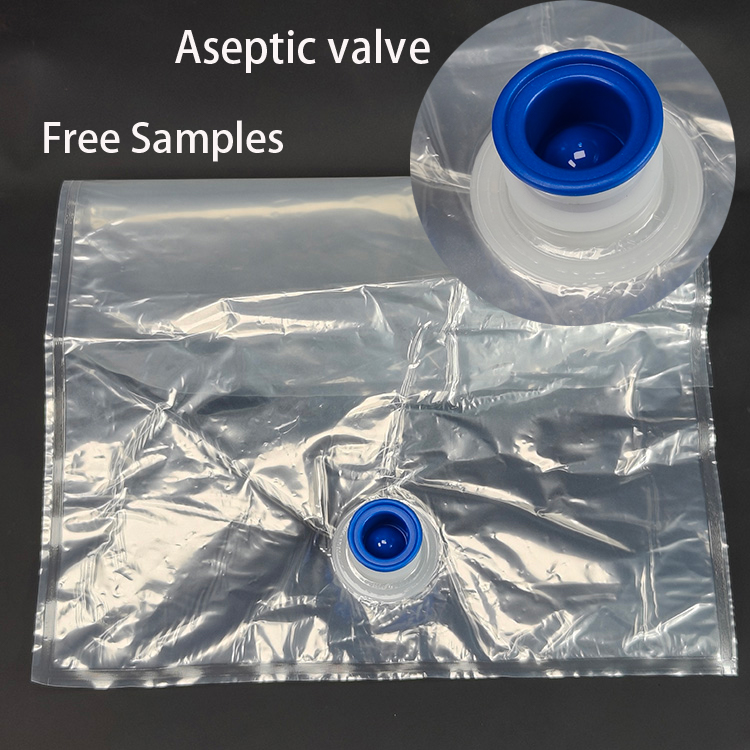
Cutting-edge fabrication techniques are reshaping how industries maintain uncompromised fluid containment. Precision laser welding now creates micro-seals that withstand extreme pressure cycles without fatigue, while additive manufacturing allows for internal channel geometries that virtually eliminate dead legs where contaminants could hide. These processes are not just about strength—they’re about crafting surfaces at the microscopic level to resist corrosion and biofilm formation, directly tackling the root causes of integrity loss.
In sectors where even parts-per-billion contamination is unacceptable, advanced manufacturing brings a new level of control. Electro-polishing combined with passivation treatments produces ultra-smooth surfaces that repel adhesion, while real-time in-line monitoring systems—built directly into production lines—validate every weld and joint as they’re formed. This shift from post-build inspection to in-process verification catches microscopic flaws before they become failure points, turning quality assurance into an embedded feature of the manufacturing workflow.
Material science is equally critical. High-purity alloys engineered at the grain boundary level provide superior resistance to aggressive chemicals, and hybrid components that fuse polymers with metals are eliminating traditional leak-prone connections. By integrating computational fluid dynamics simulations directly into the design phase, engineers can now predict and mitigate turbulence-induced wear before a single component is built, effectively baking durability into the product’s DNA rather than relying on after-the-fact fixes.
From Wine to Chemicals: Versatile Liquid Preservation Solutions
The same principles that keep a fine Bordeaux fresh for days after opening are now safeguarding reactive laboratory reagents and high-purity industrial fluids. By displacing oxygen with inert gases like argon or nitrogen, these systems create a protective blanket that halts oxidation and evaporation without altering the liquid’s composition. Whether it’s a half-empty bottle of Chardonnay or a drum of moisture-sensitive solvent, the goal remains identical: extend usable life while preserving original integrity.
Unlike bulky vacuum pumps that can strip delicate aromas or fail on volatile compounds, modern gas-blanketing technologies adapt to a wide viscosity and vapor pressure range. Lightweight barrier films and precision valves maintain a consistent low-pressure environment, effectively decoupling preservation from container size or material. This shift has moved the technique from cellar novelties into chemical warehouses, where a single unit might protect everything from specialty inks to photoresists with equal reliability.
What truly sets these solutions apart is their gentle, passive mechanism. Without mechanical agitation or chemical additives, the liquid remains in a near-static state, minimizing degassing and particulate contamination. A winemaker can store an open Pinot Noir for weeks, while a technician keeps a peroxide solution stable for months—both powered by the same elegantly simple barrier against atmospheric damage. It turns out the line between a connoisseur’s pantry and a cleanroom shelf is thinner than anyone imagined.
Eco-Friendly Packaging That Doesn't Compromise Quality
More and more companies are discovering that sustainable materials can actually enhance product protection. From mushroom-based cushioning that molds perfectly to delicate items, to corrugated cardboard with surprising strength, eco-friendly packaging now rivals traditional options in durability. Innovative designs use less material while maintaining structural integrity, proving that green solutions don’t mean flimsy results. When done right, these packages withstand shipping rigors just as well—if not better—than their conventional counterparts.
The secret lies in smart engineering and material science. Plant-based plastics and recycled fibers are being reimagined to deliver the same tactile satisfaction and visual appeal that brands rely on. Customers often can’t tell the difference until they read the label, which opens up genuine conversations about environmental responsibility. This seamless blend of ethics and performance allows businesses to elevate their brand without sacrificing the unboxing experience that delights customers.
Tailored Aseptic Solutions for Unique Liquid Products
Every liquid product carries its own set of challenges—viscosity, pH sensitivity, particulate behavior, and thermal stability are just a few factors that demand more than a one-size-fits-all approach. Our aseptic processing systems are built from the ground up around your specific formulation, ensuring that the delicate balance of your product remains intact from the first drop to the final package. By adapting filling technologies and sterilization methods to match your liquid’s unique characteristics, we eliminate the compromises that often come with standard equipment, giving you a process that feels like it was designed exclusively for your product—because it was.
What sets a truly tailored solution apart is the depth of collaboration that shapes it. We work alongside your development and production teams to map out every critical control point, from raw material reception to aseptic filling and capping. This partnership extends beyond machinery into process architecture: customized isolator configurations, precisely tuned air handling, and sterilant delivery systems that respect your product’s sensitivity to heat or chemicals. The result is a line that operates with the intuition of an experienced operator, yet is fully automated and validated to the most stringent regulatory expectations.
The impact of a customized aseptic line reveals itself in more than just technical performance. Production runs become more predictable, with fewer rejections tied to container integrity or contamination. Changeover times shrink, opening up capacity for smaller batches or unusual packaging formats without sacrificing sterility assurance. Ultimately, this level of customization turns a complex aseptic process into a strategic advantage—protecting your brand’s integrity while giving your unique liquid product the gentle, precise handling it deserves.
Partnership Beyond Packaging: Comprehensive Support
True partnership means understanding that packaging is just one piece of a much larger operational puzzle. We work side by side with your teams from day one—not just to spec materials, but to grasp your workflow cadence, seasonal surges, and even the unspoken stresses of launch deadlines. Our support model flexes around your reality, whether that means jumping on a late-night call to troubleshoot a supplier hiccup or sitting in on your planning meetings to spot bottlenecks before they form.
Beyond the production floor, our engagement extends into areas most packaging providers overlook. Need guidance on inventory staging to avoid demurrage fees? We’ll map out a just-in-time delivery schedule that syncs with your warehouse turn. Navigating a new retailer’s sustainability scorecard? We’ll help decode the requirements and adjust your packaging spec so you don’t lose shelf space. It’s this breadth of attention—from logistics to compliance—that transforms a transactional vendor relationship into a genuine extension of your team.
We also believe that support should be proactive, not reactive. That’s why we assign a dedicated strategist who tracks industry shifts and gives you a quarterly briefing on material innovations, regulatory changes, and cost-saving opportunities. When a major substrate shortage hit last year, our partners already had a vetted alternative in hand because we had flagged the risk months earlier. That’s the kind of foresight that keeps your lines running and your brand reputation intact, all without you having to ask.
FAQ
Our system uses advanced multilayer film barriers and sterilized filling environments to eliminate oxygen and light exposure, locking in freshness for months without refrigeration or preservatives.
It excels with dairy, juices, wine, liquid eggs, tomato paste, and sensitive concentrates—any product where maintaining original flavor, color, and nutritional value is critical.
We supply pre-sterilized bags with patented double-membrane fitments that integrate directly into aseptic fillers, creating a completely closed, touchless transfer from processing to package.
Absolutely, we offer modular filling equipment and bag sizes from 2 liters to 1,400 liters, making aseptic packaging viable for craft wineries, small dairies, and co-packers with flexible production runs.
Our coextruded EVOH and metallized polyester layers provide nearly zero oxygen transmission, plus we reinforce corners and seams to withstand rough handling during transport and dispensing.
Compared to rigid containers, our bags reduce material use by up to 80%, collapse as they empty to minimize product waste, and many components are recyclable in soft-plastic streams.
Yes, our in-house lab runs accelerated aging tests and microbiological challenges tailored to your formula, ensuring you can confidently market with proven 9- to 18-month ambient stability.
Conclusion
Aseptic bag-in-box technology relies on a precisely controlled sterilization process that eliminates microorganisms while preserving the liquid's natural characteristics. During filling, the bag and product are sterilized separately before being brought together in a sterile environment. This ensures that sensitive liquids—whether wine, juices, dairy, or even industrial chemicals—retain their flavor, nutritional value, and chemical stability without the need for preservatives or refrigeration. Advanced manufacturing techniques, including multi-layer film co-extrusion and automated quality checks, create a robust barrier against oxygen and light, extending shelf life significantly. The system's versatility is remarkable: from high-acid fruit concentrates to low-acid dairy products and aggressive chemical solutions, customized spouts, films, and filling parameters can be tailored to each product's unique requirements, all while maintaining uncompromised sterility.
Beyond the technical advantages, this packaging approach addresses modern environmental concerns without sacrificing performance. The lightweight, collapsible design reduces carbon footprint throughout the supply chain, and many components are designed for recyclability or incorporate renewable materials. Crucially, the bag-in-box format minimizes product waste by enabling nearly complete dispensing, even for viscous liquids. Manufacturers who excel in this field treat the relationship as an ongoing collaboration, offering support that spans from package development and shelf-life testing to rapid troubleshooting and scalable production guidance. This holistic commitment ensures that each aseptic solution is not just a container, but a strategic asset for preserving liquid integrity from fill to final use.
Contact Us
Contact Person: Cindy Lee
Email: [email protected]
Tel/WhatsApp: 8613622669331
Website: https://www.dgkody.com