

Best 808nm Laser: Which One Should You Choose for Optimal Performance?
2026-07-23
Choosing the right 808nm laser can feel overwhelming, especially when so much depends on performance and reliability. Whether you're in the aesthetics industry or working with advanced photonics, the wavelength is only part of the equation. What really matters is the engineering behind the diode and the consistency of the output. That’s where manufacturers like GUANG TAI stand out, delivering precision and durability that professionals demand. In this guide, we’ll explore what sets top-tier 808nm lasers apart and help you decide which one truly delivers optimal performance for your needs.
Understanding the 808nm Advantage
When it comes to laser technology, wavelength isn't just a number—it's the deciding factor for how light interacts with tissue. The 808nm wavelength sits in a sweet spot where penetration depth and absorption balance perfectly. Unlike shorter wavelengths that scatter too early or longer ones that get absorbed by water before reaching the target, 808nm light dives deep enough to trigger powerful biological responses without overwhelming the surface. This makes it exceptionally suited for applications demanding both reach and precision.
What really sets 808nm apart is how cells metabolically respond to it. The photon energy at this wavelength aligns with a critical absorption peak of cytochrome c oxidase, a key enzyme in the mitochondrial electron transport chain. By gently stressing the mitochondria, it sparks a cascade that ramps up ATP production, modulates reactive oxygen species, and wakes up dormant repair mechanisms. The result is faster tissue regeneration, reduced inflammation, and a systematic reset that superficial treatments simply can't match.
In practice, this translates to outcomes that feel almost intuitive. Hair restoration specialists notice stronger follicles and less shedding after sessions, while pain management clinics see quicker relief for deep joint discomfort. Even aesthetic practices report skin texture improvements that go beyond what red light alone can achieve. The 808nm advantage isn't just theoretical—it's a tangible shift in how we approach light-based therapies, offering a level of versatility that keeps it at the forefront of non-invasive treatment strategies.
Power Levels and What They Mean for Results
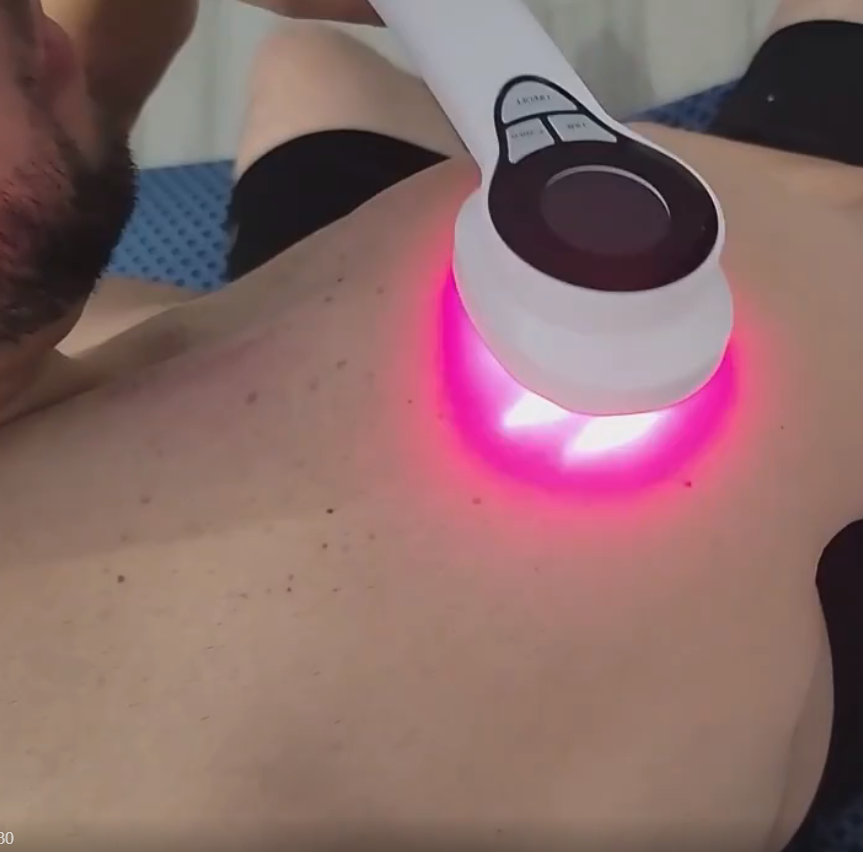
Getting to grips with power levels isn’t just about knowing what a machine can do—it’s about understanding how small adjustments ripple through your final outcome. Lower settings often trade sheer force for nuance, letting you tease out details that a blast of full strength would simply obliterate. Think of it like the difference between gently folding egg whites into a batter versus cranking the mixer to high speed: one approach preserves air and structure, the other knocks it all flat. The same logic applies whether you’re dialing in a laser cutter, adjusting a microwave, or tuning a power tool. The number you pick sets the boundaries for what’s possible, shaping everything from speed and texture to the very integrity of what you’re working on.
Where it really gets interesting is when you start matching the level to the task at hand instead of just hitting the maximum and hoping for the best. A drill on a low torque setting can set a screw without stripping the head, while a higher setting bites through dense material but punishes a shaky hand. In sound systems, pushing an amplifier’s wattage too far doesn’t just distort the music—it can cook the speakers. The sweet spot is rarely at either extreme. It’s about reading the material, testing in small steps, and knowing that sometimes dialing back the intensity gives you more control and a cleaner result. Most of the time, understanding this interplay means the difference between a rushed job that just gets done and a finished piece that actually feels right.
Safety First: Features That Protect You
When you're behind the wheel, feeling secure isn't just a luxury—it's the baseline. A suite of advanced safeguards works silently in the background, anticipating trouble before it unfolds. From sensors that monitor blind spots to automated braking that kicks in when you least expect it, these technologies act as an extra set of eyes on the road.
The cabin itself is engineered as a protective shell, with crumple zones that absorb impact and airbags strategically placed to cushion every passenger. Lane-keeping assistance gently nudges you back on track if you start to drift, while adaptive cruise control maintains a safe distance from the car ahead, even in stop-and-go traffic. It's not about taking control away—it's about adding layers of defense.
What sets this apart is how seamlessly these features integrate into the driving experience. There's no intrusive beeping or overwhelming alerts; instead, you get intuitive feedback that helps you stay focused. It's safety that doesn't scream for attention but quietly ensures you and your loved ones are protected on every journey.
Matching the Laser to Your Specific Needs
Finding the right laser starts with a clear picture of what you actually need it to do. Are you cutting through thick steel plates or etching delicate patterns on glass? The material, thickness, and desired finish drive decisions around power, wavelength, and beam quality. For instance, a CO2 laser might be ideal for organic materials like wood or acrylic, while metals often demand a fiber laser for clean, precise cuts. It’s about matching the tool to the task so you’re not overpaying for capabilities you’ll never use—or worse, ending up with a system that can’t handle the job.
Beyond the core material, consider your production environment and workflow. A high-speed galvo system excels in high-volume marking applications, but it’s overkill for a small workshop that processes varied, one-off jobs. Think about integration: will the laser sit on a benchtop or need to slot into an automated line? Maintenance matters too—some lasers require regular mirror alignment, while modern fiber sources are largely care-free. By factoring in these practical aspects, you avoid costly downtime and keep your operation humming along smoothly.
Finally, don’t overlook support and scalability. A reputable supplier won’t just sell you a box; they’ll help you dial in parameters for your exact materials and be there when questions arise. And as your business grows, can the laser grow with you? Perhaps you need a platform that accepts different source types or expanded bed sizes. A thoughtful choice now means your investment remains relevant long after the initial purchase, adapting to new products and higher demands without starting from scratch.
Spotting Quality: Beyond the Marketing Hype
Walk into any store or scroll through an online catalog, and you're bombarded with terms like "revolutionary", "premium", and "artisan-crafted". These words are designed to trigger desire, but they rarely tell you anything about durability or real-world performance. The first lesson in spotting quality is learning to ignore the adjectives and focus on what isn't being said. If a product's main selling point is its marketing budget, the actual craftsmanship is likely an afterthought.
True quality often hides in the details that don't photograph well: the weight of a fabric, the smoothness of a zipper, the absence of rough edges on a seam. Pick up an item and use it before buying if possible—feel the materials, test the moving parts. Look for evidence of thoughtful engineering, like reinforced stress points or repairable construction, rather than glued-on labels and shiny coatings that will wear off in weeks. A well-made object doesn't need to shout; it simply works, and keeps working.
Another telltale sign is the company's relationship with its own past. Brands that trade on heritage yet ship disposable goods have weaponized nostalgia. Meanwhile, small workshops and manufacturers who quietly stand behind decades-old warranties are often the ones still using time-consuming techniques that machines can't replicate. Train your eye to spot the difference between genuine patina and deceptive polish—the former tells a story, the latter simply covers up the truth.
Common Mistakes That Could Cost You
Overlooking the fine print in contracts and agreements is a surprisingly common slip-up that can drain your wallet. Many people sign without reading, assuming standard terms apply, only to discover hidden fees, auto-renewal clauses, or penalties that lock them into unfavorable deals. A few minutes of careful review could save hundreds, yet most skip this step until it's too late.
Another pitfall is neglecting to track monthly subscriptions and recurring charges. It’s easy to forget about that streaming service you tried once or the gym membership that seemed like a good idea in January. These small, unnoticed outflows add up quickly, silently eating away at your budget without providing any real value.
Finally, emotional spending—buying on impulse when stressed, excited, or bored—often leads to regret and financial setbacks. Retailers design marketing to trigger these feelings, and without a solid pause-before-purchase habit, you end up with clutter and credit card debt. Recognizing your triggers and setting a 24-hour rule for non-essential buys can make a world of difference.
FAQ
808nm diodes hit the sweet spot between melanin absorption and depth of penetration. They reach the hair bulb effectively without overheating the surrounding skin the way 755nm or 1064nm might, which means safer treatments on a broader range of skin types and less discomfort for clients.
Ignore the marketing hype and look for a built-in power meter or demand an independent measurement at the handpiece aperture. A true 600W machine should deliver that at the tip, not just on a spec sheet. Keep an eye out for devices where the spot size and fluence math don't add up—they're likely inflating the numbers.
Multi-bar configurations spread the workload, so they tend to run cooler and last longer. A single bar might be cheaper upfront but burns out sooner under heavy use. The real question is the quality of the bars—FAC lens alignment and thermal bonding matter more than the count.
Active water cooling with a chiller compressor is non-negotiable. Don't settle for just a fan or TEC cooler—they can't cope with the heat generated in a busy clinic. Look for a system with a decent reservoir capacity and a fail-safe that shuts the laser down if the temperature spikes.
Ask for video calls showing their warehouse, not just stock photos. Insist on a real-time video demo of the exact machine you're buying—have them test the power in front of you. Check if they offer after-sales support in your language and what the warranty actually covers, especially on consumables like handpieces and diode bars.
Fresh deionized water every few months prevents algae and corrosion. Regularly clean the dust filters and check the quick-connect couplings for leaks. Recalibrate the power annually with a certified meter, and never yank the handpiece cable—treat it like fiber optics, because it essentially is.
Conclusion
Choosing the right 808nm laser hinges on understanding why this wavelength stands out—it penetrates deeply with minimal scattering, making it ideal for hair removal, skin rejuvenation, and therapeutic uses. Power matters greatly: lower settings risk underperformance while excessive output can cause burns, so match the wattage to your intended application. Safety features aren’t just add-ons; look for integrated skin cooling, real-time temperature monitoring, and automatic shut-offs that prevent user error. Be honest about your needs—at-home devices differ vastly from clinic-grade units in duty cycle, spot size, and repetition rate. A laser that excels for precise facial work might frustrate you on larger body areas, so prioritize flexibility if you treat multiple conditions.
Quality reveals itself in beam uniformity, pulse stability, and long-term reliability—not flashy specs. Ignore inflated peak power claims and focus on consistent energy delivery over thousands of hours. Many buyers slip up by fixating on price alone, overlooking after-sales support and genuine diode arrays that degrade slowly. Another pitfall? Assuming all 808nm lasers are equal; budget knockoffs often skimp on cooling or use recycled diodes, leading to weak results and safety risks. To get optimal performance, verify manufacturer certifications, test user reviews for pattern stability, and insist on a warranty that covers decay. The best choice isn’t the cheapest or most powerful—it’s the one that aligns with your workflow, keeps you safe, and maintains output year after year.
Contact Us
Contact Person: Leon Yi
Email: [email protected]
Tel/WhatsApp: +86 17363316873
Website: https://zzgt.en.alibaba.com/