

Best Corrugated Plastic Box: The Ultimate Guide to Durable and Reusable Packaging
2026-06-04
In a world where packaging waste piles up and single-use solutions fall short, finding the perfect balance between strength and sustainability is no longer optional—it's essential. Enter the corrugated plastic box: a game-changer in durable, reusable packaging that refuses to quit. Whether you're shipping delicate products or streamlining warehouse storage, these boxes outperform cardboard and wood while being lighter and easier to clean. At ShiTeng Packaging, we've seen firsthand how the right box can transform logistics—and we're here to guide you through every detail. From material secrets to real-world applications, this ultimate guide will show you why the best corrugated plastic box isn't just a container; it's a smarter way to move, protect, and reuse.
What Really Makes Corrugated Plastic Boxes So Tough?
It’s not just one thing—it’s the combination. The fluted middle layer acts like an internal skeleton, dispersing force across the surface instead of letting it punch through. That corrugation geometry means these boxes can handle weight that would crush standard cardboard without breaking a sweat.
Then you’ve got the material itself. Polypropylene laughs at moisture, ignores most chemicals, and won’t splinter like wood. Flex it, drop it, stack heavy loads on it—the plastic gives just enough to absorb shock and springs right back. No coatings needed, no degradation over time in damp environments. That’s what separates a box that merely holds things from one that actually protects them trip after trip.
Customizing Your Plastic Boxes for Any Job
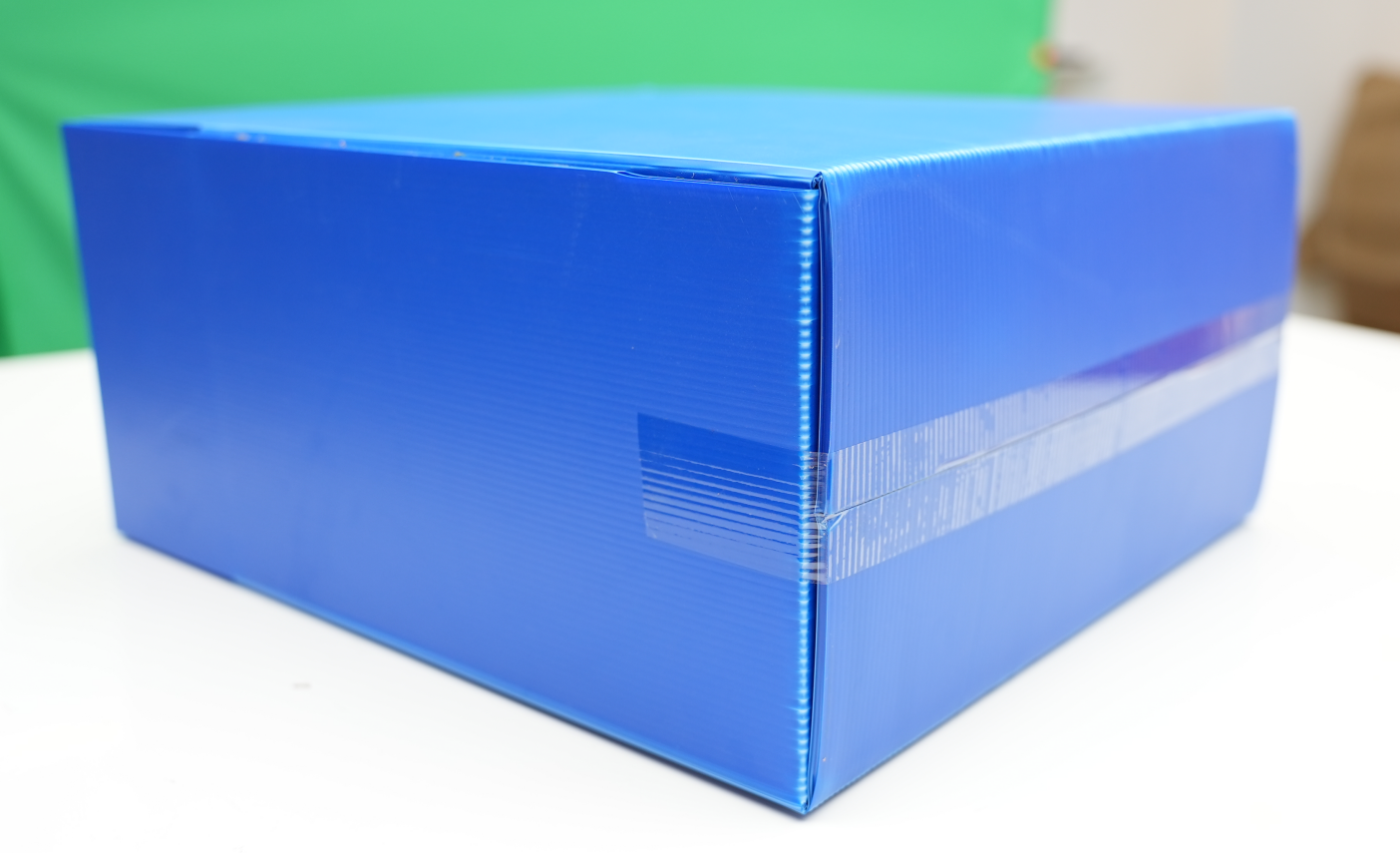
Getting the right plastic box starts with understanding the specific demands of your task. Instead of settling for off-the-shelf dimensions that almost fit, customization lets you dial in the exact length, width, and depth—right down to the millimeter. You can choose from a range of durable plastics like polypropylene or polycarbonate, each offering different levels of impact resistance and clarity. Additions like dividers, foam inserts, or stacking ridges turn a simple container into a precisely engineered tool that keeps your items secure and organized, no matter how rough the handling gets.
Different jobs call for different features, and that’s where tailored design truly shines. For electronics, you might need anti-static coatings and snug compartments to prevent jostling. In medical or lab settings, easy-to-clean surfaces and tamper-evident closures become priorities. Outdoor gear benefits from UV-resistant resins and watertight seals, while retail packaging leans toward crystal-clear walls and custom-color latches that match a brand’s identity. The trick is to map the box’s traits—strength, transparency, chemical resistance—directly onto the challenges it will face, rather than forcing your product to adapt to a generic container.
A well-executed custom box does more than just hold things; it streamlines your workflow and can even elevate how your brand is perceived. When components fit without wasted space, you reduce packaging material and shipping costs. Consistent, easy-open closures cut down assembly time on the line. And when your logo is molded right into the lid, that box becomes a silent salesperson every time it’s opened. By thinking of the box as an integral part of your product or process, you end up with something that feels less like packaging and more like a purpose-built asset.
Simple Ways to Reuse and Extend Box Life
Giving boxes a longer life starts with simple habits. Instead of tossing them after a single use, reinforce the edges with a bit of packing tape to prevent wear and tear. Those sturdy cardboard boxes can become under-bed storage for off-season clothes, or you can cut them down to create custom drawer organizers that keep odds and ends from turning into clutter.
Think beyond basic storage: line the inside with a plastic bag to transform a box into a temporary planter for starting seeds, or wrap it in decorative paper for a rustic gift hamper. If you don't have a use for them at home, local schools and community centers often welcome clean boxes for craft projects. A little creativity turns a plain box into a resource that avoids the bin for months.
Plastic Boxes vs. Cardboard: Why Longevity Wins
When it comes to storage, the material you choose can make or break your organization system. Plastic boxes and cardboard containers each have their place, but if you're looking for something that will stand the test of time, plastic consistently comes out ahead.
Cardboard might seem convenient at first—lightweight and foldable—but it deteriorates quickly. A single spill or a damp basement can turn your trusty box into a soggy mess, warping its shape and weakening its structure. Over time, even in dry conditions, the fibers break down, edges fray, and it starts to look unkempt.
Plastic, on the other hand, resists moisture, pests, and physical wear. A good plastic tote can last for decades without degrading. It's a one-time purchase that doesn't need replacing, and its sturdiness protects whatever you store inside. That longevity not only saves money in the long run but also reduces the hassle of constantly swapping out damaged containers.
Industries That Rely on Corrugated Plastic Packaging
Corrugated plastic packaging has become a quiet workhorse across several industries that demand durability without the weight. In automotive manufacturing, for instance, these lightweight sheets are used to create returnable bins and dividers that protect sensitive parts during transit between factories. They resist oils and chemicals, hold up under repeated use, and can be easily cleaned—qualities that simply aren't possible with cardboard alternatives.
The agricultural sector relies on this material in surprising ways too. From sturdy trays for seedling transport to protective layers inside crates for fresh produce, corrugated plastic handles moisture and rough handling without breaking down. Electronics manufacturers also prefer it for anti-static packaging solutions, where traditional materials might generate harmful charges. Even the logistics industry has taken notice, using it for long-lasting, weather-resistant pallet tops and layer pads that survive countless trips through the supply chain.
Eco-Friendly Packaging Without Sacrificing Strength
The notion that going green means compromising on durability has been thoroughly debunked by modern material science. Innovations in molded fiber, mushroom-based composites, and high-tensile bioplastics now deliver impact resistance and load-bearing capacity on par with traditional plastics and foams. These materials are engineered from the molecular level up, using cross-linked plant fibers and biodegradable binding agents that create a resilient structure. The result is packaging that can withstand rough handling during transit, protect delicate electronics, and even support heavy industrial components—all while decomposing harmlessly in home compost.
What often goes unnoticed is how design plays a pivotal role in maintaining strength without excess material. By employing ribbed patterns, curved geometries, and origami-inspired folding techniques, manufacturers minimize raw material use while maximizing rigidity. A well-considered structural design not only reduces environmental impact but also enhances protective performance. This approach moves beyond simply swapping materials; it rethinks the entire packaging system to use less and do more, proving that true sustainability isn't about sacrifice—it's about smarter engineering.
Businesses adopting these solutions are finding that eco-friendly packaging can actually improve brand perception while meeting rigorous performance standards. From molded pulp inserts that cradle products as securely as foam, to starch-based cushions that absorb shock without leaving toxic residues, the options keep expanding. The key is selecting materials and designs tailored to the specific product's weight, fragility, and shipping environment. Done right, the package arrives intact, the customer is impressed, and the planet breathes a little easier—a triple win that makes the old trade-off obsolete.
FAQ
Unlike cardboard, corrugated plastic boxes are made from twin-wall polypropylene sheets that give them high impact resistance, water resistance, and a much longer lifespan. They don’t crush or tear easily and can be reused dozens of times, making them a smarter investment for repeated shipping or storage.
They far outperform cardboard in durability, moisture protection, and reusability. You’ll avoid tape, void fill, and constant box replacement costs. They are also lighter than wood and more hygienic than cardboard in food or medical applications.
Yes. Their twin-wall structure can support significant weight, often up to 70 pounds or more depending on size and design. They are widely used for automotive parts, machinery components, and industrial goods because they resist buckling under load.
Absolutely. Manufacturers can cut them to size, add die-cut handles, print logos directly, incorporate Velcro or snap closures, and design folding or collapsible versions. Custom colors and ESD (anti-static) options are also available for sensitive electronics.
They shine in manufacturing, automotive, produce packaging, medical device transport, and indoor agriculture. Reusable retail delivery containers, moving bins, and closed-loop shipping systems also rely on their consistent performance trip after trip.
Simply wipe them down with mild soap and water, or use diluted bleach solutions if sanitation is critical. Because they are non-porous and waterproof, they dry quickly and don’t harbor bacteria. Storing them stacked in a dry area prevents any warping.
They are 100% recyclable in many communities and, more importantly, they dramatically reduce packaging waste through reusability. One box can replace dozens of single-use cardboard ones, cutting down on resource consumption and disposal fees over its lifetime.
Check for consistent sheet quality, clean edge finishing, UV stabilization for outdoor use, and the ability to provide testing data. Ask about minimum order quantities, lead times, and whether they offer design assistance. A reliable supplier will also provide samples before a full production run.
Conclusion
Corrugated plastic boxes are built to take a beating, and their strength comes from the polypropylene material paired with a twin-wall structure that absorbs shock like a cushion. Moisture, chemicals, and rough handling barely leave a mark, making them a go-to when standard cardboard folds under pressure. The real magic, though, is how adaptable they become. You can tweak the thickness, cut them to precise sizes, pick colors that match your brand, and add feeds like foam inserts or built-in dividers. That level of customization means a single style can protect delicate electronics just as effectively as it hauls heavy machine parts. Reusing them is straightforward—wipe off the dirt, swap out a label, and they’re good for another round, often holding up through years of daily knocks and scrapes without losing integrity.
Stacking plastic against corrugated cardboard quickly shows why longevity wins. Cardboard crumbles after a few trips, especially when dampness or repeated impact enters the picture, while these plastic boxes keep their shape and protective capability trip after trip. Industries like automotive supply, fresh produce distribution, and manufacturing logistics lean hard on that reliability because a failed box can mean damaged goods and lost time. The eco-friendly angle isn’t just a talking point—it’s a practical result of reuse. Instead of piling up single-use waste, teams cycle the same containers hundreds of times, and when they finally do wear out, many are fully recyclable. It’s packaging that handles real-world abuse, fits the job precisely, and quietly reduces environmental strain without ever making you choose between toughness and responsibility.
Contact Us
Contact Person: Mr. Ge Man
Email: [email protected]
Tel/WhatsApp: 8613710506492
Website: https://www.shitengzx.com