Best Dredger Company Delivers Top-Tier Dredging Solutions Worldwide
2026-05-22
When it comes to reshaping waterways or reclaiming land, not all dredging companies are created equal. Behind every major port expansion or coastal restoration project, there's a silent powerhouse that gets the job done without the fanfare. Meet YaKai Dredger—a name that rarely makes the headlines but consistently delivers the deep-digging, high-efficiency solutions that global infrastructure demands. In this article, we’ll explore what truly sets them apart in a sea of competitors.
Dredging Projects That Reshape Coastlines
Coastal dredging is far more than a routine maintenance task—it's a deliberate act of geographical transformation. When sediment is scooped from the seabed and deposited elsewhere, it doesn't just deepen a channel; it can birth new landforms, fortify vanishing shores, or inadvertently trigger erosion miles away. The scale of these operations is staggering, with some projects shifting millions of cubic meters of material, effectively redrawing the boundary between land and sea in ways that echo natural processes but unfold over mere months.
One of the most visible examples sits along the coast of Dubai, where ambitious dredging birthed the Palm Jumeirah and the World Islands. By sucking up sand from the Persian Gulf floor and spraying it into precise shapes, engineers created entire archipelagos that didn't exist a generation ago. This isn't just vanity engineering—coastal communities in the Netherlands have long leaned on dredged sand to reinforce dune systems and widen beaches, turning the sea's own sediment into a shield against rising tides. Yet the practice also raises uncomfortable questions: when you sculpt a coastline, where does the material come from, and what habitats vanish beneath the new footprint?
Beyond the headline-grabbing megaprojects, quieter dredging efforts continually reshape less glamorous shorelines. In mangrove-lined estuaries, port expansions carve out deeper navigation channels, altering tidal flows and sediment budgets in ways that can starve adjacent mudflats or disrupt centuries-old fishing grounds. Sometimes the reshaping is intentional—a carefully planned nourishment scheme to protect a resort beach—and sometimes it's a slow-motion consequence, like an inlet that shoals faster after a harbor wall deflects currents. In either case, the machinery of dredging acts as a geological force, compressing timeframes that nature would stretch over millennia into the lifespan of a single contract.
Advanced Vessel Fleet Tackles Complex Marine Challenges
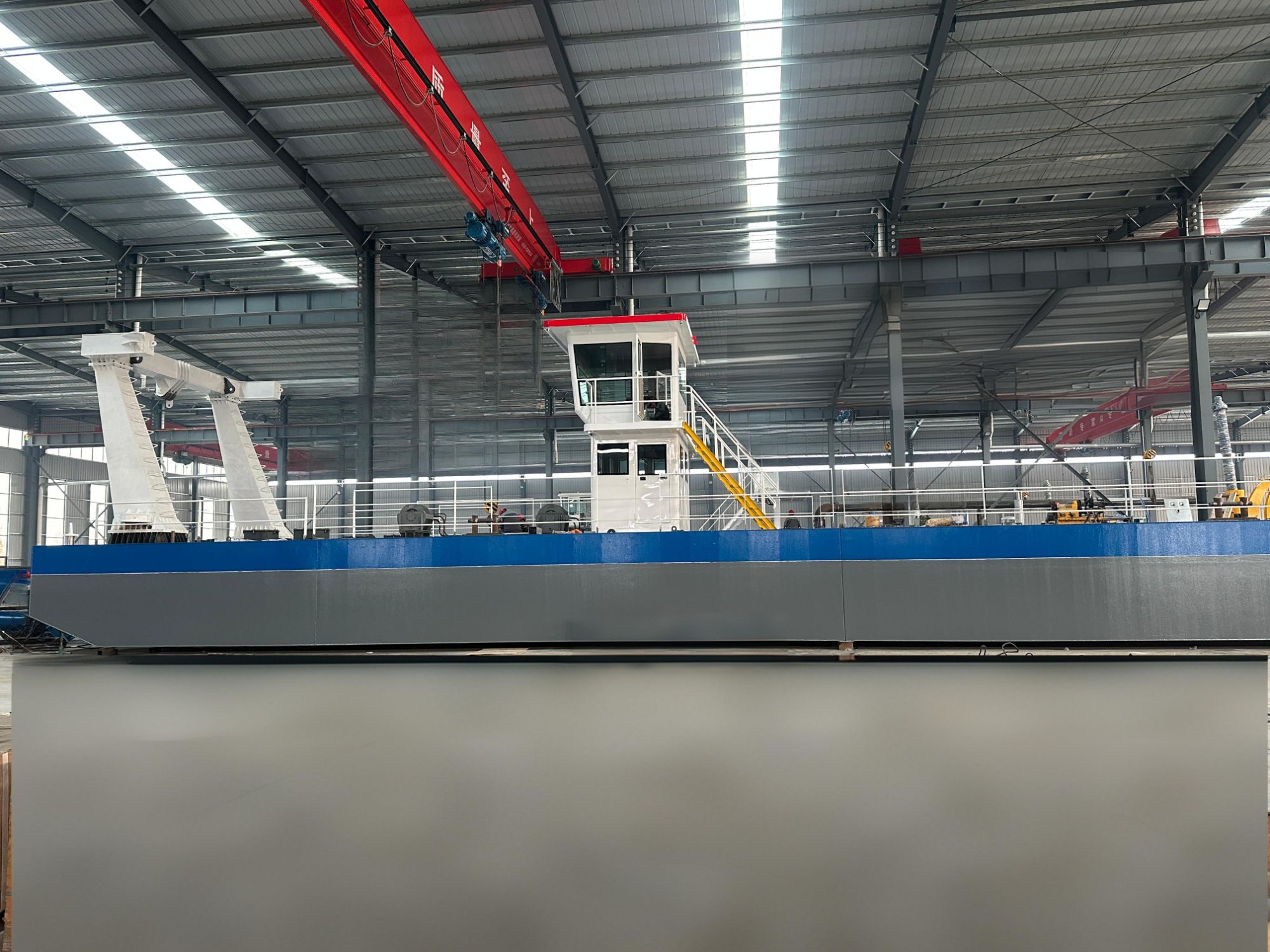
Operating in some of the world’s most unforgiving waters demands more than just sturdy hulls and powerful engines. Our fleet integrates dynamic positioning systems that hold station within centimeters, even when currents surge past three knots. Deck layouts are reconfigured on the fly, swapping modular mission packages—everything from deep-sea drilling risers to cable-lay carousels—without returning to port. This agility means we’re often the first call for operators facing tight weather windows in frontier basins.
Beneath the surface, the real differentiation happens. Custom-built work-class ROVs are deployed through moonpools, keeping them shielded from surface chop during critical subsea interventions. These machines don’t just inspect; they manipulate, torque, and connect hardware at depths where sunlight never reaches. On a recent methane leak mitigation project, our vessels coordinated three simultaneous ROV dives, coring hydrate mounds and installing containment structures while surface crews managed gas flaring—all without a single safety incident.
The human element is what ultimately turns capability into results. Bridge teams train on high-fidelity simulators that replicate the exact seakeeping quirks of each hull, right down to the feedback in the joystick controls. Maintenance crews carry out hot-swaps of thruster components at sea, backed by a digital twin that flags anomalies before they trigger alarms. It’s this blend of seasoned instinct and data-driven precision that lets us tackle ventures others deem too risky—and bring them in on time, even when the North Atlantic throws a winter gale into the schedule.
Environmental Care Meets Precision Excavation
Precision excavation is reshaping how we interact with the earth. By fusing advanced guidance systems with a deep respect for natural habitats, operators can now carve through soil and rock with surgical accuracy. This isn't just about moving dirt—it's about leaving the surrounding landscape largely untouched, preserving root systems, water tables, and wildlife corridors that traditional methods would have disrupted.
At the heart of this shift are intelligent machines that respond to real-time data. Sensors and GPS mapping allow excavators to work within tight tolerances, avoiding unnecessary overdigging and minimizing soil displacement. Rather than clearing huge swaths of land, crews can target only the precise area needed underground for utilities, foundations, or remediation—substantially cutting back on erosion and sediment runoff.
The result feels less like construction and more like environmental stewardship. Projects finish with less waste, fewer truck trips, and a quieter presence in sensitive zones. Communities see a reduced footprint, and ecologists report that nearby habitats remain functional. What was once a brutish task now becomes a carefully orchestrated dance between human ambition and ecological limits.
From Port Expansion to Land Reclamation
Throughout history, coastal cities have often pursued port expansion to accommodate growing maritime trade, larger vessels, and increased cargo volumes. As natural harbors became insufficient, engineers turned to land reclamation—transforming shallow waters, wetlands, and coastal margins into solid ground. This shift was not merely a matter of convenience; it represented a fundamental change in how societies interact with the coastline, blurring the line between land and sea.
The process typically involves dredging seabed materials or importing fill to create new land for docks, storage yards, and industrial zones. Major ports like Singapore, Rotterdam, and Hong Kong have all dramatically reshaped their coastlines through sustained reclamation efforts. While such projects unlock economic growth and operational efficiency, they also raise enduring questions about environmental impact, sedimentation patterns, and the long-term resilience of artificially constructed shores.
Beyond the physical transformation, the move from port expansion to land reclamation reflects a deeper ambition: the desire to defy natural constraints and assert control over maritime frontiers. Today, the practice is often embedded in broader urban development strategies, where reclaimed land not only serves logistical needs but also hosts commercial, residential, and recreational facilities. The legacy of these interventions is a coastal landscape that is continually reimagined and rebuilt.
Collaborative Approach to Waterway Maintenance
Keeping waterways navigable and healthy demands more than isolated efforts—it thrives on collective responsibility. When public agencies, local industries, and community groups pool their knowledge and resources, routine dredging, bank stabilization, and pollution control become far more effective. This shared ownership turns maintenance from a series of isolated projects into an ongoing, coordinated strategy.
Real-world success often comes from informal alliances where a port authority provides equipment, while environmental nonprofits contribute ecological expertise, and nearby businesses fund long-term monitoring. Regular joint inspections and data-sharing ensure that small issues—like a fallen tree or a shoaling bend—are addressed before they escalate into costly closures. Trust built through such active cooperation encourages everyone to report concerns early rather than waiting for a crisis.
Beyond day-to-day upkeep, collaborative planning allows for adaptive management. Each season brings different challenges, from seasonal flooding to shifts in sediment flow. Stakeholder meetings that include boat operators, conservationists, and local residents generate practical solutions that no single organization could devise alone. In this model, transparency and regular communication become the real drivers, turning a waterway into a shared asset rather than a fragmented liability.
Global Operations With Local Expertise
Having a presence in multiple countries doesn’t automatically mean you're serving those markets well. Real global operations hinge on local teams who grasp the nuances—from regulatory shifts to cultural norms—that outsiders often miss. It’s about blending the consistency of an international network with the precision of someone who knows the backstreets of a single city.
When challenges crop up, time zones and language barriers can slow things to a crawl unless there’s someone on the ground who can act immediately. Our approach puts that local know-how front and centre, so decisions aren’t made in a distant headquarters but by people who live and breathe the region. This keeps operations nimble and responses sharp, whether it’s adapting supply chains or navigating customer expectations.
What ties it all together is a shared framework that ensures quality and values travel across borders without becoming rigid. Think of it as a federation of experts, each owning their patch, backed by resources that let them scale up when needed. That’s the difference between simply being global and being genuinely capable wherever you land.
FAQ
Their teams have tackled some of the most challenging waterways on the planet, from busy ports to remote island chains. They combine decades of engineering expertise with a genuine commitment to problem-solving on site.
They deploy self-contained fleets and crews that can mobilize rapidly, adapting to local regulations and conditions without losing momentum. Every project has a dedicated logistics team that coordinates with port authorities and local stakeholders from day one.
Their fleet includes high-efficiency cutter suction dredgers, trailing suction hopper dredgers, and specialized backhoe units. Real-time monitoring and AI-assisted precision controls help them maintain accuracy even in complex underwater terrains.
Past clients often point to their transparent communication and willingness to go the extra mile when unexpected issues arise. They treat each waterway project as a long-term partnership, not a one-off contract.
Absolutely. Their environmental specialists design sediment management plans that minimize turbidity and protect marine life. They’ve successfully completed projects near coral reefs and mangrove forests with strict monitoring protocols.
From the initial survey to the final bathymetric check, clients receive detailed progress reports and have direct access to the on-site project manager. There’s no rigid script — adjustments are made collaboratively based on real-time conditions.
They have regional hubs with equipment depots and trained local engineers, ensuring the same attention to detail whether it’s a harbor deepening in Southeast Asia or a beach nourishment in the Caribbean.
Conclusion
The company has built a reputation around the idea that large-scale dredging can reshape coastlines while still respecting delicate marine ecosystems. Their projects range from restoring eroded shorelines to carving out entirely new land masses in the sea, often in environments where strong currents, unstable seabeds, or protected habitats demand more than brute force. A modern fleet of specialized vessels handles these jobs, equipped with dynamic positioning, advanced survey tools, and highly efficient cutter suction and trailing suction hopper dredges. This machinery allows operators to excavate with centimeter-level accuracy, placing material exactly where it is needed for port expansions or reclamation works, and nowhere it shouldn't be. Environmental protocols are woven into daily operations — real-time turbidity monitoring, bubble curtains to contain sediment plumes, and timing windows that avoid fish spawning seasons. Where possible, the team repurposes dredged material for wetland creation or beach nourishment, turning a necessary industrial activity into a form of active environmental stewardship. The result is not just deeper channels or bigger terminals, but a deliberate reshaping of the water's edge that accounts for long-term ecological health.
Waterway maintenance demands a different approach — it is less about single dramatic interventions and more about sustained, collaborative effort. The firm partners with port authorities, local governments, and community stakeholders to design maintenance dredging schedules that keep shipping lanes open with minimal disruption to daily traffic and fisheries. Their global footprint means they bring hard-won knowledge from similar projects worldwide, yet each operation leans heavily on local expertise: hiring area pilots, sourcing materials nearby, and adapting techniques to regional tidal patterns and sediment types. Whether restoring a harbor in Southeast Asia or deepening an access channel in Northern Europe, the engineering team starts by listening to those who live and work on the water. This blend of international reach and on-the-ground insight allows them to solve complex marine challenges without applying a one-size-fits-all template. The collaboration extends to environmental regulators, often co-developing monitoring plans that exceed legal requirements. Precision excavation remains the cornerstone — advanced sonar and modeling software guide the dredge heads along precise paths, removing only what is necessary and leaving surrounding structures and habitats intact. In an industry where the bottom line is often measured in cubic meters moved, this company measures success by how well the finished project merges operational efficiency with genuine care for the environment and the communities that rely on these waterways.
Contact Us
Contact Person: Nancy
Email: [email protected]
Tel/WhatsApp: (+86) 13869631558
Website: https://www.yakaidredger.com/