

Best OEM Suppliers for Solar Ground Mounting Systems: A Comprehensive Guide
2026-07-18
As solar energy continues to reshape the global power landscape, the demand for robust and efficient ground mounting solutions has never been higher. Whether you're developing a utility-scale solar farm or a commercial installation, choosing the right OEM supplier can make or break your project. In this comprehensive guide, we spotlight the top OEM partners in the solar ground mounting industry, highlighting their unique strengths and what sets them apart. Among these leaders, Egret Solar stands out for its innovative engineering and unwavering commitment to quality. Read on to discover which suppliers are driving the future of solar infrastructure and how to select the perfect partner for your next venture.
What truly defines a dependable OEM partner for solar ground mounts
A truly reliable OEM partner for solar ground mounts goes far beyond simply manufacturing parts to a drawing. It’s about a deep, collaborative engagement where the partner invests time in understanding your project’s specific geotechnical conditions, local wind and snow loads, and even the nuances of the installation crew’s workflow. They don’t just ask for a bill of materials; they proactively question the assumptions behind it, often suggesting subtle design optimizations that can save thousands in steel or slash installation time. This kind of partnership feels less like a transactional supplier relationship and more like having an extension of your own engineering team, one that is constantly scanning for ways to improve structural integrity while keeping a sharp eye on the bottom line.
Equally critical is a transparent and robust approach to material sourcing and quality control. A dependable partner doesn’t hide behind vague certifications; they open their supply chain for full traceability, from the mill certs of the raw steel to the salt-spray test results of the coating. You should be able to visit their factory and witness their in-line hot-dip galvanizing process or their robotic welding cells in action, understanding exactly how they control consistency at scale. This transparency breeds the confidence that every post, every rail, and every fastener will perform uniformly across hundreds of megawatts of deployment, even in the harshest environments, without the nagging worry of corrosive cut edges or embrittled clamps.
Ultimately, what sets a partner apart is their capacity for logistically and financially de-risking your project. This means they have proven logistics corridors from their factory floor to remote project sites, managing irregular, high-volume shipments without demurrage headaches. It means they offer flexible financial terms that align with your project cash flow, rather than rigid prepayment schemes that strain your capital. And when the inevitable field anomaly arises—a missing bolt box or a bent beam—their response isn’t a blame-shifting claims process but a swift, no-drama replacement shipment, often from a nearby buffer stock. That operational agility, combined with a genuine willingness to stand behind their product long after the last invoice is paid, is the quiet backbone of a partnership that can truly accelerate your portfolio’s growth.
Looking beyond cost when assessing a solar mounting supplier
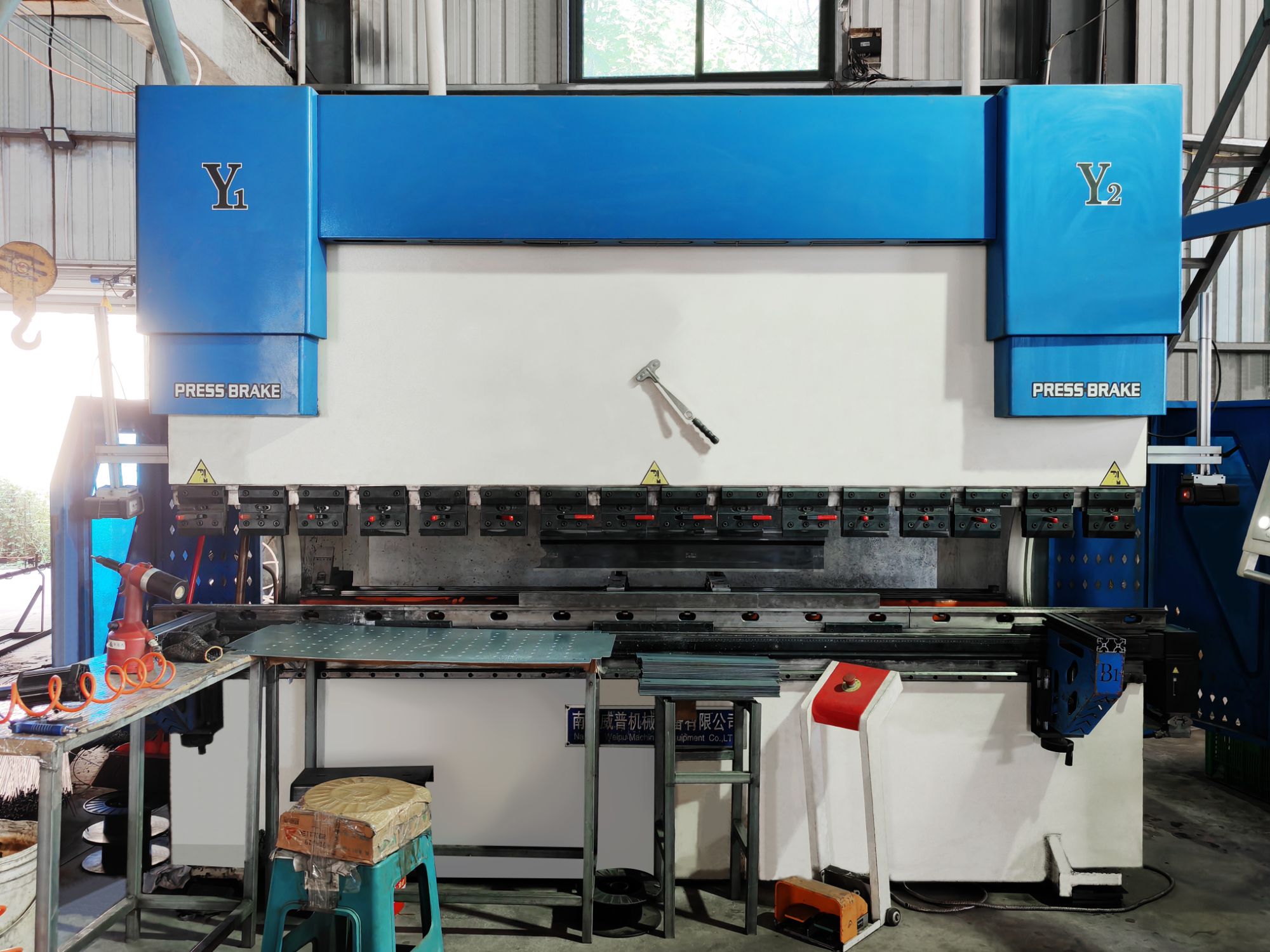
It’s easy to get pulled in by a low upfront price, but judging a solar mounting supplier on cost alone often backfires. The true economics of a racking system surface over years of exposure to the elements. Subpar aluminum alloys or thin galvanization might save a few dollars initially, yet they can corrode faster under rain, snow, or coastal salt, leading to structural worries and replacement costs that wipe out any early savings. Paying attention to material certifications and the supplier’s warranty coverage reveals far more about what you’ll actually end up spending.
Labor is another factor that quietly inflates project totals when the mounting hardware isn’t designed with the installer in mind. Systems that require dozens of loose fasteners or complex torque specifications eat up hours on the roof. In contrast, suppliers that prioritize modular designs, pre-assembled clamps, or tool-free connections drastically simplify the workflow. This doesn’t just cut labor costs—it also lowers the risk of installation errors that can compromise system performance. When assessing vendors, it pays to ask how their engineering choices translate to time on site.
Finally, a supplier’s regional expertise can make or break the long-term durability of your array. The tilt, foot spacing, and grounding methods that work in a dry, low-wind area may be a poor match for a location that sees heavy snowfall or hurricane-force gusts. A partner with a portfolio of local installations understands these nuances and can steer you toward the right product line without guesswork. Combining that practical know-how with responsive technical support means your system won’t just survive its environment—it will perform efficiently for decades.
The manufacturers quietly leading the ground mount market
Behind the flashy headlines dominated by rooftop solar innovators, a select group of manufacturers has been steadily building the backbone of utility-scale solar. These companies rarely court media attention, yet their products anchor gigawatts of ground mount projects across continents.
What sets them apart isn't marketing budgets but engineering depth—developing specialized racking solutions that withstand extreme weather, odd terrains, and seismic zones. They collaborate directly with EPCs, refining designs for faster installation and lower labor costs, which quietly reshapes project economics.
Their dominance stems from a decade of iterative problem-solving, not disruptive technology. By mastering supply chain logistics and local compliance nuances, they’ve made themselves indispensable to developers who prioritize reliability over brand glamour.
Standard or custom: which path aligns with your project goals
Choosing the standard route can feel safe. You tap into well-established norms, battle-tested frameworks, and community-backed solutions that promise reliability and speed. For teams craving predictable timelines and lower risk, this path often delivers immediate momentum. Yet, comfort can quietly breed mediocrity — your product may end up looking and feeling like everything else already out there.
Custom approaches, on the other hand, invite a different kind of energy. They demand more upfront creativity, deeper technical exploration, and a willingness to break away from the herd. When you build something tailor-made, you open the door to unique user experiences that can become genuine differentiators. The trade-off is real: longer development cycles, a steeper problem-solving curve, and the weight of maintaining something no one else fully understands.
The sweet spot rarely sits at either extreme. Smart teams blend the two — using standard components where they buy time and reduce friction, then pouring custom soul into the interactions that define their product’s character. Ask not which path is better, but which parts of your vision deserve the splash of originality and which are fine riding the rails of convention.
Innovations reshaping solar ground mounting technology
The solar industry is witnessing a quiet revolution in ground mounting systems, with innovations that boost efficiency and slash installation costs. Single-axis trackers, once a niche option, now dominate utility-scale projects by following the sun’s path to squeeze out 15-20% more energy. Pairing these with bifacial modules amplifies gains, as reflected light from the ground is captured by the rear side—an elegant synergy that’s reshaping system design.
Material breakthroughs are equally transformative. Galvanized steel remains popular, but newer alloys and composite materials resist corrosion in harsh soils without the need for concrete foundations. Helical piles and ground screws, driven directly into the earth, minimize site disturbance and speed up deployment. These advances reduce not only the carbon footprint of installation but also long-term maintenance headaches.
On the construction front, automation is making its mark. Robotic pile drivers and GPS-guided assembly rigs can install hundreds of foundations per day with pinpoint accuracy, slashing labour costs in an era of workforce shortages. Drone surveys and AI-powered layout optimization further refine placement, ensuring every inch of land is used wisely. Together, these technologies aren’t just improving mounting—they’re redefining the economics of solar farms.
Building a lasting, quality-driven OEM collaboration
True OEM collaboration goes beyond transactional manufacturing. It thrives when both parties commit to shared standards, transparent communication, and a mutual stake in the final product's quality. This means moving away from the typical buyer-supplier dynamic and toward a partnership where feedback flows freely, specifications are co-developed, and accountability is embedded at every stage—from raw material sourcing to final packaging.
A quality-driven approach also demands rigorous, yet flexible, processes. Instead of rigid checklists, we favor adaptive quality protocols that evolve with real-world insights. This could involve jointly defining critical-to-quality criteria, conducting regular on-site problem-solving sessions, and investing in long-term capability building on the factory floor. When both sides view quality not as a hurdle to clear but as a continuous improvement journey, the collaboration yields products that consistently exceed expectations and stands the test of time.
FAQ
Solar ground mounting systems are structures that secure solar panels directly to the ground, using foundations like concrete piers, driven piles, or ballasted bases. Unlike rooftop setups, they aren’t limited by roof orientation, shading, or structural capacity, so you can position panels at the ideal tilt and direction for maximum sun exposure. This flexibility often leads to higher energy yields and easier maintenance access. However, they do require more land and may involve more complex permitting.
OEM suppliers specialize in designing and manufacturing the mounting hardware itself, which means you can get fully customized solutions engineered for your project’s specific wind, snow, and soil conditions. Working directly with an OEM often eliminates middleman markups and ensures tighter quality control since they oversee production from raw material to final finish. Plus, you can have your own branding on the components, which is a plus for installers building a repeatable product line.
Start by examining their engineering capability—do they have in-house structural design and the ability to produce site-specific calculations? Check their manufacturing plant’s certifications like ISO 9001, and ask for references from past large-scale installations. Pay attention to the corrosion protection system (hot-dip galvanizing is standard, but some offer superior coatings like Zn-Al-Mg for aggressive soils). Finally, assess their lead times and whether they stock common components to avoid project delays.
Broadly, they fall into three categories: fixed-tilt, single-axis trackers, and dual-axis trackers. Fixed-tilt systems hold panels at a set angle, are simplest and most durable, with options like driven pile foundations or concrete ballasted bases for difficult soil. Single-axis trackers follow the sun from east to west, boosting output by 15–25%, while dual-axis trackers adjust both horizontally and vertically for maximum gain, though they’re costlier and require more maintenance. The best choice depends on your budget, land contour, and energy goals.
Soil stability and composition dictate foundation design—soft or expansive soils may require deeper piles or concrete footings, while rocky ground might rule out driven piles altogether and push you toward ballasted systems. Sloping land can be accommodated with adjustable racking that keeps panels level, but steep grades increase engineering complexity and cost. A proper geotechnical report upfront is essential to avoid structural failures or unnecessary over-engineering.
A well-engineered system lasts 25 years or more with minimal maintenance, ensuring your panel investment isn’t compromised by structural issues. Premium corrosion protection and robust connections mean fewer failures during extreme weather, reducing repair costs and downtime. You also get better compatibility with future module upgrades since the structure can often be designed with extra load capacity. Ultimately, it’s a one-time capital expense that locks in long-term reliability and peace of mind.
Conclusion
Identifying the best OEM suppliers for solar ground mounting systems goes far beyond a simple checklist of features or price points. True dependability in a partner is rooted in their ability to consistently deliver structural integrity, material traceability, and adaptive engineering under real field conditions — not just in controlled testing environments. The most capable manufacturers invest heavily in in-house R&D and employ metallurgists, geotechnical engineers, and installation veterans who understand the nuanced interaction between the racking, the terrain, and the module technology. They don’t just sell products; they treat each project as a long-term performance commitment, offering proprietary pre-stressing techniques, anti-corrosion packages validated by decades of outdoor exposure, and foundation optimization that can reduce steel tonnage without sacrificing safety. Such suppliers are seldom the loudest in the market, but they build their reputation through repeat business and word-of-mouth from EPCs who verify performance across multiple seasons and geographies.
A strategic evaluation must move past upfront cost comparisons and instead scrutinize total lifecycle value. This means factoring in logistical agility — whether a supplier can manufacture closer to the project site to slash freight and lead times — along with the flexibility to provide either standardized, pre-certified designs or fully bespoke solutions for sites with extreme slopes, corrosive soils, or agrivoltaic constraints. The most forward-leaning OEMs are now embedding innovation directly into their processes, such as automated production lines that guarantee consistent weld quality, digital twin simulations for early-stage design validation, and modular components that reduce assembly time and tooling on site. When you align with a partner that offers this blend of technical depth, customization capacity, and transparent communication, the collaboration naturally evolves into a quality-driven relationship where each installation becomes a reference for the next, making “lowest cost” a temporary metric while performance and trust compound over time.
Contact Us
Contact Person: Leite
Email: [email protected]
Tel/WhatsApp: (+86)13666072898
Website: https://www.egretsolars.com/