
Best Pallet Jack: Top Models for Smooth Material Handling
2026-08-03
If you’ve ever wrestled with a stubborn pallet jack in a busy warehouse, you know that smooth material handling is non-negotiable. The right piece of equipment can slash downtime and keep operations humming—and that’s exactly where HANGCHA enters the picture. In this post, we’re breaking down the best pallet jack models on the market, spotlighting HANGCHA’s standout designs that blend durability with everyday practicality. Whether you’re upgrading an old fleet or buying your first jack, these insights will help you make a move that your back—and your bottom line—will thank you for.
What Actually Makes a Pallet Jack Worth Your Money
The price tag rarely tells the real story — I’ve seen cheaper units wear out their wheels in months, while a mid-range pallet jack with polyurethane treads kept rolling smoothly for years. If you’re spending more, it better show up in the daily grind: how the handle responds when your hands are tired, whether the hydraulic pump still feels tight after a thousand lifts, and if the frame twists silently under load instead of groaning like an old floorboard.
Overbuying is just as easy as skimping. Fancy features like digital scales or stainless-steel construction might sound impressive, but if you’re only moving standard pallets on smooth concrete, they’re dead weight adding cost and maintenance. The sweet spot is matching the jack’s real strengths to the chaos of your shift — the narrow aisles, the cold storage room, the pallet sizes that never quite fit the standard forks.
Worth also hides in the details nobody lists on a spec sheet. How easy is it to find replacement bushings when the pivot points start to wallow? Does the design let you grease the load rollers without flipping the whole unit upside down? These are the things that turn a tool into a reliable partner, saving your back and your budget long after the initial shine has worn off.
Hand Pallet Trucks vs. Electric Runners: A Reality Check
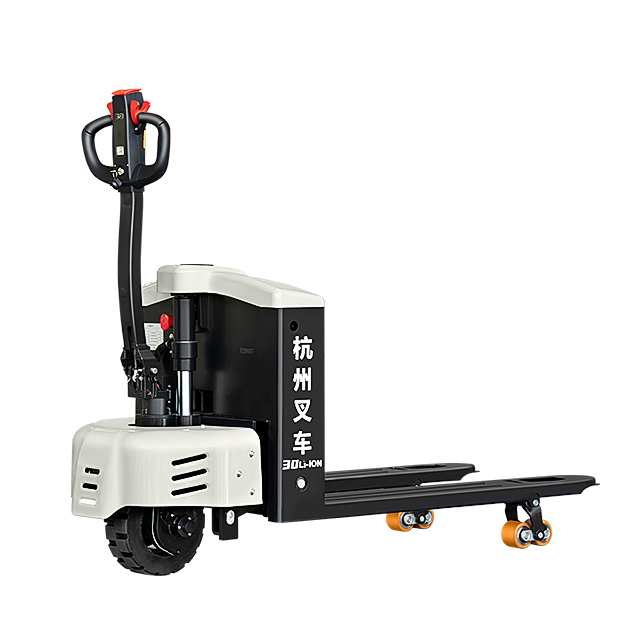
The debate between hand pallet trucks and electric runners often gets distilled into a simple cost-versus-convenience argument, but that misses the gritty, operational truths that floor managers deal with daily. A hand pallet jack, for all its simplicity, demands constant physical effort—pumping the handle, steering a loaded skid, and braking on uneven surfaces. It’s not just about muscle fatigue; repeated use in a busy warehouse can lead to micro-injuries that sap productivity long before anyone calls in sick. Electric runners, on the other hand, glide with a button press, but they introduce their own headaches: battery management, tighter turning radii in cramped aisles, and a price tag that makes every scrape against a rack feel like a financial wound.
Where things get interesting is when you look beyond the spec sheets and into the rhythm of a real shift. Hand trucks thrive in chaos—on a loading dock where multiple trucks need a quick turnaround, the manual option never runs out of charge and costs pennies to repair. Yet, in a temperature-controlled facility pulling double-deep pallets all night, an electric runner transforms a back-breaking routine into something almost effortless. The reality check hits when you realize that neither is a universal hero; a hybrid fleet often makes the most sense, but only if you can train staff to treat the electric units as precision tools rather than bumper cars. Without that training investment, the promised efficiency gains evaporate into repair bills and idle equipment.
A deeper look reveals that the real deciding factor is the material flow pattern, not the hardware itself. Warehouses with long horizontal runs and consistent load sizes gradually tip the scale toward electric runners, provided the battery infrastructure can keep up. But for operations where loads vary wildly in weight and pallet quality, the tactile feedback of a hand truck—feeling the resistance, nudging a reluctant pallet into place—becomes an irreplaceable asset. Smart operators aren't choosing one over the other; they’re mapping out zones and tasks, assigning muscle where it matters and electrons where they earn their keep.
Models Built to Haul Serious Weight Day After Day
These machines are engineered for relentless daily operation under the heaviest loads. Reinforced frames, high-torque powertrains, and advanced cooling systems work together to ensure that no matter the cargo, performance remains steady from sunrise to sunset. You’ll notice the difference in the way every component—from the suspension to the transmission—is calibrated to handle not just weight, but repetitive strain hour after hour.
This kind of endurance doesn’t happen by accident. The design philosophy centers on using thick-gauge steel in critical stress points and deliberately overbuilding drive axles, so the vehicle actually thrives on tough assignments. It’s why operators report minimal downtime even after years of punishing routes—the guts of the machine simply shrug off the pounding that would sideline lesser models.
Beyond raw strength, the focus on ergonomic cabs and intuitive controls means the driver isn’t fighting the vehicle when fatigue sets in. Better visibility, smarter placement of gauges, and seats that actually reduce vibration turn a twelve-hour shift into a manageable task rather than an endurance test. You get a hauler that works as hard as you do, day in and day out.
Smooth Moves: The Jacks That Glide When Others Grind
Ever wrestled with a jack that jerks and stutters, turning a simple lift into a nerve-wracking ordeal? It’s a familiar frustration—the clunky mechanism, the alarming creaks, the dreaded moment when the load seems to pause mid-air, threatening to slip. But it doesn’t have to be that way. There’s a different breed of jack out there, designed with a singular focus: making the upward journey as seamless as possible.
The secret lies in precision engineering and quality materials that work together to eliminate the friction points where lesser jacks bind and complain. These jacks use finely machined rollers and smooth-action hydraulic systems, so every pump of the handle translates into steady, controlled motion. You’ll notice it the first time you use one—no vibrations, no hesitation, just a quiet glide that inspires confidence. It’s the kind of tool that makes you forget you’re even using a tool, because it simply does its job without drama.
Whether you’re a professional mechanic who lifts vehicles day in and day out, or a weekend warrior tackling a project in your garage, the difference is immediate and game-changing. You can position your load with pinpoint accuracy, knowing the jack won’t suddenly drop or drift. It’s about more than just smooth operation; it’s about creating a workspace where you feel in control and safe. So when others grind and groan, yours just glides—and that’s a move worth making.
Surprising Maintenance Tricks That Extend Lifespan
Many people overlook the power of flipping their mattress every season. Most assume a simple rotation is enough, but actually changing the orientation from head-to-toe and top-to-bottom evens out wear from body weight and prevents deep indentations. Another rarely mentioned tactic is letting your mattress breather once a month by stripping off all linens and propping it up against a wall for a few hours. This reduces trapped moisture and starves dust mites of the humidity they need to thrive, directly preserving the foam and fabric integrity.
Instead of relying on chemical sprays, vacuum your mattress using the upholstery attachment on a low setting every six weeks. This pulls out skin flakes and microscopic debris that abrade fibers from the inside. For an added edge, try placing a thin layer of cork under each leg of your bed frame. The natural material absorbs minor vibrations from walking or closing doors that gradually loosen internal stitching and glue bonds. Such small details make a difference years later when the mattress still feels supportive.
Few guides mention the benefit of regularly tightening the bolts and screws of your bed frame. A wobbly foundation forces the mattress to flex in unintended ways, speeding up sagging in edge zones. Pair this with a practice of airing out the room during cold, dry mornings—opening windows for ten minutes dramatically lowers indoor humidity and refreshes the materials without any dehumidifier. These overlooked habits combine to push a mattress well beyond its expected lifetime.
Where Affordability Meets Real-World Reliability
You shouldn’t have to choose between a price that fits your budget and gear that holds up when it matters. We build products that perform consistently in everyday conditions—rain, rough roads, and long commutes—without the inflated cost you’d expect for that level of dependability.
Our approach strips away the unnecessary, focusing on core functionality that works day in and day out. Instead of chasing flashy gimmicks, we refine proven designs and test them in real-world environments. The result is equipment that feels reliable from the first use, not something you have to baby along.
Whether it’s a daily essential or a tool you depend on for work, you’ll notice how seamlessly it blends into your routine. No constant adjustments, no sudden failures—just steady performance that respects both your wallet and your trust.
FAQ
A pallet jack, often called a pallet truck, is a simple piece of equipment designed to lift and move pallets across short distances. It’s a staple in warehouses because it allows a single operator to transport heavy loads without straining, boosting efficiency and reducing injury risks. You’ll find manual ones that rely on a pump-action handle, and powered versions that let you move multiple pallets without breaking a sweat.
If you’re after seamless operation, the Toyota 8HBW23 electric walkie and the Crown WP 3000 series are popular. They offer precise throttle control and cushioned ride qualities that prevent jerky movements. The Raymond 8210 is another solid pick – its ergonomic handle and responsive braking make maneuvering in tight spaces feel almost effortless.
Think about your daily workload and the distances you cover. Manual jacks are cheap, maintenance-light, and work fine for occasional use or small warehouses. If your team moves loads constantly across a large facility, an electric model pays off quickly with less fatigue and higher throughput. Also consider floor conditions – powered jacks handle ramps and uneven surfaces much better.
Regular grease on the pivot points and wheels prevents squeaks and stiffness. Check the hydraulic fluid level in manual units every few months; low fluid causes erratic lifting. For electrics, keep the battery charged and terminals clean. Inspect wheels for debris and wear – a quick wipe-down after use goes a long way in preventing buildup that causes drag.
Absolutely. Manual models like the Vestil PMPS-2748 or the Global Industrial standard pallet jack give you reliable performance without a hefty price tag. They load up to 5,500 lbs and have polyurethane wheels that won’t mark floors. If you need electric on a budget, the Big Joe WPT-45 is a compact walkie that often gets recommended for light to medium duty.
Look for models with larger drive wheels and good ground clearance—these soak up bumps better. Dual polyurethane load rollers add stability. A reinforced frame and sealed hydraulics protect against dust and moisture. Some electric jacks have traction control that adjusts wheel speed on inclines, which helps maintain smooth handling on rough concrete or asphalt.
Brands like Hyster and Yale have built a reputation for heavy-duty builds that last decades with basic care. Crown’s designs focus on operator comfort and longevity in high-cycle operations. For lighter jobs, Presto and Bishamon offer solid engineering without the premium cost. Toyota’s industrial line is also a safe bet if you want something that rarely needs major repairs.
Yes, some low-profile or short-length jacks are designed exactly for this. The Presto Power Stak is an electric straddle stacker that works in aisles under 8 feet. The Bishamon BSM-55 has an ultra-compact chassis that can turn within its own length. Going electric here also means you don’t need to pump the handle back and forth, which is a real benefit when every inch counts.
Conclusion
Finding a pallet jack that truly earns its keep boils down to how well it balances practical design with everyday toughness. Too many buyers fixate on the lowest price tag, only to discover that weak welds and flimsy wheels turn a bargain into a headache. What actually makes a pallet jack worth your money is its ability to glide under loads without constant wrestling—look for models where the pump action feels fluid and the entry rollers don't chew up pallets. When comparing hand pallet trucks and electric runners, it's not about one being universally better but about matching the tool to your workflow. Hand trucks shine in tight spaces and light runs where maneuverability matters more than speed, while electric runners cut fatigue and boost throughput in larger facilities. The real winners are the jacks that can haul serious weight day after day, with reinforced forks and sealed bearings that laugh off warehouse grit.
The difference between a jack that glides and one that grinds often comes down to attention to detail—maintenance tricks that many overlook. Simple habits like greasing pivot points weekly and checking hydraulic fluid can double a unit's lifespan, and surprising tricks like cleaning load rollers with a wire brush prevent the creep of drag that silently kills efficiency. Beyond the hardware, the sweet spot is where affordability meets real-world reliability: the models that don't demand premium prices yet deliver consistent performance without sudden failures. These workhorses might not have flashy branding but earn their place on docks and in distribution centers through quiet competence. Ultimately, the top jacks for smooth material handling are those that let your team move goods without fighting their equipment—they become invisible tools in the best possible way.
Contact Us
Contact Person: Liuxue
Email: [email protected]
Tel/WhatsApp: +86-19084200370
Website: https://www.hf-ec.com/