

Ceramic Fiber Gaskets Explained: Best Factory Solutions for Superior Performance
2025-12-03
In the demanding world of industrial applications, where performance and durability are non-negotiable, few materials stand out like ceramic fiber gaskets. These specialized components are designed to withstand extreme temperatures, harsh chemicals, and mechanical stress, making them essential for industries ranging from petrochemical to power generation. But with so many options available, how do you ensure you're choosing a solution that truly delivers superior performance without compromising on reliability? At Kaxite, we've dedicated years to refining our approach, developing innovative factory solutions that push the boundaries of what ceramic fiber gaskets can achieve. In this blog, we'll explore the intricacies of these gaskets, uncover the best practices for selection and installation, and reveal how partnering with a trusted expert can transform your operations. Get ready to discover the secrets behind maximizing efficiency and extending equipment lifespan—because in high-stakes environments, settling for anything less simply isn't an option.
What Are Ceramic Fiber Gaskets and How Do They Work?
Ceramic fiber gaskets are specialized sealing components made from inorganic materials, primarily alumina-silica fibers, which are processed into high-temperature-resistant sheets. Unlike traditional gaskets that rely on rubber or metal, these gaskets excel in environments where heat exposure is extreme, often exceeding 1000°C (1800°F). Their composition gives them a unique flexibility and resilience, allowing them to maintain integrity under thermal cycling and mechanical stress. This makes them ideal for applications in industries like aerospace, metallurgy, and power generation, where sealing against hot gases or fluids is critical.
The working mechanism of ceramic fiber gaskets hinges on their ability to compress and conform to surfaces when installed between flanges or joints. Upon compression, the fibrous structure interlocks, creating a tight seal that prevents leaks of gases, liquids, or particulates. What sets them apart is their low thermal conductivity, which minimizes heat transfer to adjacent components, protecting equipment from damage. Additionally, their chemical inertness ensures they don't degrade when exposed to corrosive substances, enhancing durability in harsh operational settings.
In practice, these gaskets are often custom-cut to fit specific equipment, and their performance can be enhanced with coatings or laminates for added protection against abrasion or moisture. Engineers value them for their reliability in preventing downtime and safety hazards, such as in furnace doors or exhaust systems. By effectively sealing high-temperature zones, ceramic fiber gaskets contribute to energy efficiency and operational stability, making them a go-to solution for demanding industrial challenges that standard gaskets can't handle.
Key Advantages of Ceramic Fiber in High-Temperature Gasket Applications
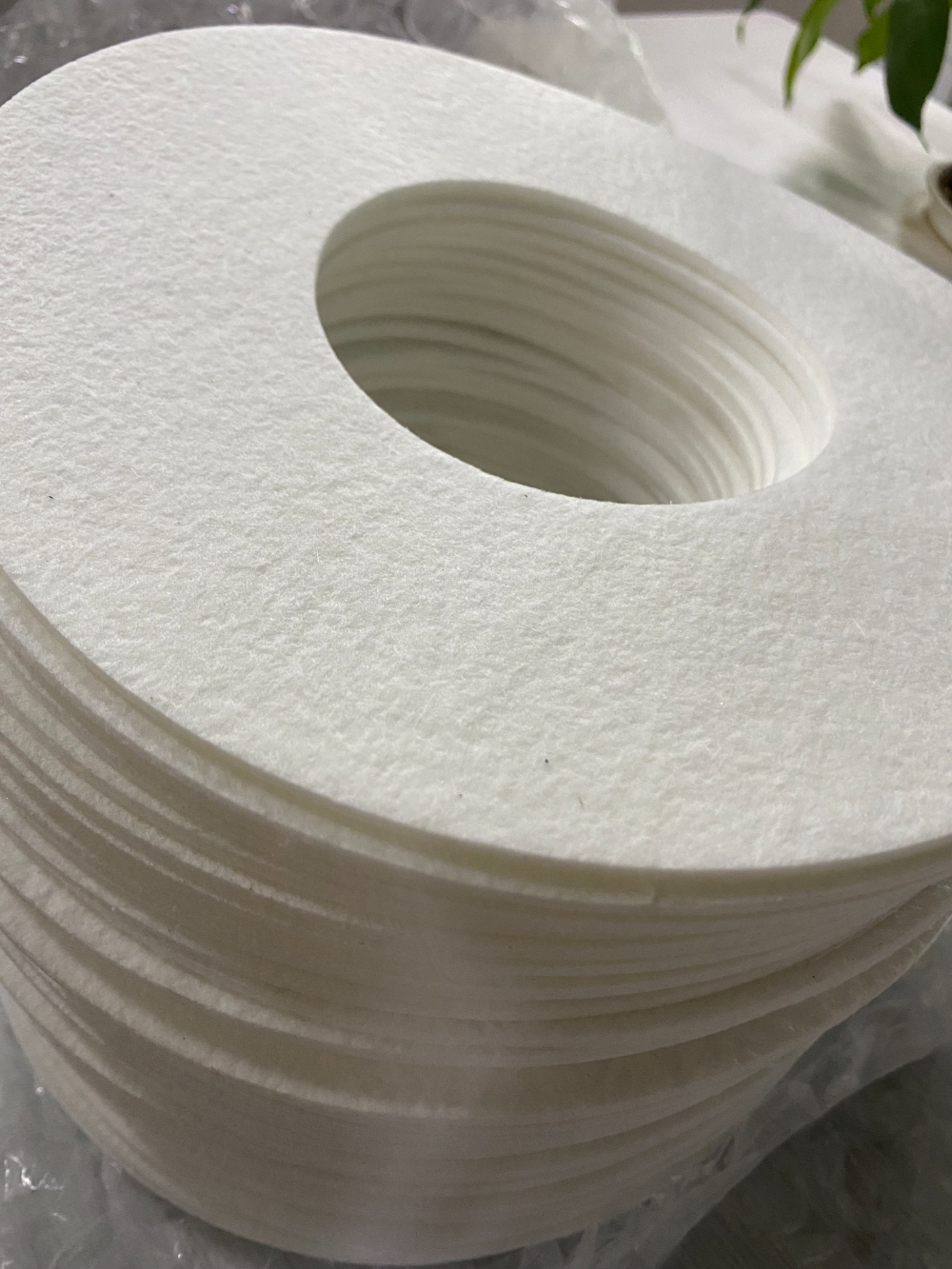
Ceramic fiber gaskets really excel in extreme heat situations because they're built to handle temperatures that would make other materials buckle. Unlike some options that might start degrading or losing their seal once things get hot, these fibers stay stable and reliable even when the heat is cranked up. That's a huge plus in industries like steelmaking or power generation, where consistent performance under fire is absolutely critical.
Another standout feature is how lightweight and flexible these gaskets are, which makes them a lot easier to work with than heavier, more rigid alternatives. You can cut and shape them to fit tricky spots without a hassle, and they still compress nicely to form a tight seal. Plus, they don't put as much stress on the equipment, so things tend to last longer and run smoother.
On top of all that, ceramic fiber gaskets are tough cookies when it comes to resisting chemicals and wear. They don't corrode easily, and they hold up well against thermal cycling—meaning they won't crack or fail when temperatures swing back and forth. That durability translates to less downtime for maintenance and replacements, which is always a win for keeping operations running smoothly and efficiently.
Factory Solutions for Customizing Ceramic Fiber Gaskets to Your Needs
When it comes to industrial sealing, one size rarely fits all. That's where factory solutions step in, offering tailored ceramic fiber gaskets designed specifically for your unique operational demands. These gaskets, known for their high-temperature resilience and chemical resistance, can be customized in terms of thickness, density, and composition. For instance, if you're dealing with extreme heat fluctuations in a furnace, a denser variant might be recommended to prevent leakage and maintain integrity, ensuring your equipment runs smoothly without frequent downtime.
Beyond basic modifications, advanced factory options include integrating additional layers or coatings to enhance performance. Imagine a gasket that not only withstands 2000°F but also incorporates a sealant layer for extra protection against corrosive environments. This level of customization allows for precision in applications ranging from aerospace to power generation, where even minor improvements in seal quality can lead to significant gains in efficiency and safety, setting your solution apart from generic off-the-shelf products.
Collaborating directly with manufacturers enables you to leverage their expertise in material science and engineering. By providing detailed specifications or challenges from your facility, you can co-develop gaskets that precisely match your needs, whether it's reducing thermal loss in a kiln or ensuring compliance with stringent industry standards. This partnership approach not only delivers superior products but also fosters innovation, making your sealing solutions more robust and cost-effective in the long run.
Installation Tips and Best Practices for Long-Lasting Performance
Getting the most out of your investment starts with a proper setup. Take the time to read through the manual thoroughly before you begin—rushing this step can lead to misalignments or missed details that affect stability down the line. Make sure you have all the necessary tools and recommended materials on hand; using substitutes might seem convenient now, but they could compromise performance in the long run. A clean, level workspace is key to avoiding accidental damage during assembly, so clear any clutter and double-check measurements before securing components.
To ensure durability, pay close attention to fastening techniques and torque specifications. Over-tightening bolts can strain materials and cause cracks, while under-tightening might lead to wobbles or loosening over time. Consider environmental factors, too: if installing outdoors, use weather-resistant coatings or sealants to protect against moisture and UV exposure. Regular checks during the initial phases—like verifying alignments and testing moving parts—can catch issues early, preventing wear that shortens lifespan. Don’t skip on lubrication where advised; it reduces friction and keeps things running smoothly for years.
Building in some future-proofing goes a long way. Leave accessible spaces for maintenance, so you can easily inspect and service components without a full teardown later. Document your installation with notes or photos, which helps pinpoint changes if performance dips unexpectedly. Finally, give the system a gentle break-in period, avoiding heavy loads until everything settles. This cautious approach minimizes stress and maximizes longevity, letting you enjoy reliable operation without constant tweaks.
Comparing Ceramic Fiber Gaskets to Other Materials: Why Choose Them?
Ceramic fiber gaskets stand out in high-temperature applications due to their exceptional thermal resistance, often outperforming traditional materials like rubber or PVC. Unlike these alternatives that can degrade or become brittle under intense heat, ceramic fibers maintain their integrity up to 2300°F, making them a reliable choice for industries such as aerospace and metal processing where safety and durability are paramount.
In terms of chemical and corrosion resistance, ceramic fiber gaskets offer a distinct advantage over many organic gaskets. While materials like PTFE might handle certain chemicals well, they can fail under extreme temperatures or aggressive media. Ceramic fibers, on the other hand, resist acids, alkalis, and solvents without compromising their structure, ensuring long-term performance in harsh environments without frequent replacements.
Beyond just thermal and chemical properties, ceramic fiber gaskets provide excellent sealing and compression recovery under fluctuating conditions. Compared to asbestos-based gaskets, which pose health risks, or graphite gaskets that can oxidize, ceramic options deliver superior safety and environmental friendliness. This makes them an increasingly preferred solution for modern engineering needs, balancing cost-effectiveness with minimal maintenance.
Real-World Applications and Success Stories in Industrial Settings
Imagine a bustling automotive assembly line where robotic arms work seamlessly alongside human operators. At Toyota's plant in Kentucky, advanced robotics integrated with AI vision systems have reduced assembly defects by 15% over the past two years, while enhancing worker safety through predictive maintenance alerts. These systems don't just follow pre-programmed instructions; they adapt in real-time to variations in component placement, learning from each cycle to boost efficiency without constant manual recalibration.
In the energy sector, Shell's offshore drilling operations have seen a remarkable turnaround thanks to digital twin technology. By creating virtual replicas of their rigs, engineers simulate countless scenarios—from equipment failures to weather disruptions—before they occur in reality. This proactive approach helped avoid a potential downtime of six weeks at one North Sea facility, saving millions in lost production. The success story isn't just about cost savings; it's about transforming how teams collaborate across continents, using shared data to make faster, more informed decisions that keep operations running smoothly under pressure.
Beyond manufacturing and energy, agriculture is reaping the benefits too. John Deere's precision farming tools, equipped with IoT sensors and machine learning, enable farmers to monitor soil moisture and crop health from their smartphones. In Iowa, a family-owned farm increased its corn yield by 12% last season by leveraging these insights to optimize irrigation and fertilizer use, all while reducing water consumption by 20%. This isn't just a tech showcase; it's a testament to how industrial innovations can drive sustainability, making old practices smarter and more resilient for future generations.
FAQ
Ceramic fiber gaskets are made from high-temperature-resistant materials like alumina-silica fibers, offering superior thermal stability compared to traditional options such as rubber or graphite, which can degrade under extreme heat.
They excel in high-temperature settings due to their ability to withstand temperatures up to 2300°F (1260°C) without losing integrity, making them ideal for furnaces, kilns, and exhaust systems where other materials fail.
Important factors include the specific temperature range, compression properties, chemical resistance to process environments, and the gasket's density and thickness to ensure a proper seal under operational stresses.
By providing reliable thermal insulation, they reduce heat loss, lower energy consumption, and prevent leaks that could lead to hazardous conditions, enhancing overall plant safety and cost-effectiveness.
Yes, factories often offer customizations such as varying fiber compositions, different backing materials for added strength, and specific shapes or sizes to fit irregular equipment, tailored to meet unique operational demands.
Proper installation with even torque on bolts to avoid over-compression, regular inspections for wear or damage, and avoiding exposure to moisture or corrosive chemicals can significantly extend their service life.
Modern enhancements include refined fiber blends for better flexibility and resilience, improved binders that resist thermal shock, and manufacturing techniques that reduce dust and fiber shedding, boosting durability and ease of use.
Limitations include brittleness under mechanical stress and sensitivity to abrasive conditions; these can be mitigated by using protective coatings, selecting higher-density grades, or combining with metal inserts for added support in demanding setups.
Conclusion
Ceramic fiber gaskets represent a sophisticated sealing solution engineered for extreme industrial environments, where conventional materials would quickly degrade. These gaskets are composed of high-purity ceramic fibers, which work by creating a resilient barrier that withstands thermal cycling and mechanical stress, effectively preventing leaks in applications ranging from furnaces to exhaust systems. Their unique construction allows them to maintain integrity at temperatures exceeding 2300°F, making them indispensable in sectors like petrochemical processing, aerospace, and power generation. Beyond basic functionality, advanced factory solutions enable customization through precise die-cutting, layering, and reinforcement with metal or graphite, ensuring a perfect fit for complex gasketing needs. This tailored approach not only enhances performance but also reduces downtime by minimizing installation errors and optimizing seal longevity in harsh conditions.
In practice, ceramic fiber gaskets outperform alternatives such as rubber or asbestos by offering superior thermal insulation, chemical resistance, and durability, as highlighted in real-world success stories from steel mills and automotive manufacturing. Their advantages include reduced maintenance costs and improved safety, thanks to features like low thermal conductivity and non-combustibility. Proper installation is key to maximizing these benefits; best practices involve surface preparation and torque control to prevent over-compression. By integrating these elements, industries achieve reliable, high-performance sealing that boosts operational efficiency and supports sustainable practices, positioning ceramic fiber gaskets as a smart, forward-thinking choice for demanding applications.
Contact Us
Contact Person: Kaxite
Email: [email protected]
Tel/WhatsApp: 0086-574-87527771
Website: https://www.seal-china.com