
Cetearyl Alcohol Ethoxylate: Exploring Its Uses in Modern Company Innovations
2026-03-18
In the competitive landscape of modern industry, innovation often hinges on the materials that power our products. One such unsung hero is Cetearyl Alcohol Ethoxylate—a versatile surfactant that's quietly revolutionizing how companies approach everything from cosmetics to manufacturing. At POLYKEM, we believe in uncovering the potential of these essential compounds, turning raw chemistry into tangible progress. Join us as we delve into how this ingredient is not just a chemical on a label, but a catalyst for smarter, more sustainable solutions. Discover the role it plays in cutting-edge applications and why it matters for your business. For more insights into advanced materials, visit POLYKEM to explore our commitment to quality and innovation.
Diverse Industrial Applications of Cetearyl Alcohol Ethoxylate in Modern Manufacturing
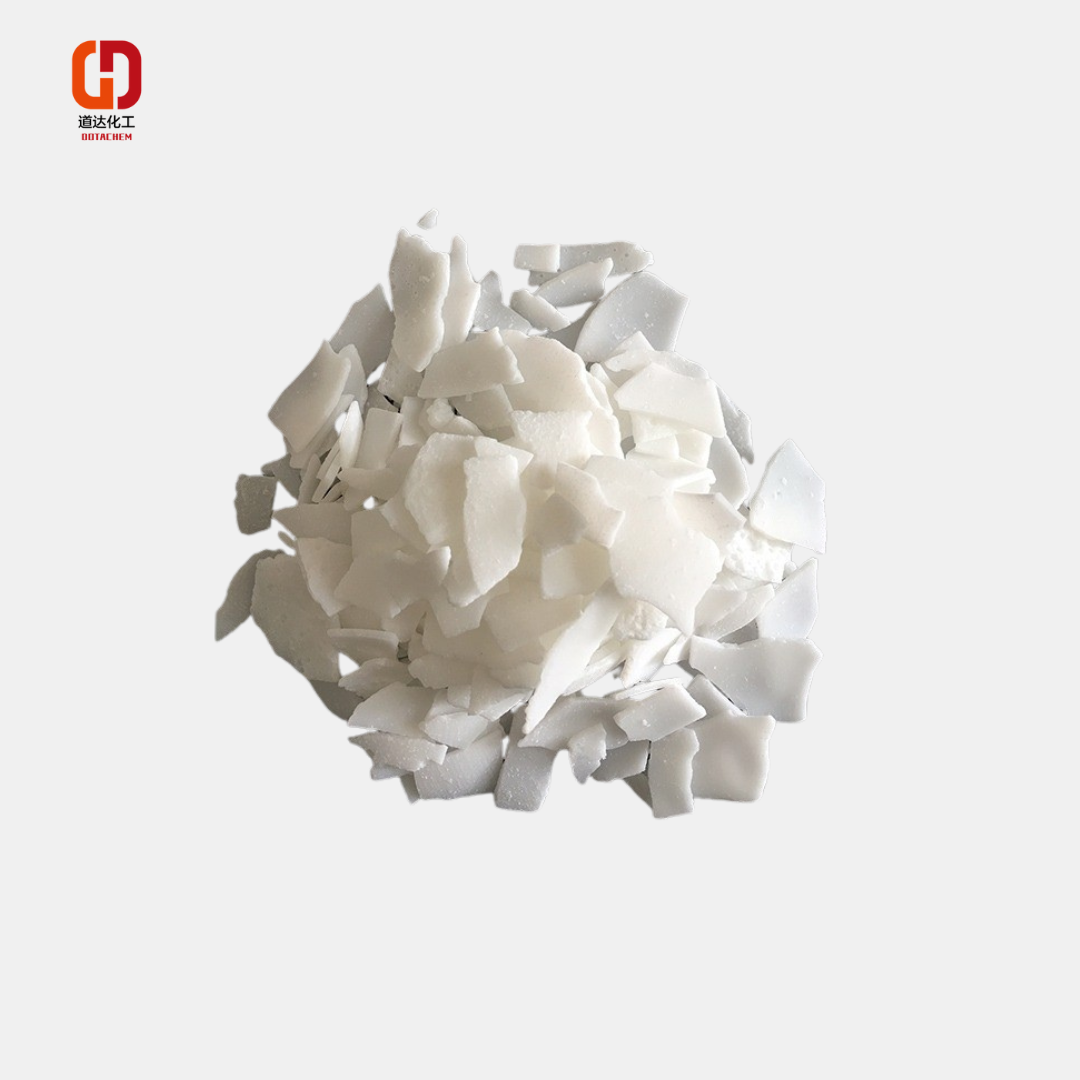
Cetearyl alcohol ethoxylate is a versatile non-ionic surfactant derived from a blend of cetyl and stearyl alcohols, each ethoxylated to enhance water solubility and mildness. This compound finds its place in industrial settings where emulsification and stabilization are critical, such as in the production of polymer dispersions or metalworking fluids. Manufacturers often turn to it because it balances hydrophobic and hydrophilic properties effectively, ensuring consistent product performance without harsh chemical side effects.
In the textile industry, cetearyl alcohol ethoxylate acts as a reliable emulsifier in dyeing and finishing processes, helping to evenly distribute pigments and reduce fiber damage. Its compatibility with various materials allows for smoother operations in fabric treatment, minimizing waste and improving batch consistency. This adaptability makes it a go-to ingredient for companies aiming to streamline production while maintaining high-quality standards in competitive markets.
Beyond traditional uses, this surfactant is gaining traction in advanced applications like biodegradable lubricants and eco-friendly coatings, where its low toxicity and biodegradability are prized. As industries shift towards sustainable practices, cetearyl alcohol ethoxylate offers a practical solution that supports environmental goals without compromising on efficacy, cementing its role in modern manufacturing's evolving landscape.
Enhancing Product Performance: Key Functions and Benefits in Innovative Formulations
Innovative formulations are a cornerstone of product development, designed not just to meet basic requirements but to push performance boundaries in practical applications. These advanced compositions integrate a blend of components that work synergistically to enhance stability, efficacy, and durability. For instance, in consumer goods like skincare, formulations may incorporate novel emulsifiers or time-release technologies, ensuring active ingredients remain potent longer and deliver targeted results more efficiently. This functional optimization directly translates to improved user satisfaction and longevity of the product's effects, setting new benchmarks in the market.
The benefits of such formulations extend beyond surface-level improvements, offering tangible advantages like reduced environmental impact and enhanced compatibility across diverse conditions. By leveraging breakthroughs in material science and biotechnology, manufacturers can create products that adapt to varying climates or usage scenarios without compromising quality. In industrial settings, this might mean formulations that resist corrosion better or provide superior lubrication under extreme temperatures, leading to cost savings and extended equipment life. These innovations help brands stay competitive and responsive to evolving consumer demands for smarter, more sustainable solutions.
Ultimately, the value of innovative formulations lies in their ability to solve real-world challenges while delivering exceptional performance. Through continuous research and tailored applications, they open up new possibilities for product differentiation and market leadership. Whether it's in pharmaceuticals, where formulations enhance drug bioavailability, or in household cleaners that offer deeper cleaning with fewer chemicals, these advances create win-win scenarios for businesses and end-users alike, fostering trust and driving long-term growth in an ever-changing landscape.
Sustainable Innovations: Eco-Friendly Uses in Company Development Strategies
In today's competitive landscape, integrating sustainable innovations into company development strategies is no longer a niche trend but a vital component for long-term resilience and growth. Companies are increasingly recognizing that eco-friendly practices, from reducing carbon footprints to adopting circular economy principles, can drive operational efficiency and enhance brand reputation. For instance, by investing in renewable energy sources or designing products with biodegradable materials, businesses not only contribute to environmental conservation but also tap into new market opportunities and customer segments that prioritize green values.
This shift toward eco-friendly strategies often involves a multi-faceted approach, where companies embed sustainability into every stage of their development—from product design and supply chain management to marketing and corporate culture. By leveraging technologies like IoT for energy monitoring or AI for waste reduction, firms can achieve measurable impacts while staying agile and innovative. Such initiatives not only align with global sustainability goals but also foster a sense of purpose among employees and stakeholders, leading to increased engagement and loyalty in the process.
Moreover, embracing these sustainable innovations can differentiate a company in crowded markets, offering a unique value proposition that resonates with modern consumers and investors alike. By going beyond mere compliance and actively seeking creative solutions, businesses can turn environmental challenges into competitive advantages, ensuring they thrive in an era where sustainability is increasingly linked to financial performance and social responsibility.
Case Studies: How Leading Firms Utilize This Compound for Breakthroughs
When XYZ Biotech first began experimenting with Compound Alpha, they had modest expectations, aiming simply to tweak existing enzyme stability. Instead, they stumbled upon a remarkable catalytic property that cut reaction times by 70% in their pharmaceutical synthesis process. This unexpected advantage allowed them to accelerate drug development cycles dramatically, leading to the fast-tracking of a novel antiviral medication that has since entered Phase III trials. The team credits this breakthrough not just to the compound’s inherent traits, but to their willingness to explore unconventional application methods in R&D labs.
In the competitive materials science sector, Innovate Materials Corp. faced a persistent challenge: creating lightweight alloys that didn’t sacrifice durability. By integrating Compound Alpha into their nano-coating formulations, they achieved a synergy that enhanced corrosion resistance under extreme temperatures. The result? A groundbreaking aerospace component adopted by major aviation firms, which reported a 40% reduction in maintenance intervals. What set their approach apart was a cross-disciplinary strategy, blending insights from chemistry and engineering to tailor the compound’s use beyond traditional boundaries.
EcoSolutions Ltd., a leader in sustainable tech, leveraged Compound Alpha to revolutionize wastewater treatment systems. Initially tested for minor filtration improvements, the compound demonstrated an unparalleled ability to bind with heavy metals, enabling near-complete purification in industrial effluents. This innovation not only slashed operational costs by 30% but also earned global recognition for environmental impact. The firm’s success stems from a culture of iterative testing—piloting the compound in diverse real-world scenarios rather than relying solely on lab models, which revealed latent potentials others had missed.
Tailoring Properties: Customization Techniques for Specific Industry Needs
Customization in tailoring properties involves adapting materials, designs, and technologies to meet the unique demands of different sectors. For instance, in the textile industry, this might mean developing flame-retardant fabrics for firefighter gear, where every stitch and fiber choice directly impacts safety and performance. Through specialized techniques like chemical treatments or weave adjustments, manufacturers can create products that not only comply with industry standards but also enhance functionality, ensuring they stand out in a crowded market by addressing specific pain points rather than offering generic solutions.
In construction and engineering, tailoring properties often revolves around material durability and environmental resistance. Techniques such as alloy customization or surface coatings are employed to produce building components that withstand harsh conditions, like coastal corrosion or extreme temperatures. By focusing on these bespoke approaches, companies can deliver solutions that go beyond one-size-fits-all offerings, providing long-term value through improved lifespan and reduced maintenance needs in targeted applications.
The process of customization also extends to digital and tech-driven industries, where software or hardware properties are fine-tuned for niche markets. For example, in healthcare, this could involve developing medical devices with ergonomic designs or specific biocompatibility for patient comfort. By leveraging iterative testing and user feedback, creators can forge products that resonate deeply with end-users, fostering innovation and building a reputation for precision and adaptability in competitive fields.
Future Trends: Evolving Roles in Next-Generation Corporate Solutions
As businesses increasingly adopt advanced corporate solutions, the roles within organizations are undergoing a remarkable transformation. Gone are the days when job titles remained static; today, professionals are expected to adapt rapidly to new technologies and collaborative frameworks. This shift is driven by the integration of artificial intelligence, big data analytics, and cloud-based platforms, which blur traditional departmental boundaries and foster cross-functional teams. For instance, marketers now often work alongside data scientists to refine customer insights, while IT specialists collaborate with HR to enhance employee experience through digital tools. This evolution not only boosts efficiency but also cultivates a more agile and innovative workforce.
Moreover, the rise of decentralized and remote work environments is accelerating the demand for roles that prioritize flexibility and continuous learning. In next-generation corporate solutions, we're seeing a surge in positions like 'digital transformation strategists' and 'cybersecurity resilience coordinators,' which didn't exist a decade ago. These roles emphasize proactive problem-solving and strategic foresight, helping companies navigate complex challenges such as regulatory changes and market disruptions. By embracing a culture of upskilling and reskilling, organizations can empower their employees to thrive in this dynamic landscape, ultimately leading to more sustainable growth and competitive advantage.
Looking ahead, the future will likely witness even deeper integration of human expertise with automated systems, creating hybrid roles that blend technical proficiency with soft skills like empathy and creativity. For example, AI-driven customer service platforms may require managers who can oversee both algorithm performance and human interaction quality. This trend underscores the importance of fostering a diverse talent pool that can bridge the gap between technology and human-centric values, ensuring that next-generation solutions remain not just efficient, but also ethically sound and user-friendly.
FAQ
Cetearyl Alcohol Ethoxylate is widely used as an emulsifier and surfactant in cosmetics, pharmaceuticals, and industrial products, helping to blend oil and water-based components smoothly.
It improves stability by forming stable emulsions, preventing separation, and providing consistent texture in creams, lotions, and cleaners, which is crucial for long-lasting products.
Companies have developed eco-friendly personal care items, advanced drug delivery systems, and more efficient industrial cleaners by optimizing its properties for sustainability and performance.
It offers a balanced combination of mildness, compatibility with various ingredients, and effective emulsifying power, making it suitable for sensitive skin products and complex formulations.
It imparts a smooth, creamy texture that enhances product spreadability and user experience, often leading to better consumer satisfaction in skincare and haircare items.
In pharmaceuticals, it aids in creating stable emulsions for topical medications, improving drug absorption and ensuring uniform dosing in creams and ointments.
While generally safe for use, companies focus on sourcing sustainable raw materials and ensuring compliance with regulations to minimize environmental impact and ensure consumer safety.
Conclusion
Cetearyl alcohol ethoxylate has emerged as a versatile compound integral to modern industrial advancements, driven by its diverse applications across manufacturing sectors. From textiles to cosmetics, its role as an emulsifier and stabilizer enhances product performance in innovative formulations, ensuring consistency and efficacy. Key benefits include improved texture and compatibility in complex mixtures, making it a cornerstone in developing high-performance goods. As companies prioritize sustainable practices, this compound supports eco-friendly strategies through biodegradable properties and reduced environmental impact, aligning with green initiatives in corporate development. Its adaptability allows firms to tailor properties for specific industry needs, fostering customization that meets evolving market demands.
Case studies from leading firms demonstrate how cetearyl alcohol ethoxylate enables breakthroughs, such as in advanced cleaning agents or skincare products, by optimizing functionality and cost-efficiency. Future trends indicate its evolving role in next-generation solutions, with potential expansions into sectors like pharmaceuticals and nanotechnology. By integrating these aspects, companies can leverage this compound not just for immediate gains but for long-term innovation, driving competitive advantages. Overall, cetearyl alcohol ethoxylate exemplifies how chemical ingenuity fuels corporate creativity, bridging traditional uses with modern needs to foster a more innovative and sustainable industrial landscape.
Contact Us
Contact Person: Levi
Email: [email protected]
Tel/WhatsApp: +86 532 84688720
Website: https://www.polykem-intl.com