

Chemical Printing and Dyeing Membrane Filter Press Solutions for Reliable Wastewater Filtration
2026-09-09
Chemical printing and dyeing wastewater has a reputation for being difficult—heavy sludge, intense color, and strict effluent limits. Conventional filters often clog or underperform, leaving operators frustrated. A membrane filter press built for these conditions can turn things around. At Sinou, we focus on reliable wastewater filtration solutions that stand up to chemical dyeing waste. Here's what to look for and how we deliver.
When Dyehouse Effluent Demands a Tougher Dewatering Approach
Dyehouse effluent rarely behaves like typical municipal sludge. The mix of reactive dyes, synthetic thickeners, surfactants, and residual salts creates a colloidal suspension that resists conventional belt presses or screw presses. Operators often notice the sludge cake stays sloppy, water keeps weeping from the pile, and polymer consumption spikes without a matching improvement in dryness.
When that happens, the problem is less about the dewatering equipment and more about the conditioning step. A tougher approach means rethinking the flocculant chemistry—shifting toward high-charge cationic polymers or dual systems that can bridge the fine particles and break the emulsified water layer. Some plants also find that pre-acidification or adding a small dose of ferric salt before the polymer helps collapse the dye-laden colloid enough to release bound water.
For persistent cases, thermal or electro-dewatering may be justified. These methods add energy to overcome the water-holding capacity of the sludge, producing a stackable cake that reduces hauling costs and keeps leachate from pooling on the pad. The decision to escalate usually comes down to the true cost of wet sludge: extra transport weight, storage space, and the risk of runoff carrying color back into the discharge. If those costs keep climbing, a tougher dewatering strategy stops being optional.
Membrane Plates That Hold Their Own Against Harsh Chemical Slurries
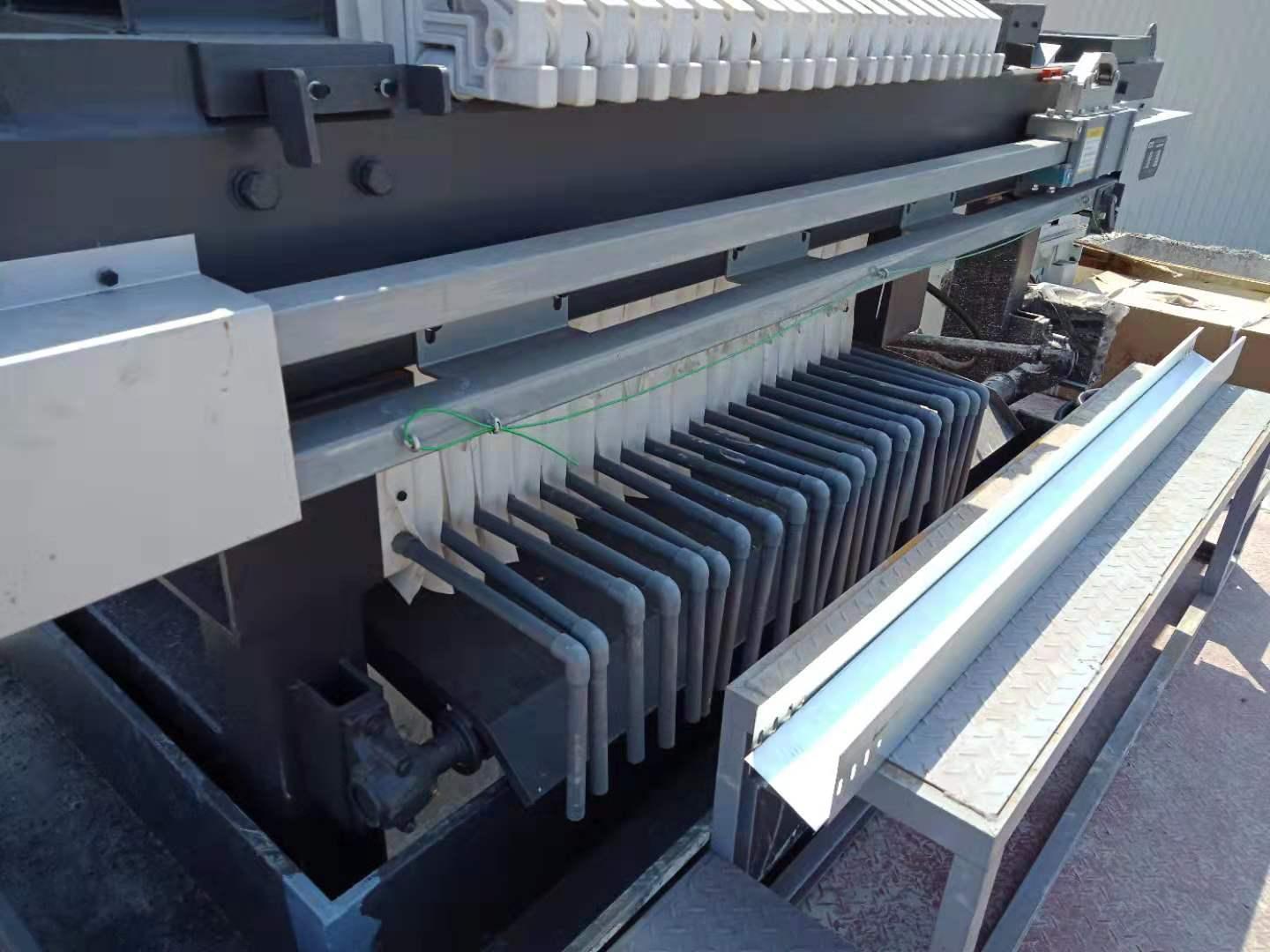
Unlike conventional filtration media that quickly degrade when exposed to abrasive slurries or corrosive reagents, these membrane plates are engineered with a chemically inert polymer matrix. The surface resists swelling, cracking, and delamination even after prolonged contact with concentrated acids, alkalis, and solvent-laden process streams. This durability stems from a cross-linked microstructure that prevents permeation of aggressive ions into the plate core, preserving both mechanical strength and pore-size integrity over thousands of operating cycles.
Field data from mining and chemical processing sites shows that standard plates often require replacement within weeks under high-solids slurry conditions, while these reinforced units maintain consistent throughput for months. The key lies in a dual-layer design: a dense outer skin that sheds particulate buildup and a resilient inner core that absorbs hydraulic shock without permanent deformation. Operators report noticeably fewer unplanned shutdowns, as the plates resist the typical failure modes of edge chipping, warping, and stress cracking that plague cheaper alternatives.
Maintenance teams also appreciate that the plates do not demand special handling or frequent chemical cleaning to stay functional. A simple rinse with process water restores surface flow characteristics, and the material does not become brittle in cold environments or soften under elevated temperatures up to 95°C. For facilities running aggressive leaching, pigment filtration, or tailings dewatering, this combination of chemical resistance and mechanical toughness translates directly into lower total cost of ownership and fewer filter press rebuilds.
From Turbid Discharge to Clear Filtrate: Inside the Press Cycle
At the start of a press cycle, the feed pump drives slurry into the sealed plate stack. The first liquid to leave the outlet ports is rarely clean—it carries fine particles that slipped past the cloth before a stable cake layer forms. Many operators route this early turbid stream back to the feed tank rather than letting it reach the clear well. That initial haze signals filter bed development, not necessarily cloth failure.
As chamber pressure climbs and solids pack against the cloth, the filtrate changes character. The stream loses its milky cast, then turns nearly water-white. For dense mineral slurries this shift can happen within minutes; for fibrous or biological feeds it often takes longer. Watching the sight glass or pulling a sample from the discharge manifold gives a real-time read on cake formation without opening the press.
Near the end of the cycle, flow drops to a trickle even while feed pressure holds steady—a sign the chambers are full and the cake has tightened. At this point, optional membrane inflation or air blowing can squeeze out residual moisture. Once the blow-down finishes, the plates separate and the cake drops. The clear filtrate collected in the second half of the cycle is what typically moves on to polishing or direct reuse.
Low-Maintenance Filtration for Around-the-Clock Printing Lines
Running a print line nonstop means every filter replacement is a planned interruption or an unplanned one. The right low-maintenance setup keeps that from becoming a nightly gamble. Self-cleaning filter housings with intermittent reverse-air pulses knock off ink mist and paper dust before they cake, while high-capacity depth media stretches the interval between manual swaps to weeks instead of shifts.
Access matters more than most spec sheets admit. Filters mounted at shoulder height with quarter-turn caps and no tools let one operator handle a changeout between jobs without calling maintenance. A clear pressure-drop gauge on the inlet side gives an at-a-glance read, so the night crew can see when the media is loading up and plan a swap during a natural break in the run.
Some lines go further by tying differential pressure sensors to the line controller. Instead of tripping an alarm at the last minute, the system ramps up a short cleaning cycle or flags a low-priority notice on the operator panel. That small bit of feedback removes the guesswork, keeps the airflow steady at the dryers, and avoids the habit of over-changing filters just to be safe.
Why Cake Dryness Matters More Than Throughput in Dye Waste
In dye waste processing, operators often fixate on pushing more batches through a filter press each shift. But a cake that leaves the press at 60% moisture instead of 40% quietly erases any throughput gain. Extra water adds weight you pay to haul, incinerate, or landfill, and it can turn a stable solid into a dripping liability.
High moisture cakes are more prone to leachate problems, especially with reactive dye residues. Landfills increasingly reject sludges above certain moisture thresholds, and transport costs rise fast when every ton includes hundreds of kilos of water. A modest drop in throughput that yields a drier cake usually cuts total disposal cost more than running more cycles of wet material.
There is also a practical handling angle. Dry cakes crumble and stack; wet cakes smear, clog chutes, and complicate compliance sampling. So when weighing process settings, dryness deserves priority over raw volume. Throughput looks good on a shift report, but cake dryness determines what actually leaves the site and what it costs to get rid of it.
Field-Proven Configurations for Reactive and Disperse Dye Streams
Reactive dye streams demand a setup that keeps hydrolysis in check while pushing fixation rates higher. In practice, a two-stage neutralization loop with controlled residence time works better than a single oversized tank. The first stage holds pH between 6.8 and 7.2 to knock out reactive vinyl sulfone groups slowly, then a second stage drops to 5.5–5.8 for safe discharge. This staged approach prevents the sharp pH swings that usually lead to recalcitrant color in the final effluent.
For disperse dye streams, the recurring headache is fine-particle carryover after biological treatment. A field-proven fix is pairing a cationic polymer flocculation step with a dissolved air flotation unit ahead of the aeration basin. The polymer dose stays low—around 2–4 mg/L active—because the goal is to destabilize the dispersed dye colloids, not to build heavy floc. This keeps the DAF sludge dry enough for direct dewatering and avoids the polymer overdose that starves the downstream biomass of carbon.
Where both streams merge, equalization needs to be volume-based instead of time-based. Plants that blend reactive and disperse wastewaters often see color rebound if the equalization basin is sized only for average daily flow. A better rule is to hold at least 18 hours of peak wet-weather volume and to alternate feed from two parallel compartments. This prevents short-circuiting of the disperse dye portion, which tends to float and accumulate at the surface if not actively mixed.
FAQ
The combination of cake compression and chemical resistance matters most. Printing and dyeing effluent usually carries high color, COD, and a mix of suspended solids. A membrane press uses an inflatable diaphragm to squeeze extra water from the cake after the initial feed cycle, so you get a much drier solids fraction. That directly reduces sludge hauling volume and makes the whole dewatering step more practical.
In a standard plate press, you rely on feed pressure alone, which leaves a lot of bound water in the cake. With a membrane press, each chamber has a flexible diaphragm that gets inflated with water or air after the feed stops. That physical squeeze pushes out additional moisture, often dropping cake moisture by 10 to 25 percentage points depending on the sludge. The cycle time also shortens because you are not waiting on gravity or low pressure to finish the job.
Polypropylene plates are the usual choice because they tolerate a wide pH range and many dyeing chemicals. For cloths, you want a tightly woven polypropylene or polyester with good release properties, especially if the sludge is sticky. Some plants go with a calendered surface to help the cake drop cleanly. If the effluent runs hot or contains solvents, you need to verify the temperature rating of both plates and cloth before selecting.
Yes, if the control package is set up correctly. Modern units use a variable frequency drive on the feed pump and pressure transmitters that automatically slow the feed as the chambers fill. That prevents sudden pressure spikes when the sludge consistency changes. You still need to check the cloth condition and membrane integrity, but the pressing sequence itself can run unattended for most of a shift.
Start with the daily sludge volume and typical solids concentration. Convert that to dry solids per day, then decide how many press cycles fit your operating schedule. A smaller press running three or four batches a day can sometimes beat a single large batch. Filter area, chamber depth, and membrane travel all affect capacity, so it is worth running a pilot test with a small plate pack before committing to full sizing.
The main tasks are inspecting the diaphragms for pinholes or fatigue, washing the cloths with low pressure water between batches, and checking hydraulic oil level and pressure. Membrane squeeze pressure should be verified monthly because a weak squeeze wastes energy and leaves wetter cake. Also watch for dye residue building up at the plate corners, as that can cause uneven sealing and leaks over time.
The reduction comes from both lower volume and lower weight. If cake moisture drops from 80 percent to 65 percent, you have roughly 40 percent less water to haul. Transportation and landfill or incineration fees usually drop by a similar amount. Exact savings depend on local disposal rates and how consistently the press is operated, but the membrane stage typically pays for itself within one to three years in a busy dyeing plant.
Many presses offer high pressure spray bars that move across the plate stack after a set number of cycles. The wash water is directed at the cloth surface to loosen dye particles and fine pigments before they become embedded. Pair that with periodic chemical cleaning using a mild acid or alkaline solution, and you can keep filtration rates steady for months instead of watching them fall off after a few weeks.
Conclusion
Dyehouse effluent from reactive and disperse printing lines rarely responds well to standard sludge handling. The combination of residual dyes, surfactants, and high alkalinity creates a slurry that clogs ordinary filter cloths and demands more aggressive dewatering. Membrane filter presses built for chemical printing and dyeing applications tackle this by using reinforced plates that withstand harsh, often acidic or caustic, slurries without warping or leaking. These units deliver consistently drier cakes, which directly cuts the cost and hassle of sludge transport and disposal. Because cake solids content—not raw throughput—drives the economics of dye waste management, prioritizing dryness pays off quickly on the floor.
Inside the press cycle, the transition from turbid, heavily colored discharge to clear filtrate happens through staged feeding and membrane squeezing. The plates are engineered for low maintenance, so around-the-clock printing lines don't lose production time to frequent plate changes or cloth washdowns. Field-proven configurations for reactive and disperse dye streams handle the particular rheology of each waste type, whether it's the high viscosity of reactive dye sludge or the fine particle load from disperse dyes. Operators get a reliable, almost hands-off filtration step that keeps effluent within discharge limits while producing a compact, stackable cake ready for cost-effective disposal.
Contact Us
Contact Person: HaiYan
Email: [email protected]
Tel/WhatsApp: +86 18957325588
Website: https://www.senyoubeton.com/