

Chemical Safety & Environmental Protection Exhibition: Leading Innovations and Sustainable Solutions for a Greener Future
2026-04-19
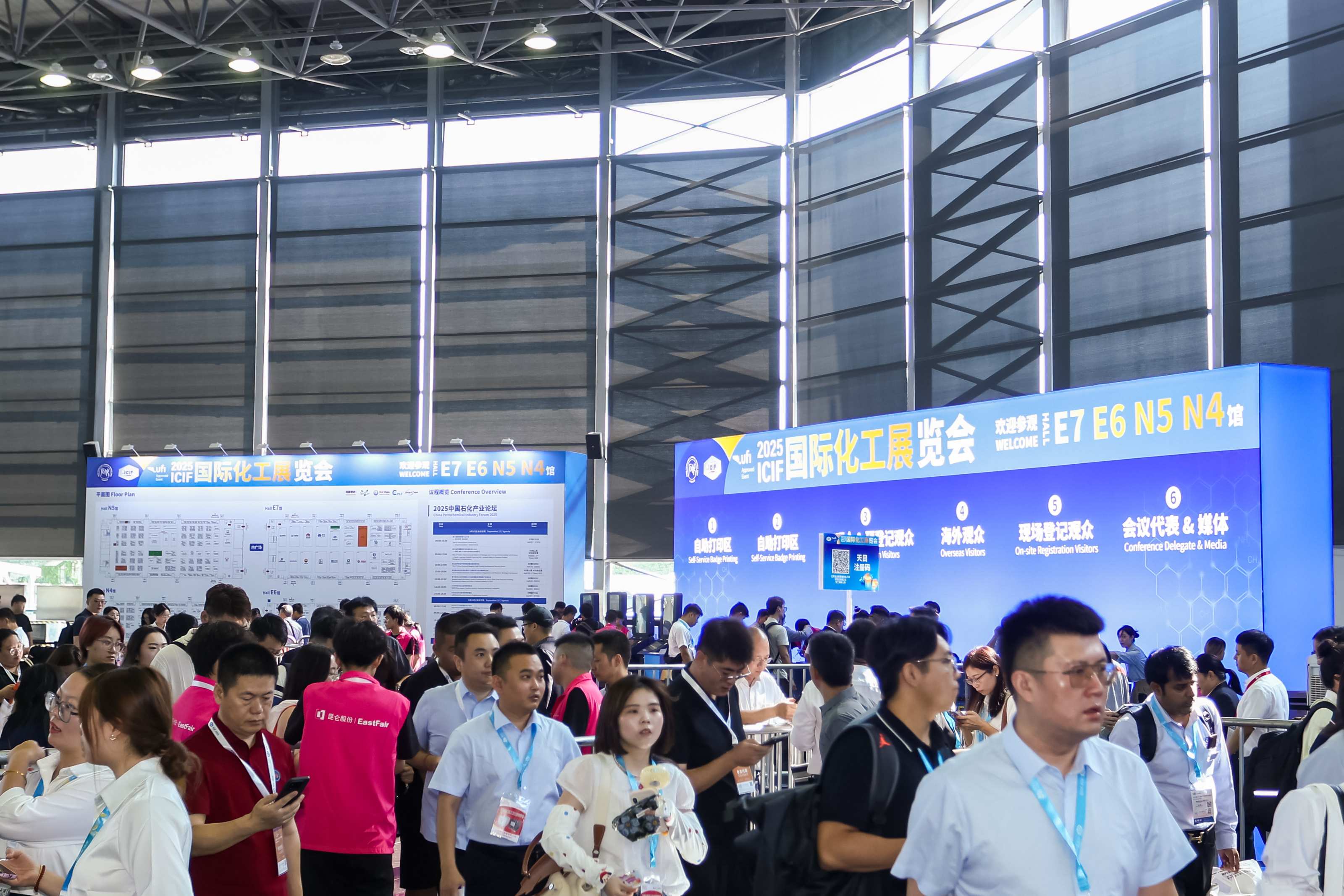
As industries worldwide grapple with the pressing challenges of chemical safety and environmental stewardship, the ICIF emerges as a beacon of innovation and collaboration. Our upcoming exhibition, 'Chemical Safety & Environmental Protection Exhibition: Leading Innovations and Sustainable Solutions for a Greener Future,' isn't just another trade show—it's a catalyst for transformative change. Imagine walking through halls buzzing with breakthrough technologies, from cutting-edge pollution control systems to revolutionary waste management solutions, all designed to safeguard our planet and its people. This event brings together thought leaders, industry pioneers, and forward-thinking professionals who are redefining what's possible in chemical safety and sustainability. Whether you're a seasoned expert or an aspiring changemaker, this is your chance to explore hands-on demonstrations, engage in thought-provoking discussions, and discover actionable strategies that bridge the gap between ambition and impact. Let's dive into a world where science meets sustainability, and every innovation brings us one step closer to a greener future.
Groundbreaking Technologies Revolutionizing Chemical Safety
Innovative technologies are transforming how industries approach chemical safety, moving beyond traditional protocols to create smarter, more responsive systems. For instance, real-time sensor arrays embedded in manufacturing equipment can detect minute chemical leaks before they escalate, triggering automated shut-offs and alerting personnel instantly. These systems leverage IoT connectivity to provide continuous monitoring across vast facilities, reducing human error and enhancing proactive safety measures. By integrating machine learning algorithms, they analyze historical data to predict potential hazards, allowing for preemptive adjustments that prevent accidents rather than merely reacting to them.
Another leap forward comes from advanced simulation software, which enables virtual testing of chemical processes in risk-free digital environments. Engineers can model reactions under extreme conditions, identifying unstable intermediates or toxic byproducts without physical trials. This not only slashes development time but also minimizes exposure to dangerous substances, fostering a culture of safety-by-design. Coupled with 3D visualization tools, these simulations help train workers on emergency procedures through immersive scenarios, building confidence and competence without real-world stakes.
Moreover, breakthroughs in material science are yielding safer alternatives to hazardous chemicals, such as bio-based solvents or non-toxic catalysts that degrade harmlessly. These innovations reduce the inherent risks in storage, handling, and disposal, aligning with sustainable practices. For example, smart packaging with embedded sensors can monitor chemical stability during transport, sending alerts if temperatures or pressures deviate from safe ranges, ensuring integrity from lab to field. Together, these technologies empower industries to uphold rigorous safety standards while driving efficiency and environmental stewardship.
Eco-Friendly Solutions for a Sustainable Tomorrow
As we navigate the challenges of climate change and resource depletion, embracing eco-friendly solutions has become crucial for building a sustainable future. From renewable energy sources like solar and wind power to innovations in waste reduction and recycling, these approaches help reduce our environmental footprint. Practical steps, such as adopting energy-efficient appliances or supporting local sustainable agriculture, empower individuals and communities to make a significant impact, fostering a greener and more resilient world.
In urban settings, green infrastructure is transforming cities by integrating nature into design. Features like green roofs, rain gardens, and permeable pavements not only enhance aesthetics but also manage stormwater and improve air quality. By prioritizing these solutions, we can create healthier living environments that mitigate urban heat islands and support biodiversity, paving the way for a more balanced coexistence with nature.
Looking ahead, technological advancements offer promising pathways for sustainability. Innovations in carbon capture, biodegradable materials, and smart grid systems are driving progress toward a cleaner economy. Through collaborative efforts across industries and governments, we can accelerate the adoption of these eco-friendly practices, ensuring a legacy of environmental stewardship for generations to come.
Innovations Driving a Safer, Greener Industrial Landscape
The transition toward a more secure and environmentally friendly industrial sector is being fueled by groundbreaking innovations that redefine operational priorities. At the forefront, technologies like the Internet of Things (IoT) and artificial intelligence (AI) are being deployed to monitor equipment health in real-time, predicting failures before they escalate into hazardous incidents. These systems not only enhance workplace safety by reducing accidents but also optimize energy consumption, cutting down on waste and lowering carbon footprints. By integrating smart sensors across facilities, companies can now detect leaks, control emissions, and ensure compliance with stringent environmental regulations more effectively than ever before.
Another pivotal development is the widespread adoption of circular economy principles, which transform how industries manage resources. Instead of following the traditional linear model of take-make-dispose, innovative processes now focus on recycling, reusing, and regenerating materials. Advanced materials science has led to the creation of biodegradable polymers and lightweight composites that reduce raw material extraction and energy use during manufacturing. This shift not only minimizes ecological impact but also fosters economic resilience by reducing dependency on finite resources, driving industries toward long-term sustainability goals.
In summary, the convergence of digital and sustainable innovations is setting a new benchmark for industrial excellence. From AI-driven safety protocols to eco-conscious material cycles, these advancements are not just incremental improvements but transformative forces. They empower businesses to operate more responsibly while maintaining competitiveness, ultimately shaping a future where industrial growth coexists harmoniously with planetary health, without compromising on safety or efficiency.
Cutting-Edge Advances in Environmental Protection
In recent years, groundbreaking innovations have reshaped how we approach environmental protection, moving beyond traditional methods to tackle global challenges with unprecedented precision. For instance, advancements in satellite monitoring now enable real-time tracking of deforestation, pollution, and climate change impacts, allowing for quicker responses and more effective policy-making. This technology, combined with AI-driven data analysis, helps predict environmental trends and optimize resource management, turning vast amounts of data into actionable insights that once seemed impossible.
Biotechnology and material science are also playing key roles, with new biodegradable materials and carbon capture techniques reducing waste and greenhouse gas emissions. Innovations like ocean cleanup systems and advanced recycling processes are directly addressing pollution at its source, offering scalable solutions for cleaner ecosystems. These developments not only mitigate environmental harm but also foster sustainable economic growth by creating green jobs and circular economies.
Moreover, community-driven efforts and smart city initiatives are integrating cutting-edge tech with local action, enhancing resilience to climate change. From urban green spaces that improve air quality to renewable energy microgrids, these advances demonstrate a holistic shift towards more adaptive and inclusive environmental stewardship, setting new benchmarks for future conservation efforts.
Pioneering Sustainable Practices for Cleaner Production
Embracing innovative sustainable practices is essential for achieving cleaner production, which not only reduces environmental impact but also enhances operational efficiency and cost savings. Companies are increasingly adopting circular economy principles, such as recycling waste into new materials or redesigning products for longer lifespans. This shift moves beyond traditional end-of-pipe solutions, fostering a holistic approach that integrates sustainability into every stage of the manufacturing process.
For instance, some forward-thinking industries are implementing advanced technologies like IoT sensors and AI-driven analytics to monitor resource consumption in real-time, allowing for precise adjustments that minimize energy and water usage. These practices not only cut down emissions and waste but also create a more resilient supply chain, helping businesses stay competitive in a market where consumers and regulations demand greater environmental responsibility. By investing in renewable energy sources and eco-friendly materials, organizations can significantly lower their carbon footprint while building a positive brand image.
Ultimately, pioneering such sustainable methods requires a cultural shift within companies, encouraging collaboration across departments and continuous improvement. Employee training and stakeholder engagement play key roles in embedding these values into daily operations, ensuring that cleaner production becomes a long-term commitment rather than a temporary trend. This proactive stance not only benefits the planet but also opens up new opportunities for innovation and growth, setting a benchmark for others in the industry to follow.
Emerging Trends in Green Chemistry and Safety Excellence
In recent years, green chemistry has evolved beyond merely reducing waste to embrace innovative approaches like solvent-free processes and bio-based catalysts, driving industries toward more sustainable practices. This shift isn't just about environmental friendliness; it's enhancing safety by minimizing hazardous substances and lowering operational risks. For instance, companies are increasingly adopting real-time monitoring tools to detect chemical hazards early, proving that cutting-edge technology can foster both ecological and human well-being.
A standout trend is the integration of circular economy principles, where materials are designed for reuse and recycling, reducing dependency on virgin resources. This approach not only lessens environmental impact but also bolsters safety by cutting down on volatile compounds and complex disposal methods. Meanwhile, collaborative frameworks between academia and industry are accelerating the development of safer chemical alternatives, ensuring that safety excellence becomes a core part of chemical innovation rather than an afterthought.
Looking ahead, the rise of digital tools like AI-driven simulations and predictive analytics is set to revolutionize green chemistry, enabling precise safety assessments before lab work even begins. This proactive stance helps prevent accidents and promotes a culture where safety and sustainability are inseparably linked, highlighting that true excellence lies in harmonizing human health, economic viability, and planetary stewardship.
FAQ
The exhibition highlights advanced technologies such as real-time monitoring systems and automated safety protocols, designed to minimize risks and enhance workplace safety across various industries.
It features case studies and demonstrations on energy-efficient reactors and waste reduction techniques, showing how companies can transition to greener operations without compromising productivity.
A major focus is on circular economy models, emphasizing recycling and reuse of materials to reduce environmental footprints and promote long-term sustainability.
Visitors can engage in hands-on workshops and live demos showcasing eco-friendly products and safety equipment, providing practical insights into real-world applications.
It offers specialized sessions and networking opportunities focused on cost-effective solutions and regulatory compliance, helping SMEs integrate sustainability into their business strategies.
Digital tools like AI-driven analytics and IoT devices are featured to predict hazards and optimize safety measures, offering smarter approaches to risk management.
Conclusion
The Chemical Safety & Environmental Protection Exhibition showcases groundbreaking technologies revolutionizing chemical safety, with a focus on innovations driving a safer, greener industrial landscape. From smart sensors and AI-driven monitoring systems that detect hazards in real-time to advanced containment solutions minimizing leaks and spills, these developments are transforming risk management protocols. The exhibition highlights how cutting-edge advances in environmental protection integrate with safety measures, such as automated emergency response systems and predictive analytics for accident prevention, creating a robust framework for industrial resilience. By emphasizing practical applications and scalable models, this event underscores the tangible progress being made toward a more secure and sustainable future.
Simultaneously, the exhibition explores eco-friendly solutions for a sustainable tomorrow, featuring pioneering sustainable practices for cleaner production and emerging trends in green chemistry and safety excellence. Attendees can discover biodegradable alternatives to traditional chemicals, energy-efficient manufacturing processes, and circular economy initiatives that reduce waste and emissions. These solutions demonstrate a shift toward holistic approaches, where environmental stewardship and safety are intertwined, fostering a culture of continuous improvement. As industries adopt these innovations, the exhibition serves as a catalyst for collaboration, inspiring actionable strategies that not only protect workers and communities but also contribute to a healthier planet through reduced ecological footprints and enhanced resource efficiency.
Contact Us
Contact Person: Shaozhen Zhou
Email: [email protected]
Tel/WhatsApp: 0086-18612117599
Website: https://en.icif.cn/