

China Food Grade Adsorbent Silica: The Essential Additive for Food Safety and Preservation
2026-08-06
Ensuring food safety while maintaining quality is a delicate balance—one that often depends on invisible innovations. Among these, food grade adsorbent silica plays a surprisingly critical role, from preventing caking in powders to clarifying beverages. Behind many of these high-purity solutions is Zhonglian, a manufacturer whose advanced silica technology quietly supports global food preservation. But what makes this additive so indispensable, and why are industry leaders paying closer attention?
Unveiling the Role of Silica in Modern Food Protection
Silica might not be the first thing you think of when scanning an ingredient label, but this humble mineral quietly safeguards countless everyday foods. Found naturally in sand and quartz, food-grade silica is processed into an ultra-fine powder that acts as a microscopic barrier against moisture, clumping, and spoilage. Its primary job is to keep dry ingredients like spices, protein powders, and instant coffee free-flowing, ensuring that your paprika doesn’t turn into a solid brick and your grated cheese doesn’t meld into a single mass in the fridge.
Beyond preventing caking, silica’s role in food protection extends far deeper into the supply chain. It’s often used as a carrier for flavors and essential oils, locking in delicate aromas until they’re released during cooking or consumption. In powdered drink mixes and seasonings, silica particles evenly distribute potent ingredients so every spoonful delivers the same taste. It also functions as a clarifying agent in beverages like beer and wine, binding with clouding particles and allowing them to be easily filtered out, leaving behind a crystal-clear product without chemical residues.
What truly sets silica apart is how seamlessly it integrates into modern food production while meeting rigorous safety standards. Unlike some synthetic additives, it’s chemically inert and passes through the digestive system unchanged. Manufacturers lean on its versatility not just for texture and stability, but also to extend shelf life naturally—reducing food waste without relying on heavy preservatives. As consumer demand grows for clean-label products with minimal processing, silica quietly answers the call, proving that sometimes the most effective protectors are the ones you never even notice.
How Adsorbent Silica Keeps Your Food Fresher Longer
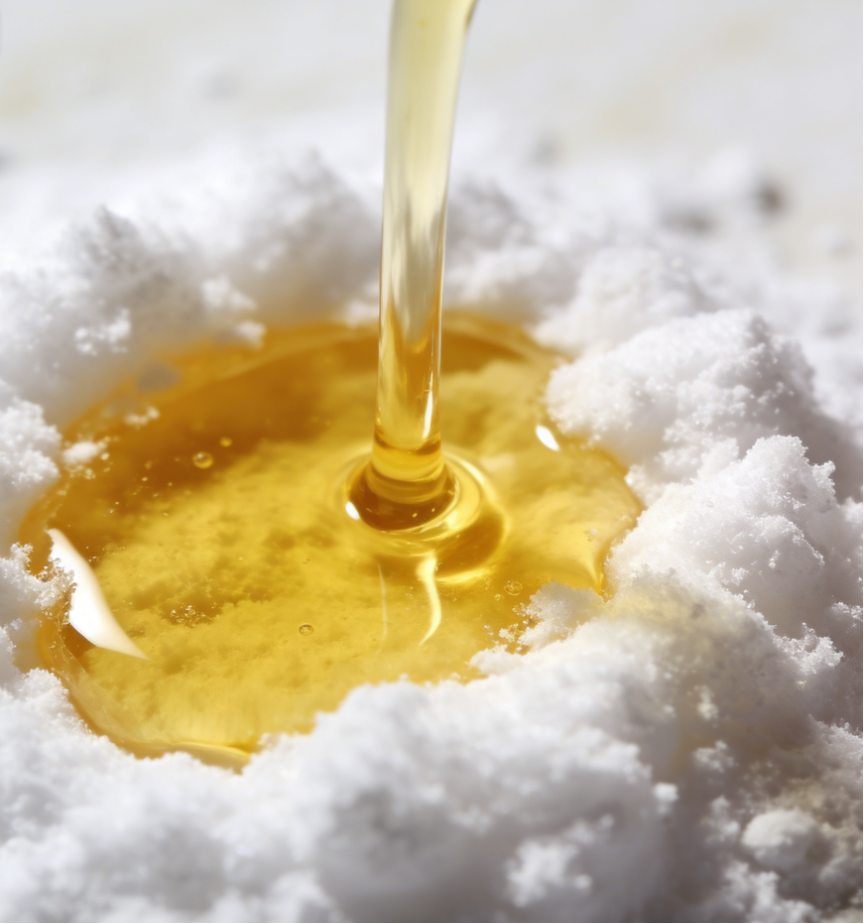
Ever wonder why that little packet inside your jerky bag or vitamin bottle does more than just take up space? Adsorbent silica works by pulling moisture from the air around it, starving the microbes that need water to thrive. Its porous structure acts like a sponge at a microscopic level, trapping humidity before it can soften your crackers or turn your spices into a clumpy mess.
Unlike salt or rice, which can leave a residue or introduce unwanted flavors, silica stays chemically neutral and never touches your food directly. It simply maintains the dry environment that keeps textures crisp and prevents mold from getting a foothold. So next time you reach for a snack that’s just as fresh as the day you opened it, you can thank those unassuming little beads working quietly in the background.
The Science Behind Silica's Moisture-Control Magic
At the heart of silica's desiccant prowess lies a deceptively simple physical structure. Composed primarily of silicon dioxide, the material forms an intricate network of microscopic pores. These cavities, measuring mere nanometers across, create an immense internal surface area—a single gram can boast hundreds of square meters. It’s this labyrinth that traps water molecules through adsorption, not absorption. Unlike a sponge soaking up liquid, silica’s surface attracts and holds vapor via weak van der Waals forces, locking moisture in place without swelling or changing form.
The process unfolds as a delicate equilibrium dance. Humidity in the surrounding air naturally migrates toward the drier microclimate within those pores, driven by differences in partial pressure. Silica doesn’t pull moisture aggressively; it simply offers a more stable, low-energy home for wandering water molecules. This passive mechanism works best in sealed environments, where it can steadily maintain relative humidity around 40%—the sweet spot that deters corrosion, mold, and clumping without desiccating everything to a crisp. Interestingly, the silica itself remains chemically unchanged throughout, which is why gentle heating restores its capacity: a quick bake drives off the collected moisture, leaving the pore structure intact and ready for another round.
But not all silica is created equal. Variations in pore size and surface treatment fine-tune its performance for different tasks. Indicating silica, for instance, gets its color-shifting trick from a cobalt or iron salt infusion that reacts with water, turning from blue to pink as it saturates—a visual nudge that it’s time for regeneration. Meanwhile, narrow-pore variants excel in arid conditions, while wide-pore types thrive in higher humidity, each engineered at the molecular level to meet a specific moisture-control niche.
Ensuring Food Safety with China's High-Purity Grade Silica
High-purity grade silica plays a quiet but integral role in modern food safety protocols. Its highly porous structure allows it to adsorb unwanted moisture and impurities with remarkable efficiency, making it a staple anti-caking agent in products like powdered spices, baking mixes, and nutritional supplements. Unlike some additives that can impart off-flavors or react with food components, this form of silica remains chemically inert, preserving the original taste and texture of consumables.
Produced under tightly controlled conditions, China’s high-purity silica undergoes rigorous purification to minimize heavy metals and other contaminants to levels well below international safety thresholds. Its fine, uniform particle size ensures smooth integration into food matrices without risking abrasion to processing equipment or creating dust hazards. Manufacturers across the globe rely on this consistency to meet strict regulatory requirements while maintaining product stability during storage and transport.
By actively controlling moisture levels, the silica also inhibits the growth of mold and bacteria that could compromise shelf life. This protective function extends beyond dry goods—in liquid systems like edible oil filtration, it helps remove suspended solids and degrade-causing impurities, improving clarity and durability. In every application, the material’s reliability underscores how advanced mineral processing can directly support safer, longer-lasting food products without unnecessary complexity.
Beyond Preservation: Unexpected Benefits of Food-Grade Silica
While food-grade silica is best known for keeping powdered ingredients free-flowing, its impact goes far beyond anti-caking. In processed foods, it acts as a stabilizer, preventing oil separation in spice blends and dry soup mixes, which means every spoonful delivers consistent flavor. It also plays a quiet but crucial role in extending the shelf life of sensitive ingredients by adsorbing excess moisture that would otherwise lead to clumping or spoilage—without adding any taste or odor of its own.
In beverages, silica steps in as a clarifying agent, helping to remove haze-forming proteins and particles during filtration. This is especially valuable in wine, beer, and fruit juice production, where visual clarity signals quality to consumers. Unlike some alternatives, it can be completely removed after processing, leaving no chemical footprint. That same inert nature makes it a go-to for encapsulating flavors and vitamins—protecting delicate compounds from heat, light, and oxidation until they're released at just the right moment during cooking or digestion.
Perhaps most surprising is silica's role in texture modification. In low-fat or reduced-calorie products, it can mimic the mouthfeel of fats, creating a creamy sensation without extra calories. It also supports clean-label trends: when used as a carrier for natural extracts or probiotics, it helps maintain potency during storage while appearing on ingredient lists simply as silicon dioxide—a mineral consumers may recognize as a naturally occurring material. The real beauty is that these benefits often work behind the scenes, improving food quality without anyone noticing anything but the result.
What Sets Premium Adsorbent Silica Apart in Food Applications
Premium adsorbent silica stands out in the food industry due to its exceptional purity and tailored particle characteristics. Unlike standard silica, it is manufactured under rigorous quality controls that remove impurities and ensure consistent pore structure. This precision enables superior adsorption of moisture, oils, and off-flavors, helping to maintain product texture and extend shelf life without compromising taste or safety.
What truly differentiates high-grade adsorbent silica is its ability to perform specific functions without interacting with the food matrix. It can act as a carrier for liquid ingredients, turning them into free-flowing powders, or clarify beverages by removing haze-forming compounds. Its inert nature and high surface area make it an invaluable tool for formulators looking to solve complex stability challenges while keeping labels clean and appealing to health-conscious consumers.
In practical applications, premium silica offers unmatched versatility and efficiency. It prevents caking in dry mixes, improves flowability in powdered products, and aids in the filtration of beer and edible oils. These functional benefits come from a material that is chemically inert and recognized as safe by regulatory agencies worldwide. By delivering reliable performance across a range of conditions, premium adsorbent silica has become a subtle but essential ingredient that quietly elevates food quality.
FAQ
Food grade adsorbent silica is a highly pure, amorphous form of silicon dioxide specifically processed for use in food. It works through physical adsorption, meaning its porous surface traps moisture, oils, and other molecules without chemical reaction, preventing clumping, extending shelf life, and maintaining free-flowing properties in powders like spices, coffee creamers, and nutritional supplements.
Purity is paramount because contaminants like heavy metals or crystalline silica can pose health risks. Reputable manufacturers use rigorous purification steps and comply with international standards like JECFA, FCC, or EU regulations. Testing ensures the silica is over 99% pure amorphous silica, with strict limits on lead, arsenic, and other impurities, making it safe for daily consumption.
By absorbing excess moisture, silica prevents caking and microbial growth, which are major causes of spoilage. It also stabilizes fat-containing powders by adsorbing free oils that can oxidize and become rancid. This dual action keeps the product free-flowing, preserves original flavor and color, and significantly extends the usable life of dry mixes, seasonings, and instant beverages.
China combines abundant high-purity quartz resources with advanced synthetic production technology and strict quality control. Many Chinese manufacturers hold certifications like ISO 22000 and HALAL, and they offer competitive pricing without compromising on safety. The country's integrated supply chain and capacity for large-scale production make it a preferred source for multinational food companies.
Unlike some organic anti-caking agents like magnesium stearate, silica is chemically inert and doesn't affect taste, odor, or nutritional value. Its high surface area provides superior moisture adsorption even in small amounts. It's preferred in sensitive formulations like infant formula or dry flavor blends where purity and neutrality are critical. It also doubles as a carrier for flavor oils.
They should verify certifications, request detailed technical data sheets including particle size distribution and pore volume, and ask for batch-specific purity analyses. A reliable supplier will provide sample testing, transparent sourcing information, and consistent lot-to-lot performance. It's also wise to check their compliance with regional food additive regulations and capacity for timely delivery.
Conclusion
China's food-grade adsorbent silica has quietly become a cornerstone of modern food safety and preservation, transforming how manufacturers protect products from moisture damage. Unlike traditional methods that merely delay spoilage, this high-purity additive actively scavenges water molecules at the microscopic level, creating an environment where mold, clumping, and enzymatic degradation simply cannot take hold. Its porous structure, engineered through advanced sol-gel processes, acts like a molecular sponge, locking away humidity without leaching any harmful substances into the food. This dual action—both passive and active protection—makes it indispensable for everything from powdered spices and instant soups to delicate pharmaceuticals and nutritional supplements. By maintaining the ideal equilibrium relative humidity inside packaging, China's silica extends shelf life far beyond conventional limits, all while remaining inert, tasteless, and compliant with the strictest global safety standards.
Beyond its core moisture-control function, this additive offers unexpected advantages that elevate it beyond a simple desiccant. Its fine particle distribution doubles as an anti-caking agent, ensuring free-flowing powders even in tropical climates, while its clarity-preserving properties keep transparent packaging visually pristine—a subtle but critical factor in consumer trust. The premium grades sourced from China stand out through rigorous quality controls that minimize impurities like heavy metals, coupled with consistent particle morphology that optimizes adsorption kinetics. This scientific precision translates into real-world performance: faster moisture uptake, higher capacity, and reliable behavior across temperature swings. As the food industry pivots toward clean-label trends and extended global supply chains, China's food-grade silica emerges not just as an additive, but as a silent guardian of quality, bridging the gap between production and consumption with understated sophistication.
Contact Us
Contact Person: Levin Wang
Email: [email protected]
Tel/WhatsApp: 8618668999988
Website: https://www.silicaplant.com/