

Copper Pipe Guide: Import Tips and Installation Techniques for Durable Plumbing Solutions
2026-03-30
Embarking on a plumbing project? The choice of materials can make all the difference between a system that lasts for years and one prone to leaks and repairs. Copper pipes have long been a trusted standard, but navigating their import and installation can be daunting, especially with varying quality and techniques. At Jiangsu Baowu New Materials, we understand that durable plumbing starts with high-quality materials and proper know-how. In this guide, we'll share practical tips for importing copper pipes and expert installation techniques to help you build reliable, long-lasting systems. Whether you're a DIY enthusiast or a professional plumber, stick around to discover how to avoid common pitfalls and achieve plumbing solutions that stand the test of time.
Essential Import Considerations for High-Quality Copper Pipes
When sourcing high-quality copper pipes for international markets, it's crucial to scrutinize material certifications alongside supplier reputations. Look for pipes that meet strict international standards like ASTM B88 or EN 1057, which guarantee purity, durability, and performance under pressure. Reputable suppliers often provide traceability documents, ensuring the copper originates from responsible mines and undergoes minimal contamination during manufacturing. Don't just rely on price tags—substandard materials can lead to costly leaks or corrosion issues down the line, so investing in verified quality upfront saves headaches later.
Beyond raw specs, consider the logistical aspects that impact pipe integrity upon arrival. Opt for suppliers who package pipes securely, using protective caps and sturdy crating to prevent dents or scratches during transit. Humidity-controlled shipping might be necessary in some regions to avoid oxidation that could compromise the copper's surface finish. Also, factor in delivery times and customs clearance processes in your country; delays can expose pipes to unfavorable conditions, so aligning with experienced importers who understand these nuances ensures your copper arrives ready for installation without hidden defects.
Dive deeper into customization options when importing copper pipes, as this can set your project apart from generic solutions. Many high-end suppliers offer tailored sizes, thicknesses, or alloy blends to suit specific applications, whether for plumbing, HVAC, or industrial uses. Engaging in direct communication about your exact requirements allows for adjustments that enhance efficiency, like pre-insulated pipes for energy savings. This proactive approach not only secures a superior product but also builds a reliable partnership for future needs, making your import strategy stand out in a crowded market.
Step-by-Step Installation Methods for Leak-Free Plumbing Systems
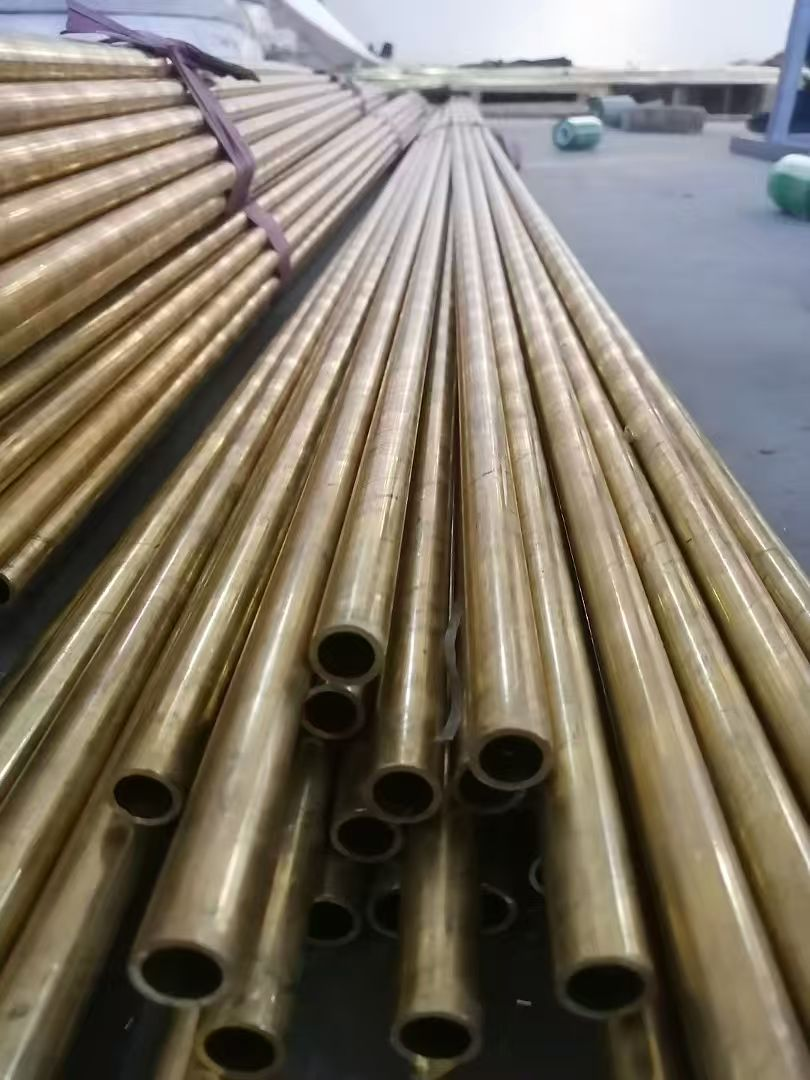
Installing leak-free plumbing systems doesn't have to involve guesswork or constant tightening—it's more about selecting the right materials and understanding how they fit together. Whether you're working with PEX, copper, or PVC, start by double-checking your measurements and ensuring that all pipes are cut cleanly and deburred to prevent snags and weak spots that could lead to future drips. For DIY enthusiasts, taking the time to dry-fit components before applying any sealant or solder can save hours of troubleshooting later on.
When it comes to sealing joints, the choice between thread seal tape, pipe dope, or compression fittings can make or break your project's longevity. For threaded connections, wrap the tape clockwise, overlapping it by about 50% to create a tight seal without over-tightening, which might crack fittings. In soldered copper setups, cleanliness is key—polish both the pipe and fitting with emery cloth until they shine, then heat the joint evenly before applying solder to let it flow smoothly into the gap, forming a watertight bond that won't spring leaks under pressure.
Finally, don't overlook the importance of pressure testing before closing up walls or ceilings. After assembly, slowly fill the system with water and monitor it for at least 24 hours, checking for any drops in pressure or visible moisture. This step catches minor issues like loose fittings or imperfect seals that might not show up immediately, ensuring your plumbing holds up reliably for years without the hassle of unexpected repairs. Pair this with proper insulation in colder climates to prevent freeze-related bursts, and you'll have a system that's as durable as it is efficient.
Best Practices for Cutting and Fitting Copper Pipes Securely
When cutting copper pipes, always use a tube cutter designed for the job, as it provides a clean, square cut that's essential for a tight seal. Avoid saws, which can leave burrs and uneven edges that lead to leaks later on. Measure twice and cut once to ensure the pipe fits perfectly into fittings without excess force.
Before fitting, deburr the cut ends with a reamer or file to remove any sharp edges that could damage the fitting or restrict water flow. Clean the pipe and fitting surfaces thoroughly with sandpaper or a wire brush to remove oxidation and dirt, ensuring the solder or compression ring adheres properly. A dab of flux on the fitting helps the solder flow evenly and creates a strong bond.
When assembling, twist the pipe slightly into the fitting to spread the flux evenly, but avoid over-tightening compression fittings, which can distort the pipe. For soldered joints, heat the fitting evenly with a torch until the solder melts and wicks into the joint, then let it cool naturally without moving it. Always test the connection with water pressure to check for leaks before final installation.
Ensuring Longevity with Proper Maintenance and Inspection Tips
To make your equipment or structure last longer, regular maintenance is key. This means setting up a schedule to check important parts and fix small issues before they turn into big problems. For example, cleaning and lubricating moving parts can prevent wear and tear, while inspecting for cracks or leaks helps catch damage early. Keeping a simple log of what you’ve done and when can make this process smoother.
A good inspection plan goes beyond just looking for obvious signs of trouble. Use tools like checklists tailored to your specific setup, and consider training yourself or others on what to watch out for. Sometimes, bringing in an expert for a more detailed check once in a while can spot hidden issues you might miss. This proactive approach not only extends the lifespan but can also save money by avoiding costly repairs down the line.
Don’t overlook the environment your item is in—things like moisture, temperature swings, or heavy use can speed up aging. Adjust your maintenance routine based on these factors; for instance, if it’s exposed to rain, add extra checks for rust. Stay updated with any manufacturer advice or new best practices, as small tweaks to your methods can lead to better long-term results.
Key Differences Between Domestic and International Copper Standards
Copper standards aren't universal—what works in one country might not fly in another. Domestically, places like the U.S. rely heavily on ASTM specifications, which set clear rules for grades like C11000 (electrolytic tough pitch copper) based on purity and conductivity. In Europe, EN standards step in, often emphasizing recycled content and environmental factors. These local rules might seem similar at a glance, but they diverge in subtle ways, like permitted impurity levels or testing methods, creating a patchwork that can trip up manufacturers if they're not careful.
Internationally, ISO standards aim to bridge these gaps with broader guidelines that serve as a common ground. ISO 431 covers copper and copper alloys, promoting consistency across borders by setting baseline requirements for properties like tensile strength and corrosion resistance. However, adoption isn't uniform—some countries fully integrate ISO norms into their own systems, while others stick to national codes, leading to variability. For industries involved in global trade, understanding these overlaps and gaps is crucial, as a product meeting ASTM standards might need tweaks to comply with ISO or EN, impacting cost and efficiency.
Beyond the technical specs, cultural and regulatory influences shape these differences. Domestically, standards often reflect local industry practices or historical preferences, like the U.S.'s focus on electrical applications driving specific conductivity benchmarks. Internationally, alignment efforts through bodies like the IEC for electrical uses show progress toward harmonization, yet regional priorities—think safety in Japan versus sustainability in the EU—keep standards distinct. This complexity isn't just academic; it affects everything from material sourcing to certification, pushing companies to navigate a nuanced landscape of compliance.
Advanced Techniques for Soldering and Sealing Connections
When it comes to advanced soldering and sealing connections, one key aspect is mastering the use of specialized fluxes and alloys for specific materials. For instance, employing silver-based solder can enhance conductivity and durability in high-temperature applications, while lead-free options are crucial for compliance with environmental regulations. It's not just about heating the joint; it's about understanding how different metals react under thermal stress, which can prevent common issues like cold joints or excessive thermal expansion. This nuanced approach ensures that connections are not only electrically sound but also resilient against mechanical wear and corrosion over time.
Beyond basic soldering, advanced sealing techniques play a pivotal role in protecting connections from moisture, dust, and other contaminants. Techniques such as potting with epoxy resins or using conformal coatings can create a robust barrier without compromising electrical integrity. A practical tip here is to carefully control the curing process, as improper timing can lead to voids or weak seals. By integrating these sealing methods with precision soldering, professionals can build connections that withstand harsh environments, making them ideal for applications in aerospace, automotive, or marine electronics where reliability is paramount.
A less-discussed yet vital technique involves the use of ultrasonic soldering for sensitive components, which minimizes heat exposure and reduces the risk of damage to adjacent parts. This method leverages high-frequency vibrations to create strong bonds at lower temperatures, proving especially useful for delicate substrates like ceramics or glass. Combining this with automated soldering systems can boost efficiency and consistency in large-scale production. Ultimately, advanced soldering and sealing aren't just about following steps; they require a deep, hands-on knowledge of material science and engineering principles to achieve connections that truly excel in performance and longevity.
FAQ
For importing, focus on sourcing from reputable suppliers who provide certifications like ASTM or ISO, check for proper labeling and material composition, and verify that pipes meet local plumbing codes to avoid corrosion or leaks in your projects.
To boost durability, use correct soldering or press-fit methods, ensure joints are clean and flux-applied, avoid overtightening to prevent damage, and incorporate expansion loops to handle thermal changes, reducing stress and leaks over time.
Prevent issues by applying protective coatings or using corrosion-resistant fittings, insulating pipes in damp areas, performing pressure tests post-installation, and regularly inspecting for signs of wear to catch problems early.
Select based on application: Type M is thin-walled for low-pressure uses like residential water lines, Type L is thicker for general plumbing, and Type K is best for high-pressure or underground systems; always match to local codes and environmental conditions.
Store pipes in a dry, covered area to prevent moisture damage, avoid stacking them in ways that cause bending or scratches, and handle with care using appropriate tools to maintain integrity until installation.
Yes, but use dielectric unions or brass fittings to prevent galvanic corrosion when connecting to dissimilar metals like steel or PEX, and ensure proper sealing and support to maintain system reliability.
Exposure to moisture, salts, or acidic soils can accelerate corrosion; mitigate by applying protective wraps, using buried pipes with proper bedding, and selecting alloys suited for harsh conditions to enhance longevity.
Regularly check for leaks or discoloration, flush systems to remove sediment, monitor water quality for acidity, and schedule professional inspections every few years to address minor issues before they escalate.
Conclusion
This comprehensive guide provides essential insights for importing and installing copper pipes to ensure durable plumbing solutions. When importing, it's crucial to consider factors like quality assurance and compliance with both domestic and international standards to source high-quality materials. Understanding the differences between various standards can help select pipes that meet specific project requirements while avoiding potential issues. Additionally, proper installation techniques, including step-by-step methods for leak-free systems, are vital for long-term performance. By integrating these import tips with installation know-how, one can lay a strong foundation for reliable plumbing that withstands daily use and environmental stresses.
To achieve secure and efficient plumbing, best practices such as precise cutting and fitting, along with advanced soldering and sealing techniques, play a key role in preventing leaks and ensuring connections hold up over time. Regular maintenance and inspection are also emphasized to prolong the lifespan of copper pipe systems, addressing common wear and tear proactively. By blending import considerations with hands-on installation skills, this guide offers a holistic approach that goes beyond basic steps, helping users create robust plumbing solutions tailored to diverse needs. Whether for residential or commercial applications, these insights foster durability and reliability in plumbing projects.
Contact Us
Contact Person: Zoe Liang
Email: [email protected]
Tel/WhatsApp: 86 189 2128 6299
Website: https://www.baowuchina.com