

Cut Costs with Oil-Injected Air Compressors: Efficiency Tips & Strategies
2026-07-11
Looking to slash energy bills without sacrificing productivity? Oil-injected air compressors might be your hidden goldmine. At Seize Air, we’ve seen countless operations overlook simple tweaks that can dramatically cut costs. From matching pressure to demand, to smart heat recovery, the possibilities are compelling. Ready to discover how to turn wasted air into real savings? Let’s dive into the strategies that make your compressor work smarter, not harder.
Rethinking Compressor Efficiency: Beyond the Spec Sheet
When selecting an air compressor, spec sheets often dominate the decision-making process. Figures like free air delivery, power consumption, and maximum pressure get scrutinized, yet real-world performance rarely mirrors these isolated metrics. A machine might excel on paper but fall short once integrated into a system with fluctuating demands, piping losses, and varying ambient conditions. True efficiency extends into how the compressor interacts with its entire ecosystem—aftercoolers, dryers, filters, and even the layout of the distribution network can erode gains if overlooked. A broader perspective that considers total lifecycle performance, not just the stated design point, separates a wise investment from a costly misstep.
Beyond the raw numbers, control strategy profoundly shapes energy consumption. A fixed-speed compressor running at full capacity and then idling may seem straightforward, but frequent unloading cycles waste power. Variable speed drives adapt motor speed to air demand, trimming energy use during partial loads, yet their benefits vanish if the compressor is oversized or if leaks persist downstream. Sophisticated master controllers orchestrating multiple units can stage them to match demand curves, avoiding wasteful blow-off and reducing maintenance intervals. Such systemic thinking often yields double-digit efficiency improvements without touching the compressor itself, proving that operational intelligence rivals hardware performance.
Heat recovery stands as another overlooked frontier. A typical oil-injected screw compressor converts nearly three-quarters of its electrical input into heat, most of which is discarded via cooling systems. Redirecting this thermal energy to space heating or process water preheating transforms a single-purpose machine into a cogeneration asset. Facilities in cold climates can offset boiler fuel drastically, while even warmer regions benefit from regenerating desiccant dryers using recovered warmth. When spec sheets ignore this potential, buyers focus solely on input kilowatts rather than usable output across multiple domains. Rethinking efficiency demands we measure what truly matters—the holistic value delivered, not just the air.
Smart Sizing: Why Bigger Isn’t Always Better
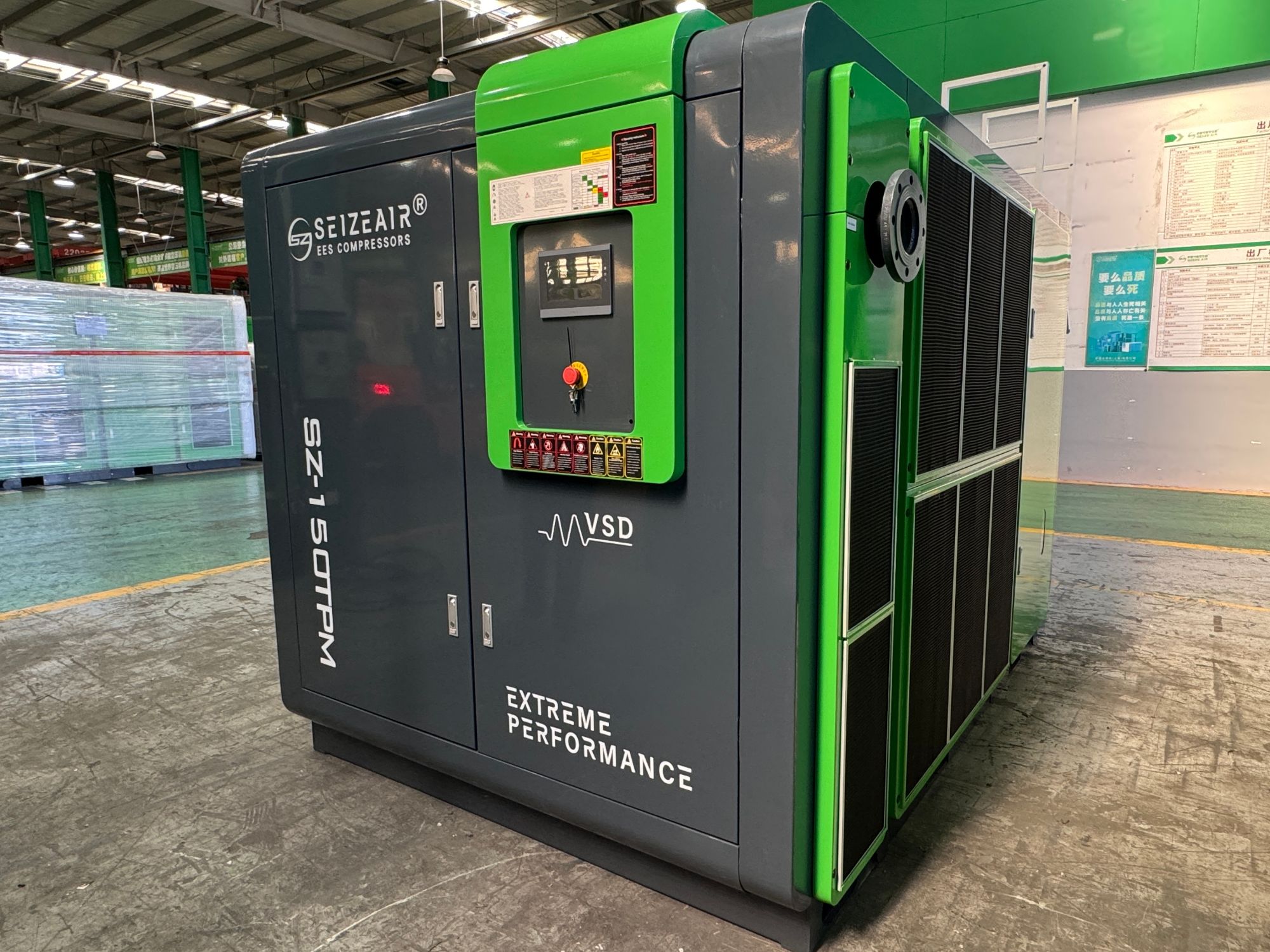
We’ve all been trained to think that upgrading means going larger—more square footage, a bigger screen, a bulkier appliance. But that assumption often leads to wasted space, higher energy bills, and a setup that simply doesn’t fit the way we actually live. Smart sizing flips the script. It’s about matching scale to real habits, not hypothetical ones. A compact, well-designed device can outperform its oversized counterpart when it aligns with daily routines and available room.
Consider the kitchen: a massive refrigerator might seem luxurious, yet it often ends up half-empty and burning electricity to cool nothing. A smaller, intelligently organized unit can store exactly what you need while keeping everything visible and accessible. The same logic applies to living areas, where choosing furniture scaled to the actual traffic flow makes a room feel more open and welcoming than stuffing it with oversized pieces that dominate the space.
There’s also a psychological payoff. An environment tailored to your proportions feels effortless—no wasted steps in a sprawling floor plan, no cleaning rooms that hardly see use. The real luxury isn’t in square meters, but in how gracefully a home supports your rhythms. When every inch earns its keep, you end up with a place that feels both generous and intimate, proving that the smartest choice often comes in a smaller package.
The Hidden Goldmine: Heat Recovery Systems
Most industrial processes bleed energy in the form of waste heat—exhaust streams, cooling water, or even warm air that simply vanishes into the atmosphere. Capturing this overlooked resource can slash fuel consumption, shrink carbon footprints, and quietly boost the bottom line without altering core operations.
Heat recovery systems work like scavengers, siphoning thermal energy from one process and redirecting it to preheat incoming fluids, generate steam, or warm workspaces. The technology isn't futuristic—it's rooted in smart thermodynamics and rugged engineering, yet many plants treat their waste heat as an invisible loss until someone runs the numbers.
Beyond the immediate savings, reclaiming waste heat builds resilience against volatile energy prices and tightens operational discipline. It's a practical, low-profile investment that often pays for itself faster than any supply-chain optimization or equipment upgrade, making it one of the most underrated levers in modern industry.
Maintenance Hacks That Slash Energy Bills
Keeping your home's energy consumption in check doesn't require a major overhaul—sometimes the smallest maintenance tasks yield the biggest savings. Start by giving your HVAC system some attention; a clogged filter forces it to work harder, draining both energy and your wallet. Swap it out every month during peak seasons, and while you're at it, vacuum the vents and clear any debris around the outdoor unit. This simple routine can improve airflow and drop your bill by up to 15%, all without calling a technician.
Don't overlook the humble refrigerator coil. When dust and pet hair accumulate on those condenser coils, the appliance struggles to keep things cool, cycling on more often and wasting electricity. Twice a year, pull the fridge away from the wall, unplug it, and use a brush or vacuum to gently clean the coils. You'll notice it runs quieter and your kitchen feels less like a sauna—plus, you'll shave a few dollars off the monthly statement.
Sealing gaps around windows and doors is another unsung hero in the fight against high energy bills. Weatherstripping wears out over time, letting conditioned air escape and outdoor drafts sneak in. Run your hand along the frames on a breezy day to feel for leaks, then replace worn strips or add a bead of caulk. It's a low-cost fix that can shrink heating and cooling costs by 10% or more, making your home cozier without touching the thermostat.
Fine-Tuning Pressure Settings for Real-World Savings
Many operators treat pressure settings as a one-time setup, overlooking how seasonal changes and equipment wear gradually push systems out of their ideal efficiency window. A tiny 2 PSI reduction in operating pressure can quietly trim energy bills by over 5% annually without compromising output, yet most facilities never revisit their initial calibrations. The key is understanding that compressors and blowers rarely need to run at their maximum rated capacity to meet actual demand.
Mapping real-time demand patterns against pressure setpoints often reveals surprising mismatches. For instance, a plant might discover that 90% of its production cycles require only 85 PSI, while the system had been blindly maintaining 105 PSI just to satisfy occasional peak surges. By implementing pressure profiling—where setpoints automatically adjust according to scheduled load changes—the wasted energy literally disappears into thin air, along with the unnecessary wear on seals and valves.
The savings go beyond electricity when you factor in reduced leakage losses, which increase exponentially with pressure. Every 15 PSI drop can slash leakage rates by nearly half, meaning the cumulative effect on maintenance budgets and system longevity often eclipses the direct energy savings. The trick is to adopt a dynamic approach: start by auditing your actual pressure needs across different shifts, then gradually lower the setpoint while monitoring output quality and cycle times. Most teams are astonished to find they can dial back 10% or more with zero downside, transforming a simple adjustment into a durable competitive edge.
Integrating Controls and IIoT for Peak Performance
Merging traditional control systems with the Industrial Internet of Things isn’t just about connectivity—it’s about turning raw data into decisive action. When PLCs, sensors, and actuators feed real-time signals into a unified IIoT architecture, the entire production line starts breathing as one organism. This integration slashes latency, letting operators spot micro-deviations in temperature, vibration, or throughput long before they snowball into downtime. The result is a self-correcting loop where the floor doesn’t just report status—it negotiates performance with the cloud, edge nodes, and human supervisors simultaneously.
The real leap comes from how this fusion redefines scalability. Instead of bolting on analytics after the fact, controls now ship with embedded intelligence that auto-configures protocols like OPC UA or MQTT the moment they join the network. That means a new pump in Kuala Lumpur can handshake with a dashboard in Munich without a single manual intervention, while predictive algorithms quietly retune PID loops based on energy pricing or supply-chain shifts. Peak performance stops being a static target and turns into a dynamic equilibrium, where machines learn from each other’s stress patterns and adjust outputs before bottlenecks even form.
FAQ
Several elements come into play, like how you match the compressor's capacity to your actual air demand, the condition of inlet filters, and the temperature of intake air. Also, the quality of the oil and how well the cooling system works directly influence how much power the unit draws over time.
Start by auditing your air usage to avoid running the compressor harder than necessary. Switching to a control strategy that matches output to real-time demand, like a variable displacement or load/unload scheme, can make a big difference. Don’t overlook small leaks—fixing them instantly cuts waste.
Regular oil changes with the right grade keep internal friction low. Replacing air and oil filters on schedule prevents pressure drops, and cleaning coolers ensures heat exchange stays effective. A well-maintained machine can avoid the slow creep of rising energy use.
Lower the pressure set point if your tools and processes can tolerate it—just a 10 psi reduction can drop energy use several percent. Also, check that condensate drains aren’t stuck open, and make sure intake vents are unobstructed and drawing in cool, clean air.
An oversized compressor wastes electricity by cycling too often or running unloaded. An undersized one struggles to keep up, causing quality issues and extra wear. Getting the size right means the unit runs in its sweet spot most of the time, trimming both your power bill and maintenance outlay.
Absolutely. Oil-injected units give off a lot of heat that normally just gets vented. Directing that warm airflow to heat a warehouse or preheat water for other processes can offset heating costs, effectively turning a liability into a free resource.
Leaks are one of the biggest hidden drains on efficiency. Even a tiny hole wastes compressed air 24/7, forcing the compressor to work longer. Regular leak detection and prompt repairs can slash energy waste by 20% or more in many plants.
If your air demand fluctuates, a VSD compressor adjusts motor speed to match output precisely, avoiding the inefficient on-off cycling of fixed-speed machines. This can cut energy consumption by up to 35%, and the savings often pay back the extra investment within a couple of years.
Conclusion
Achieving real cost savings with oil-injected air compressors starts by looking beyond the spec sheet. Traditional efficiency metrics don’t tell the whole story—real-world performance depends on how the compressor interacts with your entire system. Smart sizing is critical because an oversized unit wastes energy through frequent cycling, while a properly sized machine runs closer to its optimal load point. Another often-overlooked strategy is heat recovery: the heat generated during compression can be captured and reused for space heating or process water, turning a waste product into a valuable resource. These foundational steps immediately reduce operational expenses without compromising productivity.
Ongoing savings come from diligent maintenance and fine-tuning. Simple hacks like fixing leaks, cleaning filters, and monitoring pressure drops keep the compressor running efficiently and extend its lifespan. Reducing system pressure by just a few psi can lead to noticeable energy reductions, and integrating advanced controls with IIoT technology allows real-time monitoring and automatic adjustments to match demand precisely. Together, these practices transform compressors from a fixed cost into a dynamic asset, continuously optimized for minimum waste and maximum output. By combining smarter equipment choices with proactive management, facilities can slash energy bills while maintaining reliable compressed air supply.
Contact Us
Contact Person: Mia
Email: [email protected]
Tel/WhatsApp: +86 19821985894
Website: https://www.seize-air.com