
Ethanolamine Industry: Key Trends and Innovations Driving the Market Forward
2026-03-10
The ethanolamine industry is undergoing a transformative shift, fueled by groundbreaking advancements and emerging applications that are reshaping the global market. As a key player in this dynamic sector, POLYKEM is at the forefront of innovation, driving progress with cutting-edge solutions tailored to meet evolving demands. In this blog, we delve into the key trends and innovations propelling the ethanolamine market forward, offering insights that will captivate industry insiders and newcomers alike. Stay tuned to explore how these developments are creating new opportunities and challenges, and why staying informed is crucial for anyone invested in this vibrant field. For more detailed information, visit POLYKEM to discover our role in these exciting changes.
Global Ethanolamine Production Surges with Asia-Pacific Leading Growth
The global ethanolamine market is witnessing a significant surge in production, driven primarily by a remarkable expansion in the Asia-Pacific region. This growth is fueled by the region's rapid industrialization, rising demand for surfactants in cleaning products and personal care items, and increased usage in gas treatment applications across emerging economies. Countries like China and India are leading the charge, with massive investments in chemical manufacturing facilities to meet both domestic needs and export opportunities, reshaping global supply chains.
While other regions such as North America and Europe maintain steady ethanolamine output, the Asia-Pacific's dominance is becoming more pronounced, accounting for a growing share of the world's total production. This shift is supported by favorable government policies, lower labor and operational costs, and a burgeoning downstream industry that includes agrochemicals and pharmaceuticals. The region's focus on improving production efficiency and expanding capacity is set to sustain this upward trend, making it a central hub for future market developments.
Competition is intensifying as these regional dynamics play out, with market players in the Asia-Pacific not only meeting local demand but also capturing export markets previously dominated by Western producers. Innovations in production technologies and a push towards sustainable practices are adding unique value propositions, ensuring that the growth narrative remains robust and differentiated from past cycles. This landscape underscores how strategic regional advantages can redefine global industry leadership in key chemical sectors.
Innovations in Catalysts Enhance Ethanolamine Synthesis Efficiency
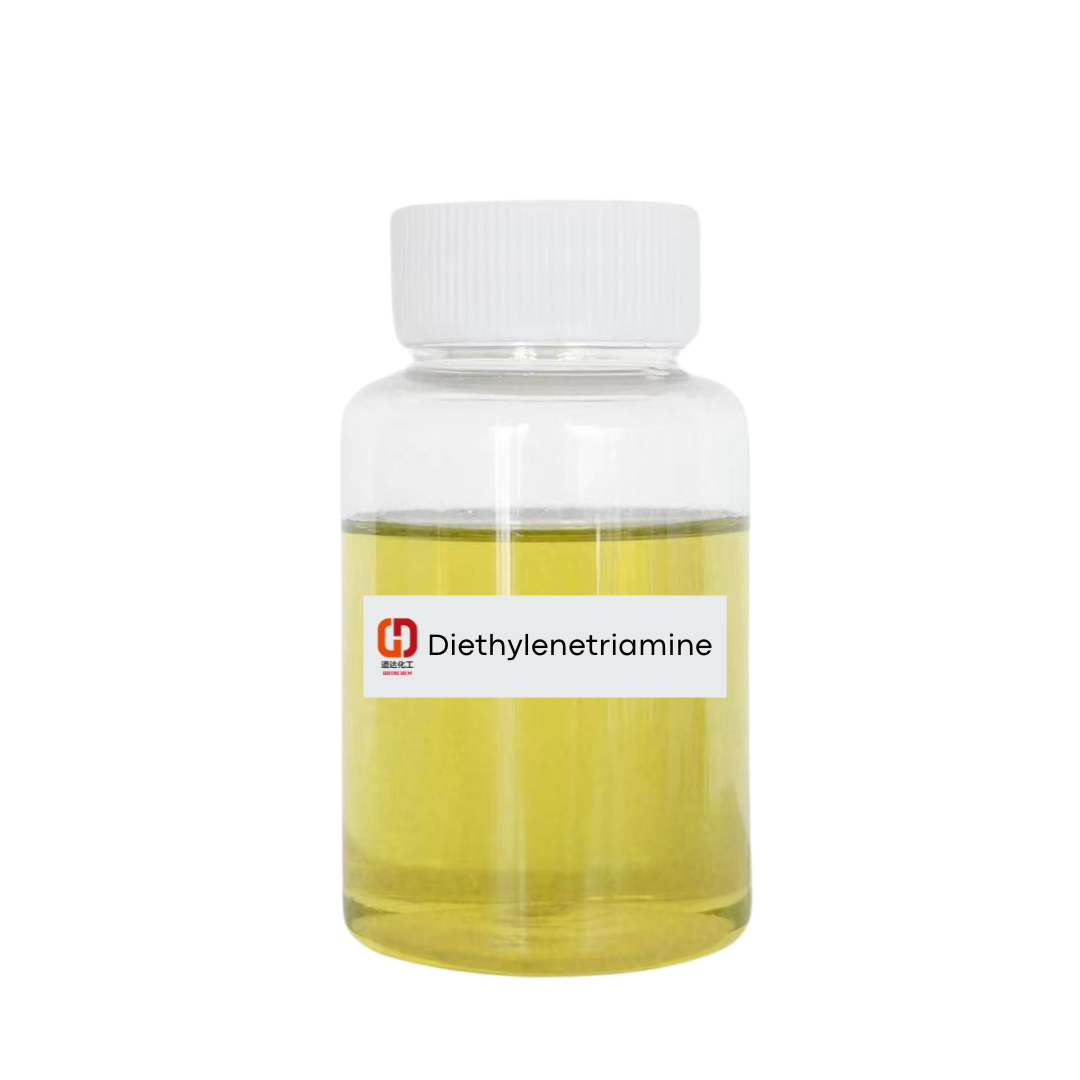
A recent surge in catalyst development has transformed ethanolamine production, offering more efficient pathways. Researchers are fine-tuning materials like metal-organic frameworks and zeolites, which boost reaction rates and selectivity. This progress not only slashes energy use but also reduces unwanted byproducts, making the synthesis greener and more cost-effective.
Beyond traditional methods, novel catalysts incorporating bimetallic systems or tailored nanostructures are pushing boundaries. They enable milder operating conditions, such as lower temperatures and pressures, which enhance safety and durability. These innovations stem from collaborative efforts in academia and industry, driving real-world applications forward.
Looking ahead, the integration of computational modeling aids in designing next-generation catalysts with precision. This approach accelerates discovery cycles, ensuring that ethanolamine synthesis keeps pace with growing demand in sectors like agriculture and pharmaceuticals. Such advancements promise a sustainable future for chemical manufacturing.
Expanding Applications in Personal Care and Agrochemicals Boost Demand
Recent innovations in chemical formulations have sparked a surge in demand across both personal care and agrochemical industries. In personal care, advanced ingredients like biodegradable polymers and smart delivery systems are reshaping skincare and haircare products, offering enhanced efficacy and sustainability. Meanwhile, agrochemicals are evolving with precision solutions such as nano-formulations and bio-stimulants that boost crop yields while minimizing environmental impact. This dual expansion is driving significant market growth, as consumers and farmers alike seek more effective, eco-friendly options.
The personal care sector, for example, is seeing a shift towards multifunctional products that combine sun protection, anti-aging, and hydration in single applications. Companies are capitalizing on this trend by developing novel compounds that cater to diverse consumer needs, from sensitive skin to active lifestyles. In agrochemicals, the focus is on developing targeted pesticides and fertilizers that reduce runoff and soil degradation, addressing global challenges like food security and climate resilience. This cross-industry momentum is not only fueling innovation but also fostering collaborations between research institutions and manufacturers.
As these applications broaden, the demand for specialized raw materials and production processes is intensifying. Suppliers are expanding their portfolios to include ingredients with dual uses, such as surfactants that work in both cosmetics and crop treatments. This synergy is creating new market niches and driving investments in R&D, with projections showing continued growth as regulatory frameworks and consumer preferences evolve globally. The ripple effects are evident in supply chains, where efficiency and sustainability are becoming key competitive advantages.
Sustainable Production Methods Gain Traction Amid Environmental Regulations
In recent years, sustainable production methods have seen a significant rise in adoption as companies navigate increasingly stringent environmental regulations. This shift isn't just about compliance; it's being driven by a growing awareness that greener practices can enhance efficiency and reduce long-term costs. From manufacturing to agriculture, businesses are integrating innovations like circular economy models and low-impact materials, finding that these approaches often lead to stronger brand loyalty and competitive advantages in a market where consumers prioritize eco-friendliness.
The momentum behind these methods has accelerated as governments worldwide tighten their environmental policies, imposing stricter limits on emissions and waste. Rather than viewing regulations as burdensome, many industries are seizing them as catalysts for transformation, investing in technologies such as renewable energy systems and water recycling. This proactive stance is reshaping supply chains, making sustainability a core part of operational strategy rather than a peripheral concern, and fostering collaborations that push the boundaries of what's possible in resource conservation.
Looking ahead, the trend shows no signs of slowing, with sustainability becoming integral to corporate identities and economic resilience. As companies adapt to this new landscape, they're not only reducing their ecological footprint but also uncovering innovative solutions that drive growth and social responsibility. This evolution highlights a broader movement toward a more sustainable global economy, where environmental stewardship and business success are increasingly intertwined.
Market Dynamics Shift with New Players and Strategic Partnerships
The landscape of today's markets is undergoing a profound transformation, largely driven by the entry of unexpected new players and the formation of unconventional strategic partnerships. Gone are the days when industry giants dominated without challenge; now, agile startups, tech disruptors from adjacent sectors, and even non-profit organizations are reshaping competitive dynamics. These new entrants bring fresh perspectives, innovative technologies, and customer-centric approaches that force established companies to adapt or risk obsolescence. This influx not only intensifies competition but also opens up new avenues for growth and collaboration, creating a more dynamic and unpredictable environment.
Simultaneously, strategic partnerships are becoming a cornerstone of business strategy, enabling organizations to leverage complementary strengths and accelerate market penetration. No longer confined to simple supplier agreements, these alliances now encompass joint ventures, co-development projects, and ecosystem integrations that blur traditional industry boundaries. For instance, a traditional manufacturing firm might partner with a software company to develop smart products, while a retail chain could collaborate with a logistics startup to enhance delivery efficiency. These partnerships allow companies to pool resources, share risks, and tap into new customer segments, often leading to innovative solutions that would be difficult to achieve independently.
As a result, the interplay between new players and strategic partnerships is fundamentally altering market dynamics, fostering a culture of innovation and resilience. This shift encourages continuous adaptation, with businesses needing to stay agile and open to collaboration to thrive. In this evolving landscape, success increasingly depends on the ability to form meaningful connections and embrace change, making it an exciting yet challenging era for industries worldwide.
Future Outlook: Bio-based Ethanolamine and Circular Economy Initiatives
The shift toward bio-based ethanolamine is gaining momentum as industries seek sustainable alternatives to petroleum-derived chemicals. Driven by environmental pressures and regulatory shifts, this move not only reduces carbon footprints but also taps into renewable feedstocks, such as plant-based materials. Companies are investing in advanced fermentation and catalytic processes to enhance production efficiency, making bio-based options more competitive and scalable for diverse applications.
Simultaneously, circular economy initiatives are reshaping how ethanolamine is used and recycled. By integrating waste streams and designing products for easier recovery, industries can minimize resource depletion and landfill waste. For instance, in the agrochemical and pharmaceutical sectors, efforts are underway to repurpose by-products and implement closed-loop systems, fostering a more resilient supply chain that benefits both the economy and the environment.
Looking ahead, collaborations between biotechnology firms, manufacturers, and policymakers will be crucial in overcoming challenges like cost barriers and market adoption. As these innovations mature, they promise not only to reduce reliance on finite resources but also to drive economic growth through greener practices, positioning bio-based ethanolamine as a key player in a sustainable industrial future.
FAQ
Increasing demand from key sectors like agrochemicals, detergents, and personal care products is fueling the ethanolamine market. Environmental concerns are also pushing innovations toward less toxic and more sustainable alternatives, creating new opportunities.
Advances in catalytic processes and bio-based production methods are enhancing efficiency and reducing environmental footprints. These innovations help lower costs and align with global green chemistry trends, making production more competitive.
Ethanolamine serves as a crucial ingredient in herbicides and pesticides due to its solvent properties and ability to improve chemical stability. It's essential for formulations that target crop protection and yield enhancement, driving steady demand.
Yes, new uses in areas like gas sweetening for natural gas processing and as a building block in pharmaceutical intermediates are gaining traction. These applications diversify demand beyond traditional sectors, potentially boosting market growth.
Key challenges include managing raw material volatility, such as ethylene oxide supply, and addressing environmental regulations on waste disposal and emissions. Companies are investing in cleaner technologies and recycling methods to mitigate these issues.
Regional strategies focus on localizing production near major end-use industries, like in Asia-Pacific for detergents or North America for shale gas processing. This adaptation helps reduce supply chain risks and meet specific regional needs efficiently.
Conclusion
The ethanolamine market is experiencing dynamic growth, largely propelled by significant production increases across the globe. Asia-Pacific, in particular, has emerged as the epicenter of this expansion, with countries like China and India leading the charge in manufacturing capacity. This surge is closely linked to rising demand from diverse sectors, as innovations in catalysts have revolutionized the synthesis process, making it more efficient and cost-effective. These advancements are not merely technical tweaks but represent a fundamental shift toward optimizing chemical reactions, which in turn supports the industry's ability to meet the escalating needs of end-users. Meanwhile, the market's landscape is evolving with new entrants and strategic partnerships reshaping competitive dynamics, fostering a more collaborative and innovative environment that drives forward momentum.
Beyond production efficiencies, ethanolamine is finding broader applications in personal care and agrochemicals, where its versatile properties are increasingly valued. This demand boost is complemented by a growing emphasis on sustainability, as environmental regulations push manufacturers toward greener production methods. The industry is gradually adopting processes that minimize waste and emissions, aligning with global circular economy initiatives. Looking ahead, the future appears promising with developments in bio-based ethanolamine, which could further enhance environmental credentials and reduce reliance on fossil fuels. This holistic approach, combining innovation in synthesis, expanded usage, and sustainable practices, positions the ethanolamine sector for continued growth and resilience in a rapidly changing market.
Contact Us
Contact Person: Levi
Email: [email protected]
Tel/WhatsApp: +86 532 84688720
Website: https://www.polykem-intl.com