

High Quality Plate Compactor Picks: Expert Recommendations for Superior Compaction
2026-06-19
Looking for the best plate compactor to achieve superior compaction on your jobsite? Our team of experts has curated a list of high-quality picks designed to deliver consistent, professional results. Among them, the innovative solutions from Dynamic stand out for their reliability and performance. Read on to discover the top recommendations that can transform your compaction tasks.
The Unseen Difference Between a Good Compaction and a Great One
Most operators can hit the target density numbers, but what separates a passable compaction from one that truly lasts happens out of sight. The real difference lies in how the material responds beneath the surface—things like particle interlock uniformity, residual air voids, and the subtle balance between overworking and underworking the lift. A great compaction doesn’t just meet a spec; it anticipates how the material will behave under years of load and moisture cycling.
One overlooked factor is the timing of moisture conditioning. Too many crews rely on surface appearance or generic lab curves, missing the brief window when water is evenly distributed through the fines. When moisture migrates unevenly during compaction, it creates micro-layers within the fill that pass a density test today but settle inconsistently later. The best operators feel the drum response change and know when to stop—before glossy over-compaction seals the surface and traps pressure beneath.
Long-term performance comes down to those quiet decisions: adjusting roller speed for a tricky gradation, recognizing when a soft spot is a moisture pocket rather than a lack of passes, or simply knowing that the afternoon heat is pulling moisture faster than the test reads. A great compaction doesn’t announce itself with a number—it proves itself years later, in the absence of cracks and the persistence of pavement smoothness.
What Separates a Reliable Plate Compactor from the Rest?
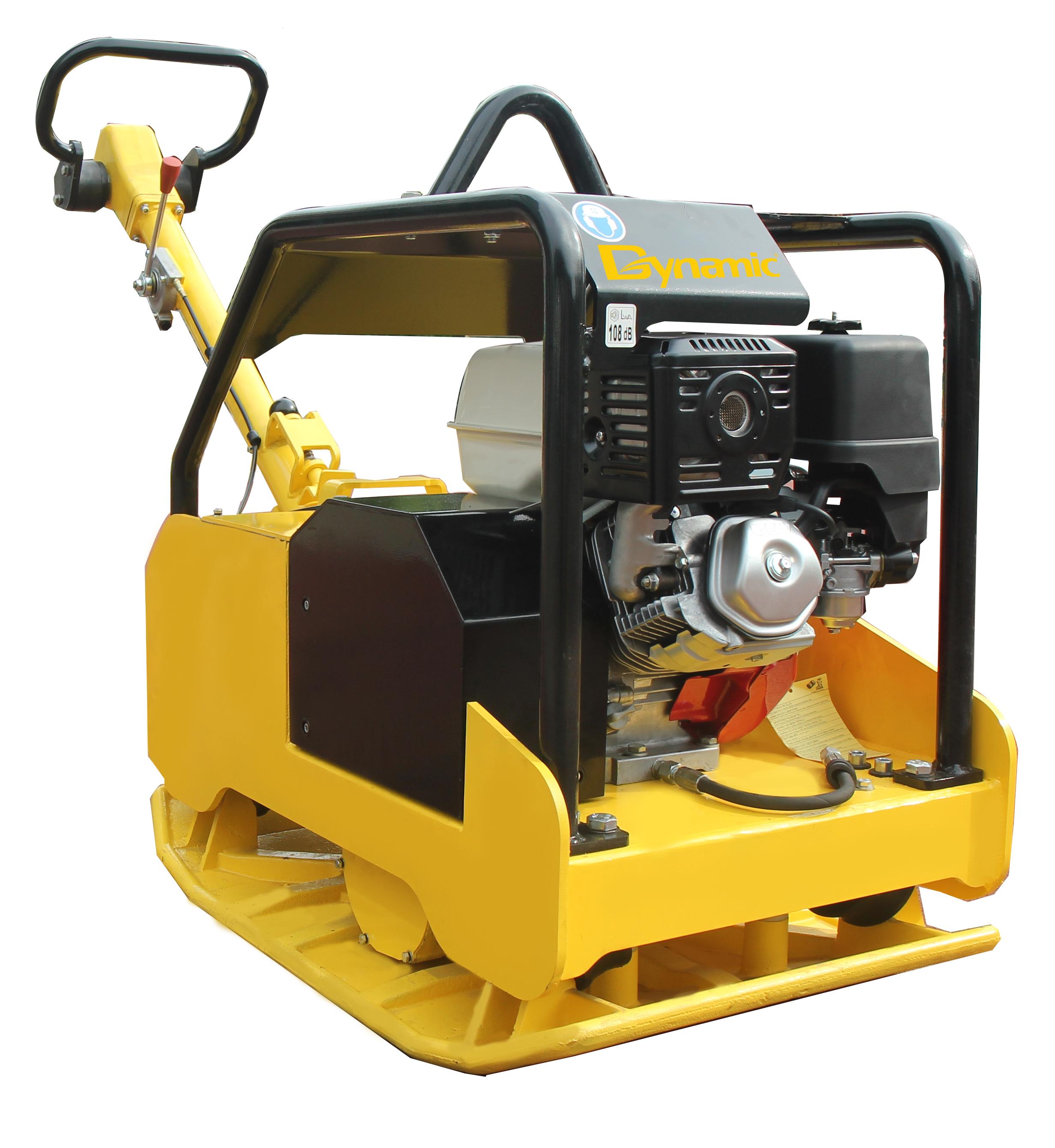
What truly sets a dependable plate compactor apart is the thought put into its construction. Look for a reinforced frame that can withstand job site abuse without cracking, paired with an engine known for consistent starts and steady fuel delivery. Machines that cut corners here often leave you fighting with stalling or excess vibration in the handles.
Beyond the raw power, the design of the eccentric system dictates how effectively energy transfers into the ground. A well-tuned compactor delivers a high-frequency, low-amplitude vibration that settles granular materials quickly, while an unbalanced unit just rattles on the surface. Pay attention to whether the speed and direction can be adjusted on the fly—this flexibility is what separates a tool that adapts to different lifts from one that only works in ideal conditions.
Finally, reliability hinges on how easy the machine is to maintain. Sealed bearings, a thoughtfully placed throttle, and a base plate that resists wear all contribute to less downtime. If you find yourself constantly retightening bolts or dreading the next oil change, the initial savings will disappear into repair costs faster than you think.
Why Plate Size and Weight Aren’t Just Numbers on a Spec Sheet
Numbers on a data sheet rarely capture the tactile reality of handling a plate. A larger diameter might technically fit your rig, but it can shift your center of gravity, forcing constant micro-adjustments that wear out your shoulders over a long day. Meanwhile, a plate that’s too light may save ounces on paper, yet it often flexes under recoil or fails to dampen vibrations, leaving you with a sharper, less pleasant shooting experience. The raw specs never tell you how the weight is distributed — whether it’s balanced near the mount or front-heavy, something you feel the moment you bring the rifle up to aim.
There’s also a material story hidden behind those simple digits. Plates cut from different alloys or manufactured with unique geometry feel radically distinct in the hand, even when the advertised weight is identical. A forged plate with carefully sculpted contours can distribute impact forces more evenly, reducing fatigue, while a cheaper cast plate of the same mass may ring like a bell and transfer every sharp impulse straight into your body. These nuances emerge only with use, defying the sterile comparisons made in a spreadsheet. Size, too, isn’t just about fitting onto a rail — a slightly broader plate can offer more real estate for stable bracing against barriers, a practical advantage that never shows up in a catalog’s measurements.
Finally, the interplay between plate size and weight shapes how naturally a weapon points and settles for repeat shots. A heavier plate can tame muzzle rise, but if it’s oversized, it might snag on gear or make the rig unwieldy in confined spaces. Conversely, a compact lightweight plate might feel nimble initially, but the increased felt recoil can slow down follow-ups and undermine confidence. These trade-offs live in the physical world, not on a spec sheet, and they matter most when you’re past the bench and actually moving with your equipment. The numbers are just a starting point — the real test is in the carry, the mount, and the recoil cycle.
Operating a Compactor: Tips That Go Beyond the Manual
Most manuals walk you through button sequences and safety locks, but they rarely capture the subtle feedback a machine gives during operation. Pay attention to the motor’s pitch under load—it shifts ever so slightly when material distribution is uneven. That slight vibration in the control panel isn’t just noise; it’s telling you the ram is meeting unexpected resistance. New operators treat compactors like set-and-forget appliances, but seasoned ones listen to the whole cycle. If the cycle time stretches a couple seconds longer than usual, a jam might be building in the far corner where you can’t see. Manuals don’t teach that.
Pre-sorting gets a cursory mention in the documentation, yet moisture and material mismatch cause more downtime than mechanical failure ever does. Cardboard damp from morning dew compresses into dense bricks that throw off weight sensors, while a stray piece of scrap metal can gouge the bed and ruin compaction ratios for weeks. Toss an absorbent mat or a handful of dry sawdust into the chamber before running wet waste—it’s a trick floor crews keep to themselves. The manual says “load evenly,” but it doesn’t explain that layering bulky items against the back wall and sandwiching finer refuse toward the front prevents those maddening incomplete cycles.
Rhythm matters more than anyone admits. Rushing the cycle with rapid-fire loads strains hydraulic lines uselessly; a two-second pause between fill-ups lets the ram settle and the pressure equalize. And forget the manufacturer’s checklist for daily inspections—always check the limit switch alignment after a heavy shift, because even a quarter-inch drift can fool the safety logic. Keep a log of odd sounds or slight upticks in power draw, because that’s how you catch a failing seal before the puddle forms under the machine. Real proficiency comes from the habits manuals never bother to spell out.
Matching Your Machine to the Messy Reality of Job Sites
No two job sites are ever the same, and the pristine conditions of a showroom floor rarely match the chaos of mud, rubble, and cramped spaces you’ll actually work in. Choosing equipment that can handle the unpredictability of real-world terrain isn’t just about horsepower—it’s about ground clearance, tire or track design, and the machine’s overall weight distribution when it’s slewing or digging at odd angles.
Operators quickly learn that a machine’s on-paper specs mean little if its undercarriage clogs up with sticky clay or its turning radius becomes a liability around half-finished walls. The right choice often comes down to details: reinforced belly pans for rocky ground, high-flow hydraulics that don’t bog down under sustained use, and cooling systems that shrug off dust and chaff instead of overheating. It’s about anticipating the messy, not just reacting to it.
Versatility on a site means more than swapping attachments. It’s how well your machine copes with uneven weight shifts when you lift a heavy load on a slope, or how its controls respond when you’re nudging into a trench with limited visibility. The best fit is often the one that feels stable and predictable in the hands of an experienced operator, even when the ground underneath is anything but.
The Long Game: Maintenance Routines That Actually Keep Things Running
Most breakdowns don’t happen out of the blue. They’re the slow result of skipped checks and overlooked warning signs. The long game is about building tiny, regular habits that catch wear and tear before it spirals. It’s not glamorous—wiping down machinery, tightening loose screws, listening for odd vibrations—but that’s exactly what stops a ten-minute job from becoming a two-day emergency.
Take the humble air filter in a workshop dust collector. A quick tap-and-vacuum every Friday afternoon takes less than five minutes, but let it cake up for a month and suddenly the motor’s struggling, the suction’s gone, and you’re staring at a burnt-out bearing. The same logic applies across the board: car belts, coffee grinder burrs, even the seals on a pressure cooker. The trick isn’t doing more; it’s doing a little, often.
What trips people up isn’t the complexity of the task—it’s the mental hurdle of starting. That’s why tacking maintenance onto an existing routine works wonders. Check the fluid levels while your coffee brews, wipe the bike chain after your Sunday ride, or spend the first five minutes of a shift scanning for leaks and loose bits. Once it’s automatic, you stop seeing it as a chore and start noticing how much less often things go sideways.
FAQ
It comes down to build durability, engine power, and how evenly it delivers force. You want a machine with a thick steel base plate, a reliable engine from a known manufacturer, and a vibration system that doesn’t shake itself to pieces over time.
Experts test across different soil types and job conditions, comparing not just specs but real-world handling. They can spot design flaws that casual buyers might overlook, like awkward controls or poor weight balance, which reviews often miss.
For most residential jobs, a reversible model with around 3,000 to 4,500 pounds of centrifugal force hits the sweet spot. It compacts granular material effectively without being overkill, and you get better maneuverability in tight corners.
Check the vibrator oil every 50 hours, clean the air filter after dusty days, and inspect belts for cracking monthly. Neglect these and you’ll see gradual loss of compaction force, plus a lot more wear on the engine.
A reversible machine lets you work yourself out of a corner without dragging the unit backward manually. It also gives smoother passes on cohesive soils, since you can compact in both directions with consistent amplitude.
Yes, but you need sufficient amplitude and a heavier plate to break the surface tension. Look for models with adjustable vibration frequency, and sometimes adding a little water helps—though too much turns it into a sticky mess.
Going by price and engine horsepower alone. A cheap unit might vibrate hard but have poor isolation, which transfers fatigue to your arms and damages the machine. Always check the vibration dampening system and actual plate coverage.
Conclusion
Achieving superior compaction isn’t just about running a plate compactor over the ground—it’s about understanding the subtle differences that separate a good job from a great one. The unseen factors, such as vibration frequency, amplitude, and the plate’s design, directly influence how soil particles interlock. When selecting a high-quality machine, reliability is key: a strong engine, durable base plate, and easy-to-service components ensure the compactor won’t let you down mid-project. Don’t get caught up in raw numbers; plate size and weight matter, but how they’re distributed and paired with the right centrifugal force determines real-world performance on granular soils versus cohesive clays.
Once you have the right tool, operating it goes beyond the manual. Simple habits like slightly overlapping passes, adjusting travel speed for the material, and checking moisture content can dramatically boost results. Job sites are messy, so match your compactor’s features—like water tank capacity for asphalt or a rubber mat for pavers—to the actual conditions you’ll face. Finally, the long game of maintenance is what keeps a reliable machine running year after year. Forget generic checklists; focus on the routines that matter: cleaning the base plate to prevent material buildup, changing oil on schedule with the grade recommended for your climate, and inspecting belts before they show cracks. These expert picks aren’t just about buying—they’re about building a workflow where the equipment and the operator work in sync for superior, lasting compaction.
Contact Us
Contact Person: Annie
Email: [email protected]
Tel/WhatsApp: 8613391442963
Website: https://www.dynamic-eq.com