

Innovative Pyrolysis Equipment Company Driving Sustainable Waste-to-Energy Solutions
2026-08-04
The waste-to-energy sector is evolving rapidly, but many solutions still fall short on efficiency and sustainability. Enter Tundrr – a company that’s rethinking pyrolysis from the ground up. With its cutting-edge equipment, Tundrr is transforming how we convert waste into valuable energy, slashing emissions and unlocking new possibilities for a circular economy. In a world drowning in waste, their approach isn’t just innovative – it’s essential. Let’s dive into what makes Tundrr a game-changer.
Beyond Incineration: The Cleaner Path to Fuel
For decades, burning waste to produce energy seemed like a straightforward fix for overflowing landfills. But the smoke rising from incinerators tells another story—one of hidden toxins and questionable efficiency. A quieter shift is happening now, moving beyond this outdated method and toward smarter, cleaner ways to turn what we throw away into usable fuel.
Instead of setting trash on fire, advanced thermal treatments like gasification and pyrolysis are gaining ground. These processes heat materials in controlled, low-oxygen environments, breaking them down into syngas or liquid fuels without the uncontrolled combustion that releases harmful pollutants. It’s not just about reducing emissions; the fuels we can harvest are more versatile, ready for immediate use in existing engines and pipelines, and produced with a fraction of the environmental footprint.
This isn’t a distant laboratory promise. Communities once burdened by incinerator ash are now hosting these cleaner plants, which fit seamlessly into broader recycling efforts. They handle the tricky leftovers that can’t be recycled, closing a critical loop in how we manage waste and energy. The goal is no longer to simply burn away our problems; it’s about reclaiming value from every discarded scrap while keeping the air clear and the climate in check.
Your Waste, Our Blueprint for a Greener Grid
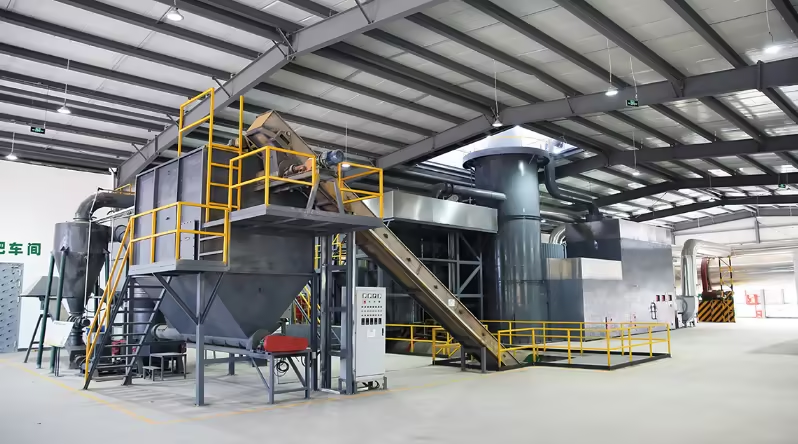
Turning waste into energy isn’t just about disposal—it’s a strategic choice that rewires how we think about resource loops. Every discarded scrap, from agricultural residue to urban biomass, holds untapped potential that can be converted into clean electricity, reducing landfill dependency and stabilizing local grids.
By integrating circular economy principles with smart grid technology, we’re designing systems where today’s waste directly fuels tomorrow’s homes and industries. This blueprint isn’t theoretical; it’s built on decentralized power models that cut transmission losses, enhance energy security, and give communities a direct stake in their own supply chain.
The result is a regenerative framework where environmental stewardship and reliable power generation reinforce each other. Waste becomes a perpetual feedstock, not an endpoint—making the grid not only greener but genuinely responsive to the shifting demands of modern life.
Capturing Carbon While Creating Value
Turning emissions into revenue isn’t just an environmental imperative—it’s a strategic pivot. By embedding carbon capture directly into industrial processes, companies are transforming waste CO₂ into raw materials for concrete, fuels, and polymers. This approach sidesteps the traditional trade-off between profitability and sustainability, opening new markets while actively reducing atmospheric carbon.
The economics become compelling when captured carbon streams are matched with nearby demand. A cement plant’s emissions can feed a greenhouse, boosting crop yields; a steel mill’s exhaust can produce synthetic limestone for construction. These symbiotic systems build resilience, cut supply chain costs, and create value that resonates with investors and customers who increasingly reward circular thinking.
Innovation in capture technology is lowering the energy penalty and shrinking equipment footprints, making deployment feasible at smaller scales. This democratization allows a wider range of industries to participate, from brewing to waste management. The real value, however, lies in the multiplier effect: every ton of carbon put to use displaces virgin resource extraction, generates fresh revenue, and moves the needle toward a regenerative economy.
Engineering a Future Without Waste
Imagine a world where every product is designed to be taken apart and reborn. This isn't a distant fantasy—it's the guiding principle of a new generation of engineers who see materials as nutrients, not trash. By rethinking how we make things from the molecular level up, we're closing loops that have been leaking value and toxins for decades. Instead of simply managing waste, we're designing it out of existence, creating systems where one industry's byproduct becomes another's raw material.
The shift goes beyond recycling bins and compost heaps. It's about embedding circular intelligence into everything from smartphones to skyscrapers. Engineers are now using digital twins to track materials across their entire lifecycle, ensuring that nothing slips into landfill without a fight. Modular components, standardized connectors, and material passports make it possible to upgrade a laptop or repurpose a building façade without the guilt of demolition waste. This is precision engineering meeting ecological common sense.
Perhaps the most exciting frontier is biomimicry—learning from nature's zero-waste playbook. Mycelium-based packaging that returns to the soil, enzymes that eat plastic, and color without toxic dyes are all proof that we can create abundance without depletion. The future isn't about doing less harm; it's about designing systems that actively regenerate. When waste becomes a design flaw rather than an inevitability, every product becomes a temporary arrangement of molecules waiting for their next assignment.
Not Just Machines: A Partnership for Planet Profit
In a world where automation often feels cold and impersonal, we’re proving that technology can have a beating heart. This isn’t about swapping people for processors—it’s about forging a relationship where human ingenuity and machine precision work hand in hand, not just to boost the bottom line, but to nurture the planet that sustains us all. Every algorithm we write, every robot we deploy, is designed with the understanding that profit means little on a depleted world. That’s why our approach intertwines efficiency with ecology, turning data centers into guardians of green energy and logistics into low-carbon lifelines.
Think of it as a pact between progress and preservation. Our systems don’t simply execute tasks; they learn, adapt, and optimize for minimal waste. From smart sensors that slash water usage in agriculture to AI-driven supply chains that cut emissions at every link, we’re building a network where every gain in productivity is also a step toward sustainability. It’s a symbiotic cycle: healthier ecosystems fuel more resilient economies, and smarter machines help us safeguard both. The result? A partnership where the planet itself becomes a stakeholder, profiting from every decision we automate.
This vision extends beyond our own operations. We’re inviting businesses, communities, and innovators to join a movement where technology serves as a bridge—not a barrier—between commerce and conservation. Imagine factories that regenerate the air they use, servers that donate waste heat to warm homes, and algorithms that prioritize repairing the natural world. That’s the future we’re coding into existence, one partnership at a time. Because true profit isn’t measured in quarterly reports, but in clean rivers, thriving forests, and a stable climate shared by all.
Turning Trash into Treasure with Modular Pyrolysis
Modular pyrolysis flips the script on waste management by breaking down plastics, tires, and biomass into valuable resources right where they're collected. Instead of hauling trash to distant mega-plants, compact units can be deployed at landfills, industrial sites, or even remote communities. The process heats material in an oxygen-starved environment, producing char, oil, and syngas that can power engines, heat buildings, or feed back into manufacturing. It’s a practical, low-fuss solution that slashes transport costs and curbs reliance on fossil feedstocks, all while tackling the mounting problem of non-recyclable rubbish.
What sets this apart is the plug-and-play nature of the systems. A module the size of a shipping container can be up and running in days, scaled horizontally by simply adding more units as waste streams grow. Operators can fine-tune temperature and residence time to coax out more diesel-range liquid or boost char quality for carbon sequestration projects. This adaptability means a single platform can serve a farm cooperative one day and a disaster-relief camp the next, turning a messy liability into a steady stream of marketable outputs without the headache of massive infrastructure builds.
Beyond the balance sheet, there’s a quiet environmental elegance at work. By locking carbon into stable biochar or displacing virgin crude with pyrolysis oil, the cycle sidesteps the landfill methane and incinerator emissions that haunt traditional disposal. Communities see not just cleaner streets but a tangible return—maybe it’s the diesel-like fuel running a local generator or the char enriching exhausted soils. It’s a patchwork of small wins, each unit softly undermining the idea that garbage is the end of the line.
FAQ
We design and manufacture advanced pyrolysis systems that convert various waste streams into usable energy, focusing on efficiency and environmental responsibility.
Unlike incineration, our process thermally decomposes materials in an oxygen-free environment, which prevents harmful emissions and recovers valuable resources instead of just destroying waste.
Our equipment processes a wide range of feedstocks, including plastic waste, scrap tires, biomass, and municipal solid waste, all without requiring special sorting or pretreatment.
Depending on the feedstock, we can generate high-purity syngas, liquid fuels like pyrolysis oil, and solid char that can be further refined or used for soil amendment.
It creates a closed-loop cycle by turning waste that would otherwise go to landfills or oceans into energy and raw materials, significantly reducing carbon footprint and reliance on fossil resources.
Yes, we offer modular units that range from containerized systems for small communities or remote sites to large-scale plants capable of processing hundreds of tons per day.
Our systems use a patented heat-recycling design that reuses syngas to sustain the reaction, minimizing external energy input and maximizing output efficiency.
We offer comprehensive after-sales support including remote monitoring, on-site training, spare parts supply, and performance optimization advice to keep operations running smoothly.
Conclusion
This company rethinks waste-to-energy with pyrolysis equipment that leaves incineration behind. Instead of burning, they heat materials in the absence of oxygen to produce fuel, drastically cutting emissions. Their modular systems slot into existing workflows easily, turning municipal solid waste, plastics, and biomass into synthetic gas or liquid fuels at a local level. It’s a tangible step toward a grid powered by what we discard—where a city’s trash can actually stabilize local energy supply. The approach isn’t theoretical; it’s built around portable, scalable units that adapt to different waste streams without massive infrastructure overhauls.
Beyond the hardware, the company embeds carbon capture right into the process, sequestering CO2 while generating revenue streams from biochar or carbon credits. This dual-purpose engineering turns a waste problem into a profitable resource loop. They treat clients as long-term partners rather than one-time buyers, sharing operational insights and co-designing systems that evolve with a community’s needs. It’s a full-circle strategy that combines technical precision with genuine collaboration, proving that handling waste responsibly can boost both environmental goals and the bottom line. In a world drowning in refuse, this isn’t just machinery—it’s a shared blueprint for a future without waste.
Contact Us
Contact Person: Ellen Zhang
Email: [email protected]
Tel/WhatsApp: +86(21) 2287 6756
Website: https://www.tundrr.com/en/