

LED Grille Light Bulb Wholesale: A Complete Purchasing Guide for Distributors
2026-08-25
Why do so many wholesale buyers end up with LED grille light bulbs that underperform or arrive damaged? It’s rarely the product itself—it’s the sourcing. This guide cuts through the noise and lays out exactly what distributors need to check before placing a bulk order. From lumen consistency to thermal design, the wrong choice can quietly eat into your margins. With a partner like LUXFIGHTER, you’re not just buying bulbs; you’re securing a supply chain that actually holds up. Let’s walk through the key factors that separate a smart purchase from a costly mistake.
What Distributors Overlook When Sourcing LED Grille Light Bulbs
Many distributors fixate on lumen output and wattage equivalency, but the real headaches surface later: beam angle inconsistency across batches, or housings that trap heat and shorten diode life before the warranty ends. A fixture might look fine on a spec sheet, yet fail in retrofit scenarios where the existing grille has a narrow throat or shallow depth.
Another overlooked factor is the quality of the diffusing lens. Low-cost polycarbonate yellows within months under continuous use, shifting the color temperature visibly. Distributors who skip accelerated UV testing end up fielding complaints about mismatched light colors between adjacent fixtures in the same showroom or parking structure.
Finally, packaging and labeling rarely get audited until a bulk shipment arrives with crushed corners or missing voltage markings. Small omissions like absent CE or UL file numbers on the lamp body can stall entire container clearances, forcing costly rework or returns that erase the margin from the deal.
Reading Between the Specification Lines: Lumen Output, Beam Angle, and Heat Dissipation
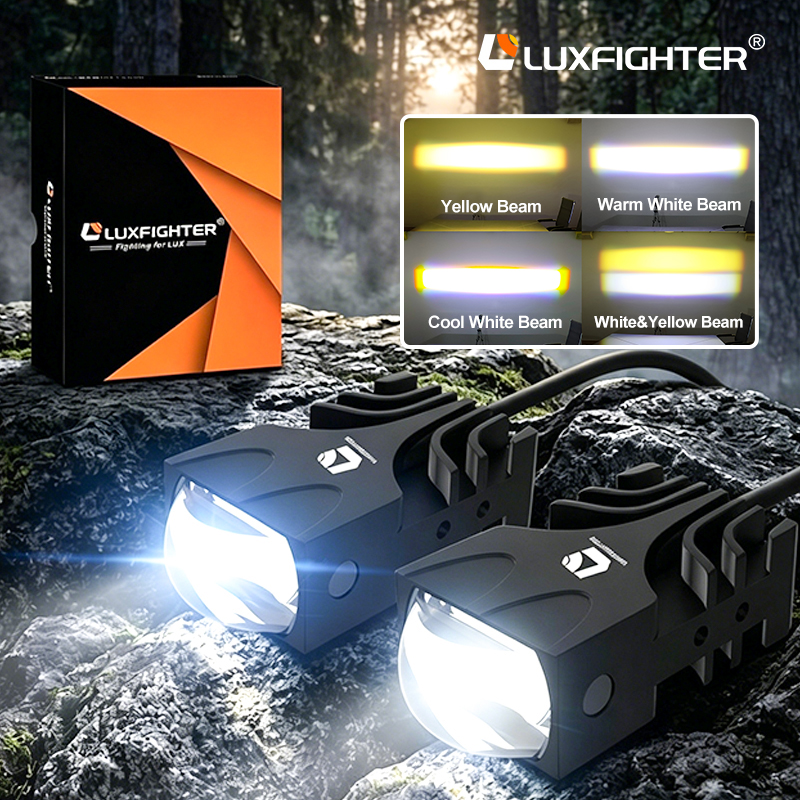
Lumen output gets treated like the headline number, but it rarely tells you how much light actually lands where you need it. A fixture can post impressive raw lumens while wasting a big chunk through poor optics or a diffuser that scatters light everywhere except the work surface. Before comparing two products, try to find delivered lumens in the target zone, not just the total luminous flux. The gap between those two figures is often the difference between a space that feels bright and one that merely looks bright on paper.
Beam angle is another number that quietly shifts depending on who measured it and how. Some brands quote the full width at half maximum intensity, others use the point where output falls to ten percent, so two lamps labeled as 40 degrees can behave nothing alike in a real room. If you can find polar curves or photometric files, spend a minute with them. Otherwise, think about beam angle in context: a narrow beam may create a hot spot on one wall while leaving the rest of the room dim, and a wide beam can wash out texture if it is placed too far from the surface.
Heat dissipation rarely appears on the front of a spec sheet, but it determines whether the lumen number means anything a year from now. LED junction temperature drives both lumen depreciation and color shift, so a fixture with a weak thermal path can pass an initial output test and then fade noticeably within months. Look for realistic lifetime ratings tied to specific ambient temperatures, and pay attention to heatsink mass, driver efficiency, and ventilation. If a manufacturer is vague about thermal management, treat its lumen and beam claims with a healthy dose of caution.
Supplier Vetting Beyond the Factory Tour: Certifications, Lead Times, and Payment Terms
Walking through a production floor tells you very little about whether a supplier can actually deliver on paper. Certifications are the first thing to pull apart. An ISO 9001 certificate hanging by the entrance means nothing until you check its scope, validity, and issuing body. Too many factories let certificates lapse, or hold one that covers only a small part of their operation. Ask for the certificate number and verify it online. Look for industry-specific credentials—such as BSCI for social compliance or REACH for restricted substances—and match them against the products you are actually buying. A supplier with a wall full of logos but no paperwork to back them up is a red flag you cannot afford to ignore.
Lead times are where vague promises collapse. Instead of asking “how fast can you make it,” ask how much capacity they have right now, what their current order backlog looks like, and where your order would sit in the queue. A factory running at 98% utilisation will quote you a short lead time just to win the job, then push your production out when a bigger customer calls. Dig into their raw material purchasing cycle, tooling preparation, and the gap between sample approval and mass production. If they cannot explain what happens when a key material is late or a machine breaks down, you are not looking at a reliable partner—you are looking at a schedule that exists only in a spreadsheet.
Payment terms reveal more about a supplier's financial health than any tour. A factory that demands 50% upfront and the balance before shipment may be struggling with cash flow, or it may simply not trust you yet. Either way, that changes your risk. Standard 30/70 terms are common, but pushing for net 30 or net 60 after delivery requires a supplier with enough working capital to float your order. Always verify bank account details against the company's registered name and address—invoice fraud and account switching are real problems. Tie payments to verifiable milestones, not just dates, and be wary of any supplier that offers unusually flexible terms without a solid credit history behind them.
Shipping and Packaging Considerations That Protect Thin Bezels and Lens Covers
Thin bezels fail quickly when a box gets dropped on its corner. The edge of a display is where the glass meets the frame, and any point pressure there can turn a small drop into a cracked panel. For shipping, cut custom foam end caps that cradle the device along its top and bottom edges, not across the thin bezel itself. Leave a 3–5 mm air gap between the bezel and the nearest cardboard wall so the frame never takes a direct hit.
Lens covers need a different approach. Many covers are small sliding or flip components that can get scratched or jammed if they rub against loose fill. Wrap the lens area with a low-tack film first, then place a rigid plastic or molded pulp shield over the camera module. This shield should sit proud of the surrounding surface so nothing presses the cover during transit. Avoid using foam peanuts anywhere near the lens or bezel edges.
The outer carton should be double-wall and slightly oversized, leaving room for shock buffers but not so much that the product shifts. Use air pillows around the perimeter to control lateral movement. Mark the box with handling icons, but keep tape and shipping labels off the areas that align with bezel edges, since removing tape later can flex the frame. A well-packed unit should feel solid when shaken but still have give at the corners.
Pricing Tiers That Leave Room for Your Own Margin Without Sacrificing Quality
Most pricing structures force a choice between healthy margins and quality that holds up over time. The tiers here are built differently. Each level gives you enough breathing room to set your own markup without pushing the final price beyond what clients expect to pay for dependable work. You won't find filler features or inflated bundles—just clear options that let you pick a starting point and still keep the finished product something you're proud to attach your name to.
A common trap is paying for access to premium materials or tools that barely influence the end result. These tiers avoid that by focusing on what actually changes the outcome: better source components, tighter revision cycles, and real support when things go sideways. The middle option usually offers the best balance for most independent shops, but even the entry level doesn't feel stripped down. It's built to let you deliver solid work while leaving a margin that makes the project worth taking on.
What separates these tiers isn't a list of gated perks—it's how they treat your time. Faster turnaround windows, fewer handoffs, and clearer ownership of the final assets mean you spend less effort managing the process and more on the parts clients notice. That efficiency is where your margin quietly grows, without ever asking you to cut corners or lower the bar on what you deliver.
Future-Proofing Inventory: Dimmable Drivers, Tunable White, and Smart-Ready Options
Stocking dimmable drivers isn't just about offering a dimming feature—it's about making sure the fixtures you carry will work across a broad range of wall controls and building management systems without callbacks. Look for drivers with wide compatibility ranges (0-10V, DALI, or phase-cut) and low minimum dimming levels, because a fixture that flickers at 10% will end up costing you more in returns than you saved on the spec.
Tunable white adds another layer of adaptability, especially for offices, healthcare, and residential projects where the client wants to shift from a cool morning light to a warm evening glow. Rather than stocking separate fixed-CCT SKUs, consider fixtures that let the installer adjust color temperature on-site or via an app. That reduces the number of product lines you need to warehouse while giving designers the freedom to fine-tune the atmosphere after installation.
Smart-ready options should not lock you into a single proprietary platform. The most future-proof inventory includes fixtures with standard protocols like Bluetooth mesh, Zigbee, or Thread, or at least a readily swappable smart module. That way, if a project switches from one control ecosystem to another, you can adapt with a simple component change instead of replacing the entire luminaire.
FAQ
Look beyond the spec sheet. Ask for a tear-down sample of the grille bulb and inspect the LED chip brand, the driver capacitor rating, and how the heat sink is attached to the housing. Many private-label suppliers use the same outer shell, but the internals decide whether you'll get returns in six months or not.
It's one of the biggest hidden issues in commercial lighting. A batch can pass individual lumen tests but still look noticeably different when installed side by side. Ask the factory for their binning policy and request a sample of five bulbs from different production dates, not just from the same carton. If they can't provide that, expect color shift complaints from end users.
For most markets, ask for UL or ETL listing for North America, CE and RoHS for Europe, and SAA for Australia. Don't just request the certificate; get the actual test report number and verify it on the certifying body's website. Some suppliers will show a valid certificate for an older model and ship you an updated design that was never tested.
Suppliers often quote a low MOQ per model but then charge extra for mixed container loading or require you to take full carton quantities per color temperature. Clarify whether the MOQ applies per item or per order. On lead time, confirm if the stated days are working days or calendar days, and ask what happens during Chinese New Year or peak season, because that's when most delays occur.
Yes, but you need to separate the cost of the box from the cost of printing. Many factories will let you use your own logo on a standard box for a small plate fee, while fully custom packaging design often has a minimum order of 3,000-5,000 pieces. Ask for the exact plate charge and whether it's reusable for future orders.
Ignore the '50,000 hours' headline on the datasheet. Ask for the TM-21 test report or at least the LM-80 data for the LED chips used. Also check what ambient temperature that lifespan is based on. A bulb that lasts 50,000 hours at 25°C might fail at 15,000 hours inside a sealed grille fixture running at 60°C.
A 3-year warranty is standard for well-built grille bulbs, while 5 years is becoming more common for premium lines. But the warranty is only as good as the replacement process. Ask if they will credit your account, send replacement units with your next order, or require you to ship failed units back at your cost. Also check whether the warranty covers the driver separately from the LED module.
Conclusion
Many distributors jump straight into price comparison and miss the quieter details that later eat into returns and support tickets. A bulb that looks identical on a spec sheet can behave very differently once mounted in a shallow ceiling cavity, so it pays to read lumen output alongside beam angle and thermal design rather than treating them as separate boxes to tick. Heat dissipation, in particular, is what determines whether a grille light keeps its color consistency after six months of daily use. Beyond the unit itself, the supplier’s paperwork often matters more than the factory tour. Look for up-to-date safety certifications, realistic lead times that account for component delays, and payment terms that give you leverage if a batch arrives with damaged bezels or flickering drivers. The most reliable partners don’t just show you a clean floor—they send you the test reports and the warranty process before you ask.
Packaging is another area where wholesalers win or lose money silently. Thin bezels and polycarbonate lens covers survive the journey only if the cartons are designed for stacked pallets and rough last-mile handling, so ask for drop-test data instead of assuming foam inserts are enough. On the commercial side, tiered pricing should reflect not just order volume but also the cost of returns, spare parts, and your own warranty reserve. A bulb that is ten cents cheaper but twice as likely to crack in transit is not a better deal. Finally, stock the versions that keep you relevant: dimmable drivers as standard, tunable white for offices that shift color temperature by time of day, and smart-ready options that can be retrofit with sensors or wireless controls later. Distributors who lock in these features now avoid clearing out obsolete inventory in two years.
Contact Us
Contact Person: Gavin Chen
Email: [email protected]
Tel/WhatsApp: (+86)756-6831079
Website: https://www.luxfighter.com/