

LED Motorcycle Light Bulb Manufacturer Shares Expert Tips for Choosing a Long-Lasting Bulb
2026-08-22
When your motorcycle's headlight flickers out on a dark highway, you quickly learn that not all LED bulbs are built equal. At LUXFIGHTER, we've spent years engineering lighting that holds up to vibration, weather, and long rides—and we're sharing the insider criteria that separate a bulb that lasts one season from one that lasts for years. Before you click "buy" on the next shiny option, here's what actually matters for long-term performance.
Brightness Alone Won't Save You on a Night Ride
Most riders assume that the more lumens their headlight cranks out, the safer they’ll be after dark. But raw brightness can actually work against you. A blinding beam bouncing off wet asphalt or fog creates a white wall of glare that kills your depth perception. You end up seeing less of the road, not more, because your eyes have to constantly adjust between harsh hotspots and pitch-black shadows. In real night riding, a well-tuned 400-lumen light with a clean beam pattern often beats a 2000-lumen flood that scatters light everywhere except where you need it.
The shape and cutoff of your light matter far more than the number on the box. A proper bike light should put a wide, even pool on the road ahead without spraying light upward into the eyes of oncoming cars or fellow cyclists. Look for lights with a defined horizontal cutoff—similar to a car’s low beam—and a gentle gradient from bright center to darker edges. If your beam has a hard-edged rectangle or a weird hot ring, you’ll miss potholes lurking just outside that bright patch. Side visibility is another often-ignored factor: many “bright” lights are nearly invisible from the side, which is where most intersection collisions originate.
Brightness is only one slice of staying alive on a night ride. Your own speed needs to drop because braking distances feel longer when you can’t see far ahead. A rear light with a pulsing or irregular flash pattern does more to catch a driver’s attention than a steady high-output taillight. Reflective strips on your ankles, pedals, and helmet break up the human silhouette in a way drivers recognize faster. Instead of chasing the lumen race, treat your lighting as a system: low-glare front beam, side-visible markers, and a rear light that screams “bicycle” rather than “another red dot in traffic.”
Why Cheap Bulbs Die Young (And How to Avoid That Mistake)
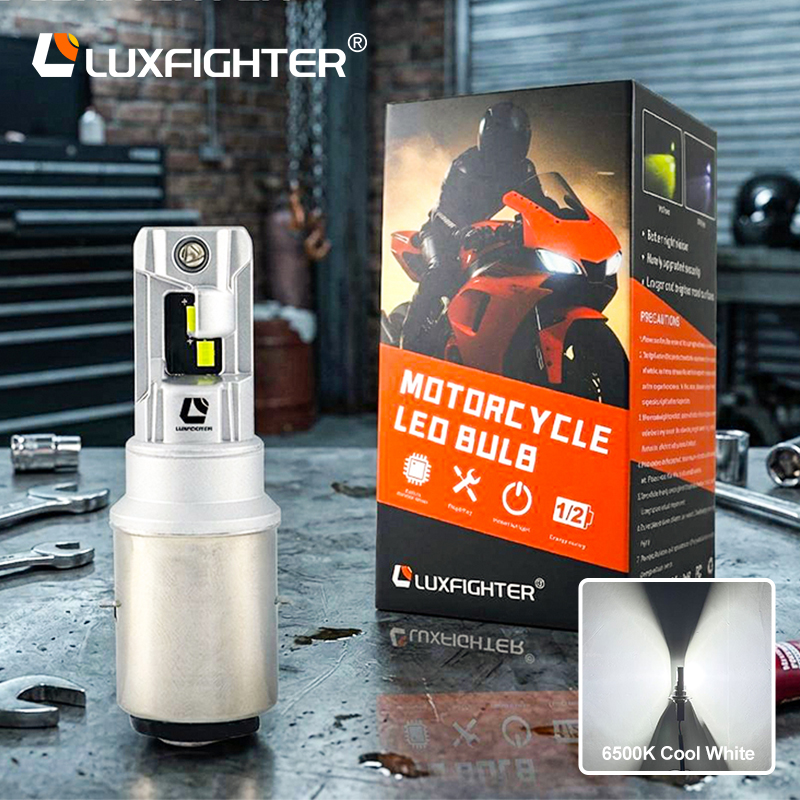
The reason most budget bulbs fail early isn't a mystery—it's usually the filament. In inexpensive incandescent or halogen options, the tungsten wire is thinner and often has inconsistent diameter. When current flows, hot spots develop where resistance is slightly higher, and those spots burn through long before the bulb's advertised lifespan. Even small voltage swings in your home can push a weak filament past its breaking point.
Heat is the second killer. Cheap bulbs often use minimal heat sinking or low-grade glass that doesn't dissipate thermal energy well. In enclosed fixtures or recessed cans, temperatures climb fast, degrading the adhesive that holds the base and accelerating evaporation of the filament material. LED bulbs aren't immune: budget LEDs may skip proper driver circuitry, causing capacitors to fail after a few hundred hours instead of tens of thousands.
To avoid buying replacements every few months, look beyond the wattage and price tag. Choose bulbs with a stated lifespan of at least 10,000 hours for incandescent or 25,000 hours for LED. Check that the base and housing feel solid, and if you're using them in enclosed fixtures, pick a model rated for that environment. Paying two or three dollars more per bulb usually buys a thicker filament, better heat management, and a driver that won't quit after the first summer heat wave.
The Heat Problem Nobody Talks About Until It's Too Late
Heat doesn't announce itself with shattered roofs or rising floodwater. It seeps into bedrooms at 2 a.m. and turns sleep into a slow drip of exhaustion. Most people don't realize their body is losing the cooling battle until confusion sets in—by then, the damage is already underway. This is the quiet crisis: not a dramatic event, but a background hum that gets louder only when someone collapses.
The danger is amplified in cities where asphalt and concrete hold the day's warmth like a battery. Nighttime offers little relief, especially for the elderly, outdoor workers, and those without air conditioning. A single hot afternoon is manageable; a week of nights above 80°F is not. The body never gets a chance to reset, and the risk of organ failure climbs steeply.
What makes it harder to address is that heat rarely leaves a visible scar. There are no before-and-after photos for a heatstroke victim. So communities delay warning systems, landlords skip insulation, and individuals convince themselves they can push through one more day. The problem isn't that we can't predict extreme heat—it's that we treat it like an inconvenience until someone dies from it.
Fitment Errors That Shorten Bulb Life More Than You Think
Most bulbs don't fail because they've burned through their rated hours—they fail because they were never seated properly in the first place. A loose or misaligned base creates tiny gaps where current arcs, heating the contact points and slowly cooking the driver or filament. The same goes for pushing a bulb in with too much force: a cracked solder joint or bent pin might still light up, but it introduces resistance that quietly eats away at lifespan.
Then there's the mismatch problem. Using a bulb that physically fits but wasn't designed for the housing—like a taller LED in a shallow enclosed fixture or a standard A19 in a high-vibration garage door opener—forces components to operate outside their thermal or mechanical limits. Vibration loosens connections over time, and trapped heat degrades capacitors. Even something as simple as forgetting to tighten a retaining ring or reusing an old, corroded socket can turn a "long-life" bulb into a six-month disappointment.
What a Manufacturer Looks for in a Bulb That Actually Lasts
A bulb that earns a manufacturer's trust starts with thermal design, not just the LED chip. Heat is the silent killer of solid-state lighting, so the housing, heat sink, and even the potting compound around the driver all get scrutinized. If the junction temperature can't be held below the rated threshold under worst-case enclosed fixtures, the bulb gets rejected before it ever reaches a production line.
Beyond thermals, the driver board tells you most of what you need to know. Electrolytic capacitors are often the first component to fail, so their temperature rating, ripple current margin, and brand matter more than the nominal lumen output. A manufacturer will look for drivers with a comfortable voltage headroom, robust solder joints, and protection against line transients—details that never appear on a retail box but decide whether a bulb makes it past the first year.
Finally, consistency across the production run matters as much as any single sample. Binning tolerances for LEDs, repeatable assembly processes, and incoming material checks are what separate a bulb that lasts from a batch that develops early failures in the field. A manufacturer isn't just buying a bulb; they're buying the confidence that ten thousand units will behave the same way over time.
The Simple Maintenance Habit That Doubles Bulb Lifespan
Most people never think about their light bulbs until one flickers out, but a simple habit can double how long they last: dust them once a month. A thin layer of dust acts like a blanket, trapping heat inside the bulb. That extra heat forces the filament or LED components to work harder and degrade faster. A quick wipe removes the buildup and keeps the bulb running cooler, which directly extends its usable life.
The right way to clean a bulb is easier than you might think. Turn off the light and let the bulb cool completely before touching it. Use a dry microfiber cloth for dusty bulbs, or a slightly damp cloth for greasy kitchen bulbs—just make sure no moisture gets into the socket. For recessed or high fixtures, a long-handle duster works fine. Avoid spraying cleaner directly on the bulb, and never wipe a hot bulb because the temperature shock can crack the glass.
Combine that dusting habit with a quick check of the fixture while you are there. Make sure the bulb is screwed in snugly but not forced, and confirm the bulb wattage matches the fixture rating. Loose connections cause flickering and overheating, which shortens bulb life just as much as dust. Together, these two habits—cleaning and checking the socket—can keep the same bulb glowing twice as long as one that is ignored.
FAQ
A lot comes down to heat management. Halogen bulbs throw off a huge amount of heat, which slowly degrades the filament. A well-built LED bulb uses a heat sink or even a small fan to pull heat away from the chip, so the electronics stay cool and last tens of thousands of hours longer.
Very. Avoid cheap plastic housings that warp or yellow after a few months. Look for aluminum or zinc alloy bodies—they act as the main heat sink and can take vibration without cracking. Some brands also add a braided sleeve over the wiring to resist chafing.
Absolutely. Bikes have noisy electrical systems, especially older models. A bulb with a built-in driver that handles a wide input range (like 9–32 volts) will survive cranking surges and regulator hiccups. If the bulb's driver chip is undersized, it will burn out quickly.
Not at all. In fact, pushing emitters too hard shortens their life. A good manufacturer balances lumens with thermal load. Look for a bulb that lists its actual operating current and has a conservative rating—brighter is fine, but only if the cooling design keeps up.
Check the base type (H4, H7, etc.) and the space behind the headlight. Some LED bulbs have a large heat sink or fan that won't fit inside a compact housing. Also verify the polarity adapter and dust cover clearance—if it blocks airflow, the bulb will overheat.
Mostly yes, but not because of the price itself. You're paying for better thermal design, higher-quality emitters, and proper driver circuits. A $10 bulb might use a thin aluminum PCB that de-laminates. A $40 bulb from a manufacturer that focuses on motorcycle lighting will often include overheat protection and vibration testing.
Huge. Even a small amount of moisture inside the headlight can corrode solder joints and fog the lens. Look for an IP65 or higher rating on the bulb itself, and make sure the rubber boot seals properly. Some bulbs add a breathable membrane to equalize pressure without letting water in.
Not really a break-in, but you should clean the bulb base with alcohol before install, avoid touching the LED chips with bare fingers, and make sure the connector is fully seated. Vibration is the other killer—use the included anti-flicker harness or zip-tie the wiring so it doesn't bounce against the fairing.
Conclusion
When riders shop for an LED motorcycle headlight, they often fixate on lumen numbers, assuming maximum brightness guarantees safe night rides. That’s only half the story—poor beam pattern or excessive glare can actually reduce your ability to see road hazards, no matter how intense the light looks. Another trap is bargain bulbs that use low-grade emitters and flimsy driver circuits; they may shine for a few weeks, then flicker or die entirely after a hard bump or voltage spike. Heat is the silent killer nobody discusses until it's too late. A bulb without serious thermal management—like copper-core boards, heat sinks, or active cooling—traps heat around the LED junction, causing rapid lumen depreciation and early failure. The manufacturer's advice: look for bulbs with verified cooling design, not just wattage claims, because heat, not usage, usually ends a cheap bulb's life.
Fitment mistakes also shorten lifespan more than riders realize. A bulb that doesn't seat fully in the housing or requires forcing can stress the base, damage seals, and let moisture inside. Even a small gap invites vibration and corrosion that gradually kill the electronics. When a manufacturer tests bulbs for longevity, they inspect solder quality, vibration resistance, waterproof ratings, and driver efficiency under real-world temperature swings—not just lab conditions. And the simplest habit that can double bulb life? Clean the lens and check connections every few hundred miles. Dust and oxidation on the lens make you run the bulb at higher brightness for longer, increasing heat load. Loose connectors cause voltage drops that overwork the driver. A quick wipe and a firm plug check after washing the bike or riding in rain keeps the bulb cool and stable long after cheaper alternatives have burned out.
Contact Us
Contact Person: Gavin Chen
Email: [email protected]
Tel/WhatsApp: (+86)756-6831079
Website: https://www.luxfighter.com/