
Mastering Metal Roofing: Expert Tips from a Leading China Standing Seam Machine Manufacturer
2026-09-10
In the world of construction, mastering the art of metal roofing is a game-changer for durability, efficiency, and aesthetics. As you explore expert tips from a leading standing seam machine manufacturer in China, you'll uncover insights that can transform your projects. At Beenew, we're passionate about sharing cutting-edge techniques and innovations to help you excel. This blog delves into practical advice, industry secrets, and real-world applications that set us apart. Ready to elevate your roofing skills? Let's dive in and discover what makes a difference in this dynamic field.
Choosing the Right Standing Seam Machine for Your Roofing Needs
When it comes to installing or replacing a metal roof, selecting the appropriate standing seam machine is crucial for achieving a durable and aesthetically pleasing finish. These machines are designed to form precise, interlocking seams that enhance weather resistance and structural integrity. To make the right choice, consider factors such as the machine's capacity to handle various metal gauges, its compatibility with different coil widths, and the ease of setup and operation. A well-suited machine not only streamlines the installation process but also ensures that the roof meets industry standards for performance and longevity.
Beyond basic specifications, it's essential to evaluate the machine's versatility in adapting to different roof profiles and slopes. Some models offer adjustable features that allow for customization to specific project requirements, such as varying seam heights or patterns. Additionally, look for machines that incorporate advanced features like automated controls or ergonomic designs, which can reduce labor time and minimize errors during installation. This attention to detail helps in tailoring the equipment to your unique roofing scenarios, ensuring a seamless fit and enhanced durability over time.
Finally, don't overlook the importance of support and maintenance when choosing a standing seam machine. Opt for models from reputable manufacturers that provide comprehensive training, readily available spare parts, and responsive customer service. This ensures that any operational issues can be quickly resolved, minimizing downtime and protecting your investment. By carefully assessing these aspects, you can invest in a machine that not only meets your immediate needs but also adds value to your roofing projects through reliable performance and long-term efficiency.
Essential Maintenance Tips to Extend Roofing Equipment Lifespan
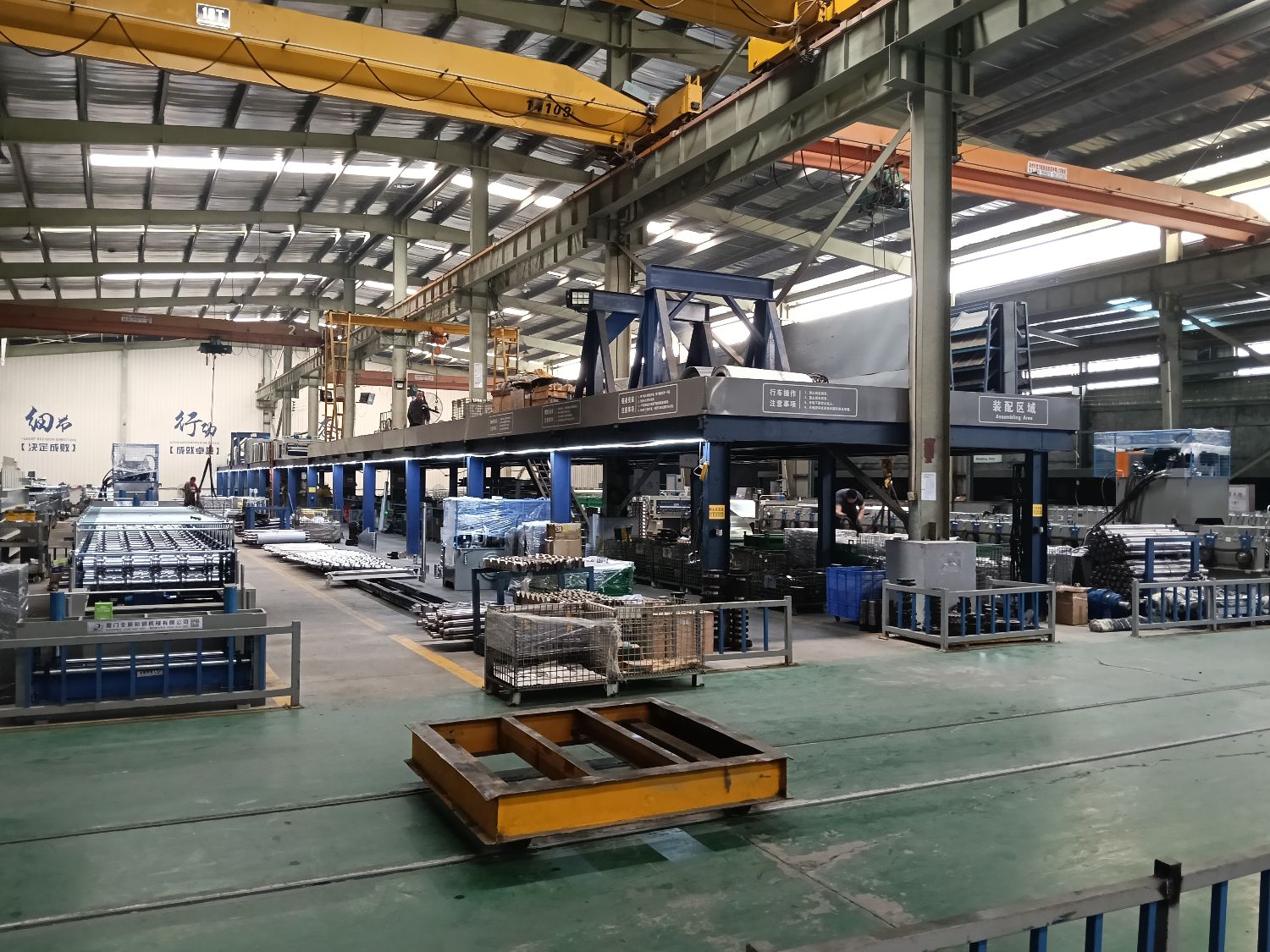
Regular cleaning is crucial for keeping roofing gear in top shape. After each job, take a few minutes to wipe down tools like nail guns and shingle cutters to remove debris and moisture. This simple step prevents rust and ensures smooth operation, saving you from costly repairs down the line.
Inspecting your equipment before and after use can catch minor issues early. Check for loose bolts on ladders, worn blades on saws, or frayed cords on generators. Addressing these problems immediately not only prolongs the life of your tools but also enhances safety on the job site, making your work more efficient.
Proper storage plays a key role in equipment longevity. Store items in a dry, sheltered area to shield them from harsh weather. For example, keep tarps and sealants away from direct sunlight to prevent degradation. By maintaining an organized storage system, you'll reduce wear and tear, ensuring your roofing gear remains reliable for years.
Innovative Features in Modern Metal Roofing Machinery
Modern metal roofing machinery integrates advanced automation systems that streamline production from coil to finished panel. These machines often feature servo-driven controls, allowing for precise adjustments in panel length, width, and profile shape, which enhances consistency and reduces material waste. Additionally, real-time monitoring via touchscreen interfaces provides operators with instant feedback on performance metrics, enabling quick troubleshooting and minimizing downtime on job sites.
Another key innovation is the incorporation of smart sensors that detect variations in material thickness and quality during the rolling process. This technology automatically adjusts pressure and speed to compensate for irregularities, ensuring a smooth, high-quality finish without manual intervention. Such systems not only improve productivity but also extend the lifespan of the machinery by preventing wear and tear from inconsistent materials.
Moreover, recent developments include energy-efficient designs, such as regenerative braking systems that recapture kinetic energy during operation. These features lower operational costs and align with sustainability goals in construction industries. By combining precision engineering with eco-friendly advancements, modern metal roofing machinery offers a competitive edge for contractors seeking reliability and innovation in their projects.
Common Installation Mistakes and How to Avoid Them
One frequent error when installing software or hardware is skipping the pre-installation checks. Often, users dive right into the setup without verifying system requirements or ensuring dependencies are in place. This oversight can lead to crashes, incomplete installations, or compatibility issues down the line. To avoid this, always review the official documentation thoroughly before starting. Create a checklist of prerequisites like operating system versions, available disk space, and necessary drivers, and tick them off one by one. It might seem tedious, but this proactive step saves hours of troubleshooting later.
Another common pitfall is improper handling of configuration settings during installation. Many installations come with default options that aren't optimized for every user's environment. If you blindly accept these defaults, you might end up with a system that's slow, insecure, or missing key features. Avoid this by taking the time to customize the settings as you go—adjust paths, select relevant components, and set up user permissions thoughtfully. Remember, a few extra minutes spent tweaking configurations now can result in a smoother, more efficient setup that aligns perfectly with your needs.
Finally, overlooking post-installation verification often causes headaches. After the installation process seems complete, users might assume everything's fine without testing the installation. This can mask underlying issues like missing files, incorrect permissions, or integration failures with other software. To prevent this, immediately after installation, run a quick test or diagnostic. For instance, launch the application to check if it functions correctly, or verify that all expected files are in place. This simple habit ensures you catch any problems early, making it easier to address them before they escalate.
Cost-Effective Strategies for Metal Roofing Projects
When tackling a metal roofing project, savvy planning can keep costs in check without compromising on quality. Start by assessing your specific needs—consider factors like local climate and building usage to choose the right material type, such as galvanized steel or aluminum, which offer durability and energy efficiency at varying price points. Don't skip on insulation; investing in proper underlayments can reduce long-term energy bills and extend the roof's lifespan, making it a smart upfront expense.
To maximize savings, think beyond the initial quote. Explore options like reclaimed or surplus metal panels, which often come at a discount and still perform well if inspected for damage. Timing your project during off-peak seasons, like late fall or early winter, can lead to lower labor rates and better availability of contractors. Additionally, consider a phased approach if the budget is tight, addressing critical areas first and spreading out the work over time.
Maintenance plays a key role in cost-effectiveness over the years. Regular inspections for loose fasteners or minor corrosion can prevent costly repairs down the line. Opting for reflective coatings or cool-roof systems might have a higher initial cost but can slash cooling expenses in hot climates. Remember, a well-executed metal roof isn't just an expense—it's an investment that pays off through reduced upkeep and enhanced property value.
Industry Trends Shaping Future Roofing Solutions
The roofing industry is witnessing a transformative shift driven by the urgent need for sustainability and technological innovation. As climate change intensifies, homeowners and businesses are increasingly prioritizing eco-friendly materials, such as cool roofing systems that reflect sunlight and reduce energy consumption. This trend is not just a passing phase but a fundamental rethinking of how roofs can contribute to environmental stewardship.
Beyond sustainability, smart technology is revolutionizing roofing solutions with integrated sensors and IoT connectivity. These advancements allow for real-time monitoring of roof conditions, detecting leaks or damage before they escalate. This proactive approach minimizes repair costs and extends the lifespan of roofing structures, making it a game-changer for industries reliant on stable infrastructure.
Another emerging trend is the rise of modular and prefabricated roofing systems, which streamline installation and reduce waste. By embracing these methods, the industry is moving toward more efficient and customized solutions tailored to specific architectural needs. Together, these trends are shaping a future where roofs are not just protective barriers but dynamic components of modern living and working spaces.
FAQ
Standing seam metal roofs offer superior durability, energy efficiency, and weather resistance, often lasting 50+ years with minimal maintenance.
China's advanced manufacturing enables cost-effective, high-precision machines that drive innovation and affordability in roofing worldwide.
Start with proper underlayment, ensure correct panel alignment, use quality fasteners, and schedule regular inspections for debris or damage.
Yes, in snowy areas, use steeper pitches; in coastal regions, opt for corrosion-resistant coatings; and in hot climates, reflective finishes boost energy savings.
Recent trends include automation for faster production, IoT integration for real-time monitoring, and eco-friendly designs reducing material waste.
Focus on accurate measurements, avoid over-tightening seams, follow manufacturer guidelines closely, and train crews on proper handling techniques.
Conclusion
Mastering metal roofing requires a comprehensive understanding of equipment selection, maintenance, and industry developments, as highlighted by a leading China-based standing seam machine manufacturer. Choosing the right standing seam machine tailored to specific roofing needs is crucial for optimal performance and durability. Modern machinery incorporates innovative features like automated controls and precision engineering, enhancing efficiency and reducing labor costs. However, common installation mistakes can undermine these advantages, so proper training and adherence to best practices are essential to avoid errors such as improper seam alignment or inadequate fastening, ensuring long-term roof integrity.
To achieve cost-effective strategies in metal roofing projects, regular maintenance is key to extending equipment lifespan and minimizing downtime. This includes routine inspections, lubrication, and timely repairs, which prevent costly breakdowns and support sustainable operations. Additionally, staying informed about industry trends shaping future roofing solutions—such as advancements in sustainable materials, smart technology integration, and energy-efficient designs—can provide a competitive edge. By integrating these expert tips from a trusted manufacturer, professionals can deliver high-quality, durable roofing solutions that meet evolving market demands while optimizing resource use and project outcomes.
Contact Us
Contact Person: Sophie
Email: [email protected]
Tel/WhatsApp: 8615959271231
Website: https://www.beenew-rollformer.com/