

Maximizing Copper and Aluminum: Key Strategies for Non-Ferrous Metals Factory Efficiency
2026-02-21
In the competitive landscape of non-ferrous metals manufacturing, efficiency isn't just a goal—it's a necessity for survival and growth. As factories strive to optimize their operations, maximizing the potential of copper and aluminum has become a central focus. At GRM, we understand that achieving peak performance requires more than just advanced machinery; it demands smart strategies tailored to the unique properties of these metals. This blog explores key approaches that can transform your factory's efficiency, from innovative processing techniques to sustainable practices. Ready to discover how you can elevate your production line? Dive in for insights that could redefine your approach to non-ferrous metals manufacturing.
Unlocking Copper and Aluminum Potential: Advanced Techniques for Higher Yields
Copper and aluminum, foundational metals in modern industry, hold immense potential that often goes untapped due to traditional extraction and processing methods. Recent advances in techniques like hydrometallurgy and pyrometallurgy are revolutionizing how we approach these resources. For instance, innovations in solvent extraction and electrowinning have enhanced copper recovery rates from low-grade ores, reducing waste and environmental impact. Similarly, developments in aluminum smelting, such as the use of inert anodes, not only boost yield but also cut energy consumption, making production more sustainable. These methods not only improve efficiency but also open doors to more consistent supply chains in a volatile global market.
Beyond extraction, refining processes are seeing significant upgrades that directly contribute to higher yields. In copper refining, the implementation of continuous casting and rolling techniques allows for purer metal with fewer impurities, leading to better conductivity and durability in end-products. For aluminum, advancements in alloying and heat treatment enable the creation of stronger, lighter materials, which are crucial for sectors like aerospace and automotive. By integrating automation and real-time monitoring systems, manufacturers can optimize these processes, minimizing defects and maximizing output. This focus on precision ensures that every ounce of raw material is utilized to its fullest potential.
Looking ahead, the synergy between technology and material science promises even greater strides in unlocking the full capabilities of copper and aluminum. Emerging techniques, such as nanotechnology applications for surface treatments and additive manufacturing for custom components, are pushing boundaries in both yield and quality. Collaborative research efforts are also exploring ways to recycle these metals more effectively, turning industrial by-products into valuable resources. As industries increasingly demand higher-performance materials, these advanced techniques not only meet but exceed expectations, driving innovation and economic growth while reducing reliance on virgin ores.
Streamlining Non-Ferrous Production: Innovative Workflow Enhancements
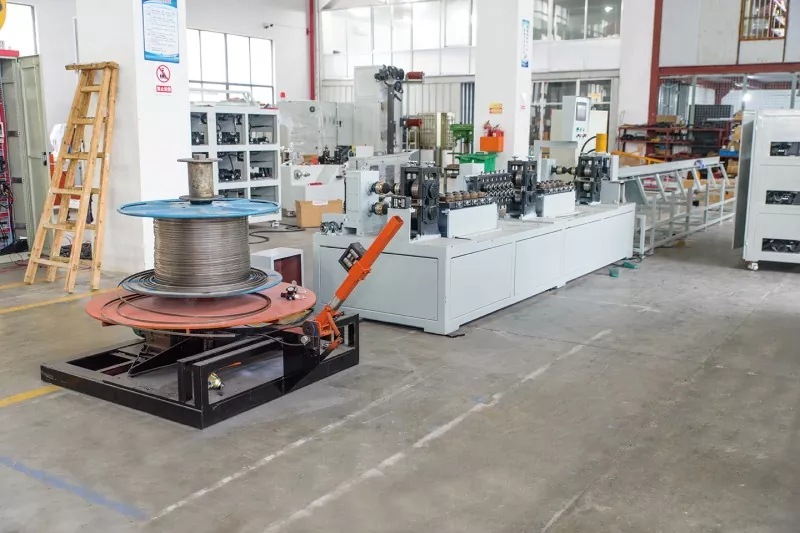
Streamlining non-ferrous production isn't just about cutting costs or speeding things up—it’s about reimagining how we handle materials like aluminum, copper, and titanium from start to finish. By integrating smart sensors and real-time data analytics, companies can now predict equipment failures before they happen, reducing downtime and waste. This shift towards proactive maintenance means smoother operations and fewer surprises on the factory floor, making the entire process more resilient and adaptable to market demands.
Beyond tech upgrades, it’s the human element that often gets overlooked. Training teams to use advanced automation tools empowers them to spot inefficiencies and suggest tweaks on the fly. For instance, blending AI-driven quality control with skilled oversight ensures defects are caught early, without slowing down production. This synergy between people and machines creates a workflow that’s not only faster but also more precise, turning potential bottlenecks into opportunities for innovation.
What truly sets apart these enhancements is their focus on sustainability. By optimizing energy use and recycling scrap metal in-house, producers can slash their environmental footprint while boosting profitability. It’s a win-win: streamlined workflows lead to less resource consumption and lower emissions, proving that efficiency and eco-friendliness can go hand-in-hand in the non-ferrous industry.
Cost-Effective Material Handling: Maximizing Copper and Aluminum Utilization
In industrial settings, maximizing the use of copper and aluminum isn't just about squeezing out every bit from raw materials—it's a strategic move that directly impacts the bottom line. By implementing smart handling practices, companies can reduce waste, cut down on procurement costs, and even boost their environmental credentials. Think of it as turning scrap into opportunity; with the right techniques, what might have been discarded becomes a valuable resource, driving efficiency from the shop floor up.
One often overlooked aspect is the sheer versatility of these metals. Copper's excellent conductivity and aluminum's lightweight strength mean they're in high demand across sectors like electronics, construction, and automotive. To truly capitalize on this, businesses need to adopt precision cutting methods and recycling loops that keep materials in circulation longer. It's not just about saving money—it's about building a resilient supply chain that can adapt to market fluctuations and raw material shortages without missing a beat.
Beyond the technical side, there's a human element to cost-effective material handling. Training teams to recognize and segregate copper and aluminum waste properly can lead to surprising savings. Simple steps, like using magnetic separators or color-coded bins, make a big difference. When everyone from operators to managers understands the value in every scrap, it fosters a culture of resourcefulness that pays dividends in both efficiency and innovation, setting a company apart in a competitive landscape.
Energy Efficiency in Metal Processing: Cutting-Edge Strategies for Sustainability
In the modern metal processing industry, achieving energy efficiency has become a critical goal for reducing operational costs and environmental impacts. Companies are increasingly adopting innovative strategies, such as optimizing furnace operations through real-time monitoring and adaptive heating systems, which can significantly cut energy consumption without compromising production quality. These approaches not only enhance sustainability by lowering carbon emissions but also position businesses as leaders in a competitive market driven by eco-conscious consumers and regulatory pressures.
One standout strategy involves the integration of advanced automation and machine learning algorithms to predict and adjust energy usage dynamically. For instance, smart sensors and AI-driven tools can analyze data from various stages of metal cutting, forging, and finishing, allowing for precise control over processes that traditionally waste energy. This not only boosts efficiency but also enables a more resilient supply chain, as manufacturers can quickly adapt to fluctuations in demand while maintaining lean energy profiles throughout their operations.
Furthermore, embracing circular economy principles—such as recycling scrap metal and reusing waste heat—offers a holistic approach to sustainability in metal processing. By implementing closed-loop systems, companies can recover valuable resources and minimize energy inputs, turning waste into opportunities for innovation. This not only supports long-term environmental goals but also fosters a culture of continuous improvement, where every kilowatt saved contributes to a more sustainable and profitable future for the industry.
Quality Control Excellence: Ensuring Premium Copper and Aluminum Output
In an industry where the performance of copper and aluminum products directly impacts everything from electrical grids to consumer electronics, our dedication to quality control isn't just a step in production—it's the bedrock of our entire operation. We've developed a multi-layered approach that scrutinizes every stage, from raw material sourcing to final shipment. For instance, we employ advanced spectrometry to verify the purity of incoming metals, ensuring no contaminants compromise conductivity or durability. This meticulous process means our copper consistently meets or exceeds ASTM B152 standards, while our aluminum alloys are precision-engineered for optimal strength and corrosion resistance. It's this relentless attention to detail that allows us to deliver materials trusted by engineers worldwide for critical applications.
But excellence goes beyond standard tests; we've integrated real-time monitoring systems that track parameters like temperature and pressure during extrusion and rolling processes. These systems alert technicians instantly to any deviations, enabling corrective actions before they affect product quality. Moreover, we conduct random batch audits using non-destructive testing methods, such as ultrasonic flaw detection, to inspect internal structures without damaging the material. This proactive strategy not only reduces waste but also builds a culture of continuous improvement, where every employee is empowered to identify and report potential issues. The result? Copper and aluminum outputs that set benchmarks for reliability and performance in demanding environments.
What truly sets our quality control apart is our commitment to transparency and customer collaboration. We provide detailed certificates of analysis with each shipment, outlining specific properties like tensile strength and elongation percentages. Additionally, our technical team works closely with clients to tailor solutions for unique project requirements, ensuring our metals perform flawlessly in their applications. By fostering long-term partnerships and investing in cutting-edge technologies, we don't just aim to meet industry standards—we strive to redefine them, delivering premium materials that power innovation and drive progress across sectors.
Adapting to Market Demands: Agile Strategies for Non-Ferrous Metals Growth
Adapting to Market Demands: Agile Strategies for Non-Ferrous Metals Growth
In the non-ferrous metals sector, staying competitive hinges on the ability to adapt swiftly to shifting market demands. This requires implementing agile strategies that prioritize flexibility and responsiveness at every stage—from exploration and extraction to processing and distribution. By leveraging real-time data analytics and cross-functional teams, companies can anticipate changes in demand patterns, such as fluctuations driven by electric vehicle production or renewable energy projects, and adjust their operations accordingly to minimize disruptions and capitalize on emerging opportunities.
These agile approaches involve diversifying supply chains to reduce reliance on single sources, fostering innovation in material development to meet new industrial specifications, and enhancing customer collaboration for tailored solutions. For instance, by adopting modular processing facilities and investing in scalable technologies, firms can ramp up or down production efficiently, responding to price volatility or regulatory shifts without compromising quality or sustainability goals. This nimbleness not only secures market share but also builds resilience against unforeseen challenges, like geopolitical tensions or environmental regulations.
Ultimately, growth in non-ferrous metals isn't just about increasing output; it's about smart adaptation that aligns with broader trends, such as the push toward decarbonization and circular economy models. Embracing agility means continuously refining strategies based on market feedback, ensuring long-term viability and profitability in a dynamic global landscape.
FAQ
Advanced hydrometallurgical methods and automated sorting systems significantly boost copper yield by enhancing material separation and minimizing waste.
Implementing energy-efficient smelters and renewable energy sources reduces operational costs and carbon footprint, improving overall productivity and sustainability.
Continuous training programs on new technologies and safety protocols empower employees to operate equipment more effectively, reducing downtime and errors.
A factory adopted closed-loop recycling systems, reprocessing scrap metal internally, which cut raw material costs by 15% and increased overall metal output by 10% within a year.
Ensuring consistent alloy composition and minimizing impurities requires advanced monitoring systems and strict process controls to prevent defects during high-volume manufacturing.
Real-time sensors and predictive analytics enable proactive maintenance, optimize resource use, and streamline production schedules, leading to higher throughput and reduced waste.
Focusing on emissions reduction, water recycling, and sustainable sourcing of raw materials helps meet regulatory standards and enhances long-term operational resilience.
Conclusion
To maximize copper and aluminum efficiency in non-ferrous metals factories, a comprehensive approach integrating advanced techniques, workflow innovations, and sustainable practices is essential. Unlocking copper and aluminum potential involves adopting cutting-edge methods to boost yields, such as refined extraction and recycling processes that enhance material recovery. Simultaneously, streamlining non-ferrous production through innovative workflow enhancements—like automation and lean manufacturing—reduces downtime and increases throughput. Cost-effective material handling is crucial, as it minimizes waste and maximizes utilization of copper and aluminum, directly impacting profitability. Energy efficiency in metal processing, employing strategies like heat recovery and renewable energy, not only cuts operational costs but also aligns with sustainability goals, making plants more resilient and environmentally friendly. Together, these strategies form a robust foundation for optimizing factory operations, ensuring that every step from raw material to finished product is efficient and resource-conscious.
Beyond operational improvements, quality control excellence and market adaptability are key for long-term success in the non-ferrous metals industry. Ensuring premium copper and aluminum output through rigorous testing and real-time monitoring safeguards product integrity and customer satisfaction, building a reputation for reliability. Adapting to market demands with agile strategies, such as flexible production lines and rapid response to price fluctuations, allows factories to seize growth opportunities and stay competitive in a dynamic global landscape. By merging these elements—from advanced yields and streamlined workflows to sustainability, quality, and agility—factories can thrive, transforming challenges into advantages and pushing the boundaries of efficiency in copper and aluminum production.
Contact Us
Contact Person: Rayna
Email: [email protected]
Tel/WhatsApp: 86 -173 1474 6343
Website: https://www.grmrollingmill.com/