

Melamine Cyanurate: Top Applications and Benefits for High-Performance Materials
2026-07-26
In the world of high-performance materials, melamine cyanurate stands out as a versatile flame retardant and lubricant, unlocking new possibilities across industries. From automotive components to electronic casings, its ability to enhance safety and durability is unmatched. At X.X.F.R, we've seen firsthand how this additive transforms product performance, offering solutions that meet rigorous standards without compromising quality. But what exactly makes melamine cyanurate a go-to choice for engineers and manufacturers? Let's explore its top applications and the tangible benefits that set it apart in competitive markets.
Melamine Cyanurate at a Glance: Beyond Basic Flame Retardants
Melamine cyanurate often gets pigeonholed as a straightforward halogen-free flame retardant, but its chemistry tells a far more interesting story. The compound forms through a precise hydrogen-bonded network between melamine and cyanuric acid, creating a highly stable, crystalline structure that doesn't just slow ignition—it actively changes how materials behave under heat. When exposed to flame, it undergoes endothermic decomposition, absorbing energy while releasing inert nitrogen-rich gases. This dual action cools the material surface and dilutes flammable vapors, making it remarkably efficient in polyamides and thermoplastic polyurethanes. However, the real intrigue lies in the physics of its platelike crystal habit, which can be tuned during synthesis to influence polymer processing and mechanical properties, opening doors for grades tailored to thin-wall injection molding or extrusion without the usual trade-offs in stiffness or surface finish.
What really elevates melamine cyanurate beyond commodity flame retardants is its role as a functional additive that enhances other performance vectors. In polyamide 6 and 66, for instance, it acts as a nucleating agent, increasing crystallization temperature and degree of crystallinity—benefits that translate into shorter cycle times and improved dimensional stability. The lubrication effect of its very fine particles can reduce melt viscosity, making compounds easier to process while also imparting a silky, dry feel to molded parts. More recently, formulators have been exploiting its synergy with phosphorus-based systems and char formers to achieve thin-gauge UL 94 V-0 ratings while preserving ductility and colorability. These combinations often allow a reduction in total additive loading, which is crucial for maintaining impact resistance in electrical connectors, circuit breakers, and other E&E components where mechanical integrity cannot be compromised.
Perhaps the most forward-looking applications involve melamine cyanurate as a building block for smarter material designs. Its sublimation characteristics and ability to form intumescent-like barriers are being harnessed in lithium-ion battery pack housings, where passive fire protection is mission critical. By incorporating it into thermoplastic elastomers and cross-linked systems, engineers are creating insulation layers that swell and char upon thermal runaway, buying precious time for cell containment. Additionally, its low water solubility and absence of migratory heavy metals make it an attractive candidate for durable outdoor textiles and coatings that must withstand weathering without loss of flame retardancy. As sustainability pressures grow, the fact it can be synthesized from non-petroleum feedstocks and shows promise in novel recycling-compatible formulations will likely push its adoption beyond niche roles. Melamine cyanurate isn't just a fire safety tool; it's evolving into a multi-tasking asset for next-generation materials.
The Lightweight Advantage: Boosting Thermoplastics
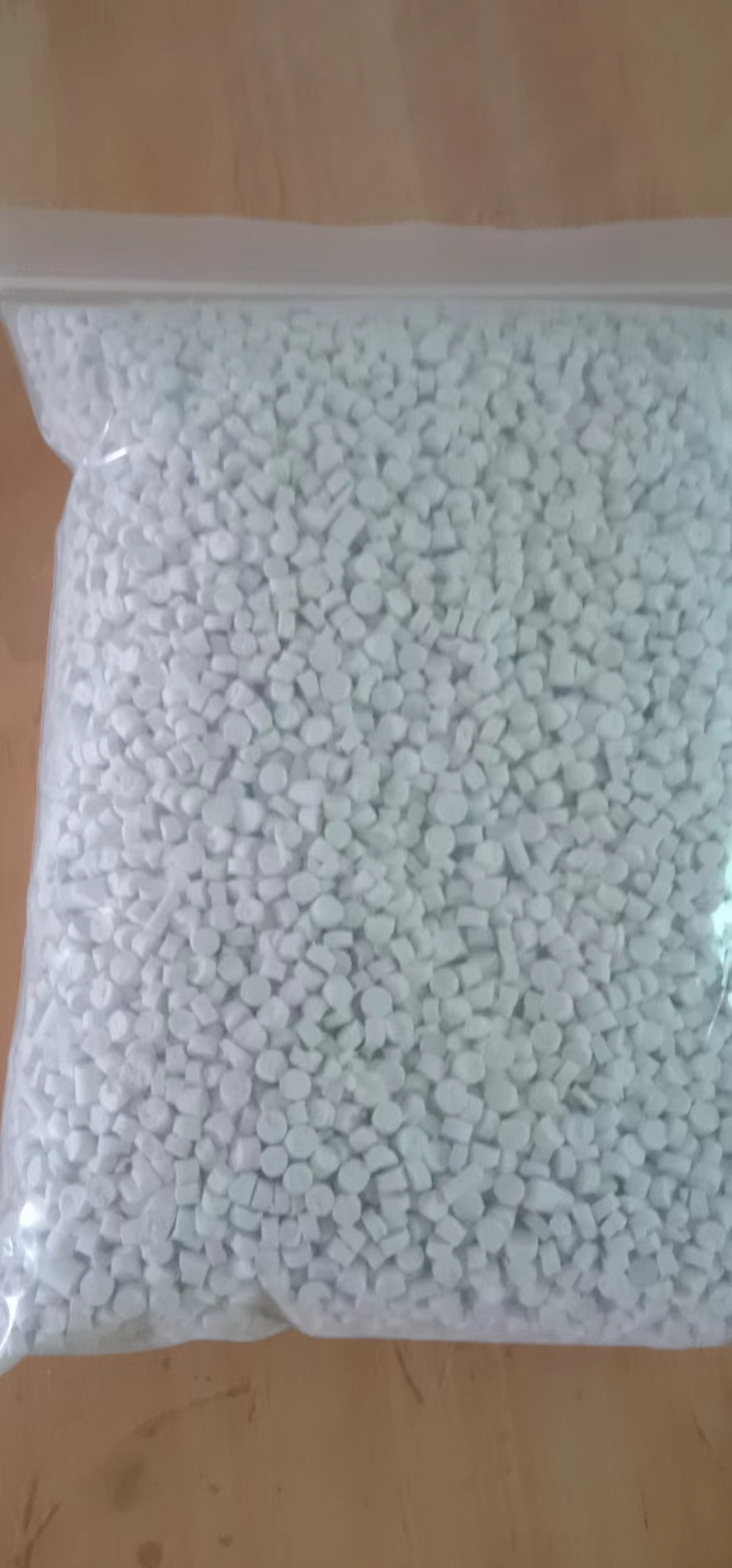
Weight reduction has become a relentless pursuit across industries, from automotive to aerospace, and thermoplastics are leading the charge. Unlike traditional metals, these materials deliver dramatic mass savings without sacrificing structural integrity. Engineers are rethinking component design, swapping out heavy metal parts for advanced polymers that trim pounds while maintaining—or even elevating—performance benchmarks. This shift isn't just about lighter parts; it's rewriting the rules of what's possible in fuel efficiency and handling.
The real magic unfolds in how thermoplastics marry lightness with toughness. Through precise molecular engineering, materials like polycarbonate blends and polyamide composites achieve impact resistance that rivals metals at a fraction of the weight. Designers exploit this to consolidate multiple parts into single molded components, eliminating fasteners and weld points that add unnecessary heft. The result is not only a leaner assembly but a quieter, more repairable system that streamlines both manufacturing and maintenance.
Beyond the numbers on a scale, the lightweight advantage cascades into every performance metric. Vehicles accelerate quicker, aircraft extend their range, and portable devices become effortlessly mobile—all because thermoplastics shed dead weight. This virtuous cycle pushes manufacturers toward even bolder material choices, confident that reducing mass won't mean compromising durability. It's a quiet revolution where grams saved translate into tangible gains in speed, efficiency, and user experience.
Synergy in Action: Enhancing Other Flame Retardants
The true potential of flame retardants often lies not in isolation but in their ability to work together, amplifying each other's strengths. This interplay, known as synergy, allows formulators to achieve higher levels of fire safety with lower overall additive loadings, preserving the mechanical and aesthetic properties of the base polymer. By carefully selecting complementary chemistries, it is possible to disrupt multiple stages of combustion simultaneously—cooling the fuel, diluting flammable gases, and forming a more robust char barrier—creating a defense that is far more effective than the sum of its parts.
A classic example is the halogen–antimony trioxide system, where the halogen source generates acidic species that react with antimony oxide to produce volatile antimony halides, highly effective gas-phase radical scavengers. This partnership drastically reduces the amount of halogen needed, mitigating smoke and corrosion concerns while maintaining UL 94 V-0 performance. Similarly, phosphorus-based flame retardants, which primarily work in the condensed phase, show remarkable synergy with nitrogen-containing compounds like melamine. The nitrogen helps expand and strengthen the intumescent char, while phosphorus catalyzes char formation, resulting in a cohesive insulating layer that starves the flame of fuel and heat.
Beyond these established pairs, modern developments explore metal oxides, nanoclays, and bio-derived additives that can enhance traditional systems. For instance, small amounts of zinc borate can replace part of the antimony trioxide, suppressing afterglow and improving char integrity. Meanwhile, nanoscale fillers promote network formation in the char, increasing its barrier properties. This approach—blending old and new, organic and inorganic—keeps pushing the boundaries of what’s possible, allowing flame retardant packages to meet increasingly stringent fire, environmental, and cost requirements without compromise.
Temperature Toughness Without Compromise
Imagine a material that laughs in the face of both blistering heat and bitter cold. That’s exactly what temperature toughness without compromise delivers—unwavering structural integrity across an extreme range. Whether it’s desert machinery baking under the midday sun or arctic pipelines frozen solid for months, this isn’t about picking a sweet spot. It’s about a steadfast refusal to let thermal swings dictate performance boundaries.
Typical materials often force a trade-off: gain heat resistance and you’ll see brittleness creep in at low temperatures, or boost cold-weather flexibility only to watch it soften under high heat. Here, that compromise is obliterated. Advanced formulations, refined at the molecular level, ensure that expansion and contraction cycles barely leave a mark. From sealants that keep their grip in sub-zero gales to engine components that hold shape when temperatures soar past 200°C, the result is a consistency that engineers once only dreamed of.
This resilience isn’t just about survival—it’s about enabling next-level performance. Design limitations imposed by thermal constraints suddenly vanish. Prototypes that once required constant recalibration now run reliably from dawn to midnight temperature drops. Real-world testing in everything from aerospace composites to deep-sea equipment proves that when a material truly masters the spectrum, innovation stops waiting on the weather.
Industry Spotlight: Where Performance Meets Demand
In a landscape where precision and pace define success, the intersection of performance and demand has never been more critical. Companies that thrive are those that treat this junction not as a balancing act, but as a catalyst—pushing boundaries while staying deeply attuned to what the market actually needs.
Gone are the days when raw output alone could carry a brand. Today’s leaders are weaving together agile processes, real-time data, and a near-obsessive focus on user experience. The result? Solutions that don’t just meet expectations—they anticipate them, often before customers even realize what’s possible.
From rapid prototyping on the factory floor to AI-driven supply chains that flex with shifting preferences, true innovation happens when technical muscle and market insight move in lockstep. It’s a quiet revolution—no flashy buzzwords, just engineering that works, and relationships that last.
A Cleaner Approach to Fire Safety
Fire safety measures have long relied on methods that, while effective, often leave behind harmful residues or environmental damage. Traditional extinguishers can release chemicals that contaminate surfaces, equipment, and the air we breathe. A cleaner approach shifts the focus toward solutions that suppress fires without the collateral consequences, preserving both the immediate environment and long-term health.
This philosophy embraces innovative suppression technologies, such as water mist systems and clean agent gases. These alternatives target fires precisely, reducing water waste and preventing secondary damage to sensitive electronics or archives. By prioritizing agents that evaporate without a trace or leave minimal cleanup, facilities can resume operations faster and with less disruption.
Adopting such methods isn’t just about compliance—it’s a strategic decision to protect assets while upholding sustainability goals. From data centers to museums, the shift toward responsible fire protection reflects a broader understanding that safety shouldn’t come at the expense of the very things we aim to safeguard.
FAQ
Melamine cyanurate is a nitrogen-based flame retardant created from melamine and cyanuric acid. It is widely used as an additive in high-performance plastics, coatings, and textiles to reduce flammability and smoke release without compromising mechanical properties.
It commonly appears in polyamide engineering plastics, epoxy resins, polyurethanes, and intumescent coatings. These materials are used in electronics, automotive components, construction materials, and protective textiles.
It acts through a combination of cooling and char formation. When exposed to heat, it decomposes endothermically, which lowers the material’s temperature, while the released gases dilute flammable vapors and promote a protective char layer.
The electrical and electronics sector relies on it for connectors and housings, the automotive industry uses it in under-the-hood parts, and the building and construction field incorporates it into insulation and decorative laminates.
It offers a good balance of thermal stability, low smoke emission, and compatibility with various polymers, especially polyamides. Its white color and non-halogenated nature also make it suitable for applications where aesthetics and environmental concerns matter.
Yes, in many formulations it raises the decomposition temperature of the host polymer and delays ignition. This improved thermal stability helps maintain structural integrity during a fire and can extend the safe operating range of components.
Because it is halogen-free, it avoids the release of toxic and corrosive dioxins during combustion. It also produces low smoke density, which enhances visibility and reduces toxicity risks during evacuation.
Compared to halogenated retardants, it is more environmentally friendly and produces less smoke. In polyamides, it often outperforms phosphorus-based alternatives by maintaining better mechanical properties and color stability.
Conclusion
Melamine cyanurate (MCA) has quietly shifted from a standard halogen-free flame retardant to a go-to enhancer in demanding material applications. Its real value lies in the way it combines fire protection with weight savings—crucial for automotive and aerospace thermoplastics where every gram counts. Unlike bulkier alternatives, MCA integrates smoothly into polymers, preserving ductility and surface finish while cutting density. This lightweight boost doesn't come at the expense of safety; in fact, MCA thrives in synergistic blends, unlocking greater efficiency from other halogen-free agents and often reducing total additive loads. In polyamides and polyesters, this translates to thinner, stronger parts that still hit rigorous fire standards.
Equally compelling is its thermal tenacity: MCA holds up in sustained high heat without breaking down, which makes it a favourite in under‑hood components and high‑wattage electrical housings. The clean burn profile adds another layer of appeal—low smoke and minimal toxic off‑gassing help products meet evolving environmental and health regulations without retrofitting entire formulations. From sleek consumer electronics to rugged industrial connectors, MCA's versatility cuts across sectors that prioritise both performance and regulatory alignment. It's this blend of thermal endurance, weight consciousness, and cleaner combustion that's cementing MCA as more than a flame retardant—it's becoming a strategic design tool for next‑generation high‑performance materials.
Contact Us
Contact Person: Guohua Wang
Email: [email protected]
Tel/WhatsApp: 8613003442895
Website: https://www.xxflameretard.com