
ODM Power Tool Switch Manufacturer: Custom Solutions for Superior Durability
2026-06-26
When power tools are pushed to their limits, every component must deliver unwavering reliability. Off-the-shelf switches often can't handle the unique demands of heavy-duty applications. That's why top manufacturers turn to ODM partnerships for custom solutions that prioritize superior durability from the ground up. At KEJIAN ELECTRONICS, we don't just supply switches—we engineer lasting performance tailored to your toughest challenges. What does it take to create a switch that excels where others fail? Let's dive into the world of precision ODM design.
Tailored Switch Designs for Demanding Applications
When off-the-shelf switches can't handle the heat, moisture, or relentless vibration, custom solutions step in. We work closely with engineering teams to craft switches that survive where others fail—whether that's inside a high-pressure washdown environment or on a vibrating heavy machinery panel. The goal isn't just durability; it's matching the exact tactile feedback, actuation force, and form factor that operators rely on during critical tasks.
From choosing ruggedized materials like surgical-grade stainless steel to embedding sealed actuation systems that shrug off dust and chemicals, every detail is shaped by the application. One client needed a switch that could be operated with thick gloves in sub-zero temperatures without accidental activation. Another required a silent, non-magnetic design for sensitive lab equipment. These aren't catalog options—they're thoughtful iterations refined through prototyping, ensuring the switch becomes an intuitive extension of the user in the most unforgiving settings.
Engineering Durability into Every Component
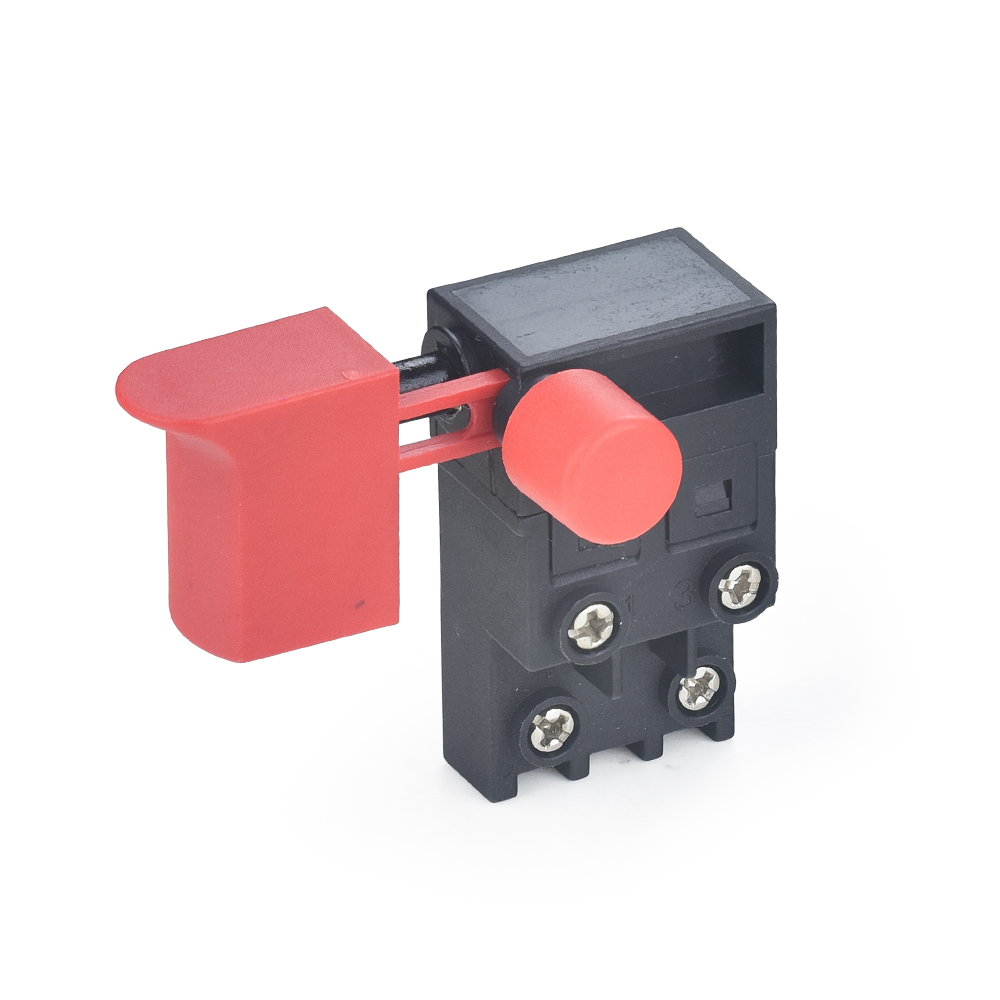
Durability isn't just a final checkpoint—it's built in from the first sketch. Every component, from the smallest fastener to the primary load-bearing structure, undergoes rigorous material selection and design simulations. We analyze stress distribution, fatigue life, and environmental exposure long before prototyping begins, ensuring that each part meets its intended lifespan without over-engineering.
Prototyping and testing are where these assumptions meet reality. Components face accelerated wear cycles, thermal shock, and corrosion trials tailored to their expected operating conditions. When a bracket shows micro-cracks or a seal degrades faster than predicted, the design is refined and tested again. This iterative process continues until every element proves it can handle years of real-world use, not just theoretical maximums.
From Concept to Production: Our ODM Process
Bringing an idea to life requires more than just a factory—it demands a partner who understands the nuances of design, engineering, and market readiness. Our ODM process begins by immersing ourselves in your vision, translating rough sketches or conceptual briefs into detailed product specifications. We bridge the gap between imagination and feasibility, ensuring every product we develop not only aligns with your brand identity but also outperforms competitors in functionality and aesthetics.
From there, our cross-functional teams collaborate on rapid prototyping, material selection, and rigorous testing, iterating until every detail meets our shared standards. We manage the entire supply chain under one roof, from component sourcing to final assembly, eliminating inefficiencies and reducing time to market. Unlike one-size-fits-all solutions, each step is tailored to your unique requirements, whether you need a sleek consumer gadget or a rugged industrial tool.
The final phase transforms validated prototypes into scalable production runs, with quality checks embedded at every stage. We don't just hand over a finished product; we ensure a seamless transition into your distribution channels, providing packaging design, compliance documentation, and post-launch support. This holistic approach turns your concept into a tangible asset, ready to capture market attention without the typical headaches of multi-vendor coordination.
Materials and Testing That Exceed Industry Standards
Every component we source undergoes scrutiny that goes well beyond the usual checklist. Rather than simply ticking boxes on a compliance form, our team actively seeks out suppliers who share an almost unreasonable commitment to quality. We test raw materials for tensile strength, corrosion resistance, and durability under conditions that mimic years of harsh use, not just a few lab cycles. The result is a product that feels solid from day one and stays that way long after the warranty expires.
Standardized testing often leaves gaps between what passes a certification and what actually holds up in the real world. We bridge that gap by running our own battery of assessments—salt spray chambers, UV exposure rigs, and stress machines that push components until they snap. If a material fails below our thresholds, we go back to the drawing board. It’s a slower, more expensive process, but it eliminates the kind of failures that erode trust over time.
The real difference, however, isn’t just the machinery; it’s the people interpreting the data. Our engineers don’t look for a pass/fail stamp. They analyze fracture patterns, monitor micro-deformations, and track performance trends across entire production batches. When subtle inconsistencies crop up, they don’t wait for a formal review cycle—they halt shipments and resolve the issue. That level of vigilance keeps our failure rate virtually nonexistent, even in extreme environments.
Partnering for Long-Term Reliability
When you team up with us, reliability isn’t just a promise—it’s built into every layer of our collaboration. We take the time to understand your operational rhythms, aligning our support with your goals so that uptime and consistency become second nature. From proactive maintenance schedules to real-time monitoring, every step is designed to keep you moving forward without unexpected hiccups.
Our approach goes beyond fixing issues as they arise. We invest in robust infrastructure and rigorous testing protocols that anticipate potential failure points long before they impact your workflow. This forward-looking mindset, paired with transparent communication, means you’re never left guessing. Whether it’s through regular performance reviews or adaptive contingency planning, we build a partnership where stability is simply part of the deal.
What truly sets this relationship apart is the shared commitment to continuous improvement. We don’t just maintain the status quo; we refine processes, update technologies, and fine-tune systems in lockstep with your evolving needs. That kind of deep collaboration results in a resilient foundation that supports your long-term vision, letting you operate with confidence day after day.
Custom Solutions Without Compromise
Off-the-shelf products never quite fit like they should. We start by listening—really listening—to the contours of your workflow, your bottlenecks, your ambitions. Custom doesn’t mean complicated. It means we shape the tool around how you actually work, not the other way around. Every line of code, every interface decision gets questioned: Does this truly serve the people using it? If it doesn’t, we strip it away. What remains is something lean, purposeful, and unmistakably yours.
There’s no hidden trade-off here. We don’t make you choose between a solution that adapts and one that stands up to heavy use. Our builds are engineered to be both fluid and robust, because we’ve invested years into a foundation that supports deep customization without buckling under pressure. Need to integrate with legacy systems? Done. Anticipating rapid growth? The architecture flexes with it. No compromises means we never tell you “that’s not possible.” We figure out how to make it possible, without shortcuts.
The result feels less like a vendor relationship and more like a partnership. You’re not force-fitted into a generic roadmap; your priorities become our priorities. Updates don’t break your workflows because they’re tested against your real-world use cases. And when your needs evolve, the solution evolves with you—often starting from a conversation, not a change request form. That’s the quiet confidence of custom without compromise: you run your business on your terms, and the technology simply disappears into the background.
FAQ
ODM stands for Original Design Manufacturer. In our field, it means we design and produce switches from the ground up according to a client's specific requirements. Rather than just applying a logo to an existing product, we create something truly tailored to the tool's performance needs, handling everything from initial concept to final production runs.
A switch that's purpose-built for a particular tool can be optimized for its exact electrical load, environmental exposure, and mechanical stress. By engineering the contact materials, housing, and actuation mechanism together, we eliminate weak points that off-the-shelf parts often have. This integrated approach extends the tool's lifespan significantly because the switch isn't a generic compromise anymore.
Almost any handheld electric tool can benefit, but it's especially impactful for high-wear equipment like angle grinders, hammer drills, circular saws, and demolition breakers. These tools endure intense vibration, dust, and repetitive use, so a customized switch makes a huge difference in reliability and user safety.
It typically starts with a deep dive into the tool's specifications and the conditions it will face. We then prototype several designs, test them in our lab against simulated real-world abuse, and refine based on feedback. Once the design locks, we produce a pilot batch for the client to validate on their own assembly line. Only after full approval do we move to mass production.
We rely on silver-alloy contacts for superior arc resistance, high-grade thermoplastics for the housing that don't deform under heat, and stainless steel or phosphor bronze for springs and terminals. Sealing boots and potting compounds are also common to protect internals from moisture and dust ingress. Material selection is always matched to the specific challenges of the tool and its operating environment.
Quality control is layered. Each batch undergoes automated testing for contact resistance, actuation force, and dielectric strength. We also perform random life-cycle tests where switches are operated hundreds of thousands of times under full load while monitoring performance. In-process inspections catch issues early, and final inspection includes a check of every critical dimension and waterproof rating if applicable.
An off-the-shelf switch might work for a while, but it wasn't designed for your tool's exact demands. With an ODM partner, you get a switch that can handle higher inrush currents, fit a unique grip form, or survive more cycles without failing. This not only reduces warranty claims but can also become a selling point for your own product's ruggedness. Plus, you own the design, so competitors can't simply copy it.
Conclusion
At our core, we engineer power tool switches that refuse to fail, no matter how brutal the job site gets. Every design starts with your specific challenges in mind—whether it’s a trigger that must survive ten thousand cycles of gritty dust, or a speed control that can’t flinch under high vibration. We don’t just modify existing parts; we prototype from scratch when needed, embedding ergonomic grip angles, sealed contacts, and reinforced housings directly into the architecture. This isn’t about off-the-shelf compromises—it’s about building a switch that feels like a natural extension of the tool and the operator, before the first production run even begins.
Durability isn’t a buzzword here; it’s a measurable outcome of material science and relentless testing. We select alloys and polymers that outperform standard specifications, then verify them through salt spray, extreme temperature cycling, and load tests that push beyond rated thresholds. Our ODM partnership model means you’re not just buying a component—you’re gaining a transparent extension of your engineering team. From shared CAD environments to real-time lifecycle feedback, we align with your production timelines and quality gates so that every switch that leaves our line delivers the same consistent, long-term reliability your brand depends on.
Contact Us
Contact Person: Anna lin
Email: [email protected]
Tel/WhatsApp: +86 13567768885
Website: https://www.kjele.com/