
Preserved Flower: Which One Is Good? Top Picks
2026-09-08
Preserved flowers have quietly taken over the home decor scene—no wilting, no watering, just lasting color. But not every preserved bloom earns its price tag. Some fade within months, others shed petals like confetti. So how do you choose? We dug into the details that actually matter: preservation technique, petal resilience, and color retention. Along the way, one name kept surfacing: PHLEEYA. Known for a preservation process that locks in the flower’s natural softness, they’ve become a benchmark in the category. But do they truly hold up? This guide breaks down what makes a preserved flower genuinely good, and which top picks are worth your shelf space.
Why Some Preserved Blooms Outlast the Rest
The longevity of preserved blooms depends heavily on the plant's own structure and how thoroughly its moisture was replaced. Species with dense, waxy petals or woody stems, like roses, eucalyptus, and hydrangeas, take up glycerin-based solutions more evenly, which keeps the tissue flexible and less likely to shatter. If a batch is rushed through preservation or the solution is diluted too much, the flowers may look acceptable at first but often dry into brittle, faded versions within a few months.
Storage conditions separate the arrangements that stay vivid for years from those that dull by the next season. Sunlight breaks down the pigments, so a spot near a bright window shortens their life far more than a cool shelf with indirect light. Humidity is equally damaging, encouraging mildew along the petals and stems, so bathrooms and kitchens are usually poor choices. Blooms kept in dry, stable environments and handled only by their stems tend to hold their color and form noticeably longer than those in warm, damp, or frequently touched displays.
Roses That Keep Their Color and Curves
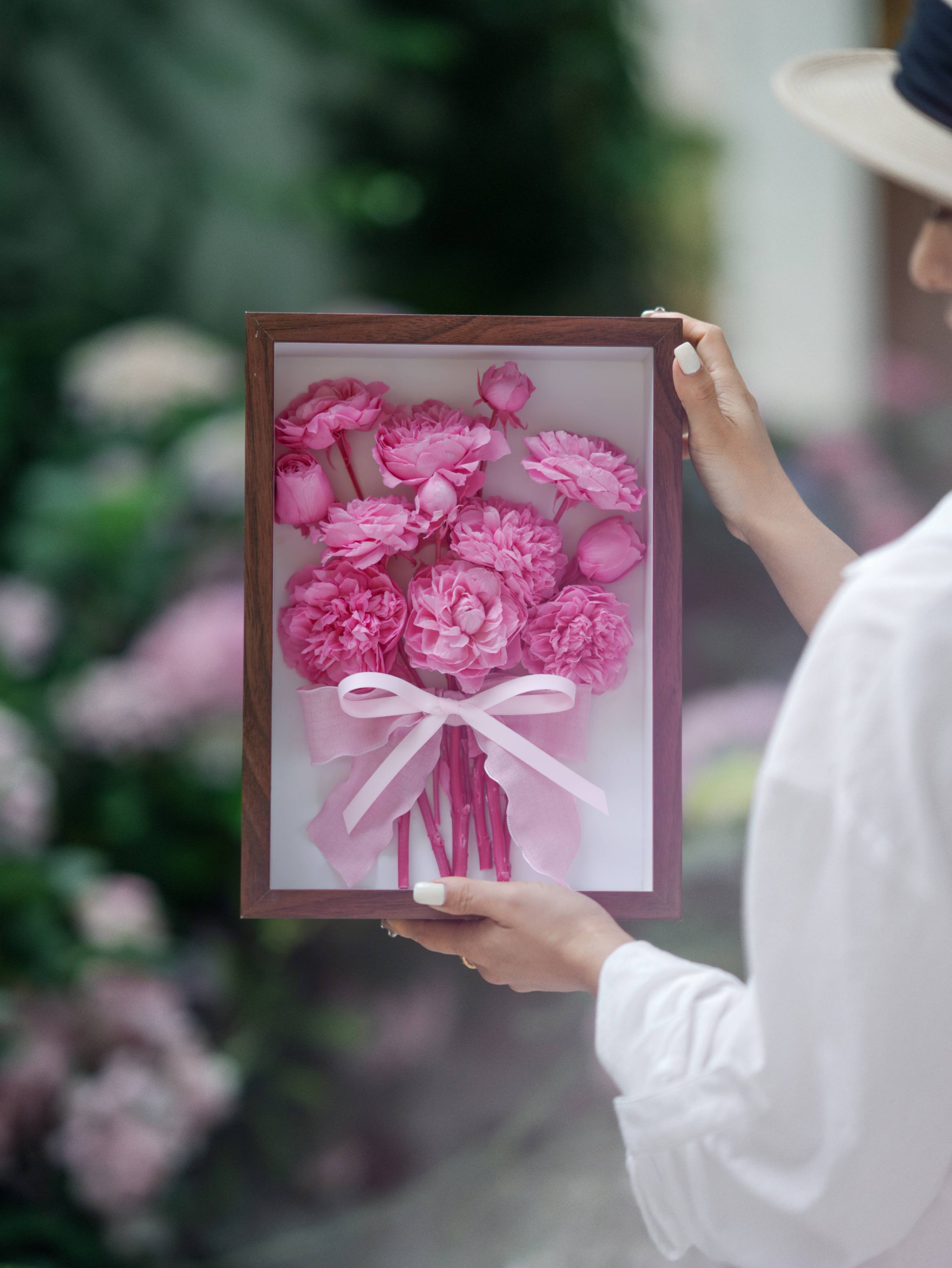
Some roses fade within days, their petals drooping into soft, shapeless folds. Others hold on—preserving the exact blush, the curled edge, the tight spiral you fell for the moment you saw them. These are the ones that still look alive weeks later, as if time forgot to touch them.
The trick isn't magic. It's in how the stems are treated before they ever reach your hands. Each bloom is cut at just the right stage, then slowly conditioned so the color locks in place and the petal structure stays firm. No brittle crunch, no dulling to brown—just a rose that keeps its posture and its palette.
Place one on a shelf, a bedside table, or a corner that needs a little softness. It won't demand water or sunlight. It won't drop petals on your books. It simply sits there, full and rounded, holding a moment you wanted to keep.
Hydrangea Heads Worth Every Penny
You know that moment when a plant punches way above its price tag? That’s the hydrangea. You plant one modest shrub, water it for a season, and suddenly June rolls around with bloom heads the size of dinner plates. Each cluster is a layered dome of tiny individual flowers, so dense they nearly hide the leaves beneath. In a good year, one bush can produce a dozen or more of these showstoppers, making the initial cost almost laughable compared to the floral display you get back.
What really seals the “worth every penny” deal is how long those heads last. Cut them fresh and they’ll hold a vase for over a week without wilting. Miss that window and they slowly dry on the stem, fading from blue or pink into soft antique tones that still catch the light in autumn. A single hydrangea can give you fresh arrangements in summer, dried textures in fall, and a structural silhouette even in winter when the old blooms catch frost. That’s three seasons of payoff from one root system.
And the color trick? It feels like a bonus nobody told you about. Depending on your soil, the same plant might turn cobalt blue, blush pink, or a moody purple between the two. Toss a handful of garden sulfur at the base in early spring and watch next year’s flowers shift to a new palette. It’s like getting a free color experiment with a shrub that was already a bargain. No other perennial lets you redesign its look without buying a new plant.
Greenery That Doesn't Look Dried Out
Most faux greenery fails the moment it tries too hard to mimic a living leaf. Instead of chasing perfect botanical accuracy, look for stems and fronds with subtle color shifts—yellow-green at the center, deeper olive at the edges—and a slightly matte finish. Real leaves rarely have uniform shine, so that mix of surfaces keeps the eye from reading the piece as plastic.
A quick trick is to bend a few stems before you buy or set them out. If they spring back into a stiff, symmetrical fan, the arrangement will always look flat. Better pieces have wired stems that hold a slight droop or curve, and leaves that vary in size along the branch. Tuck them into a vase with a bit of real water or moss at the base, and even close-up the green won't give itself away.
You can also soften the telltale signs of fake foliage by grouping different textures together—fern-like sprays next to broader, rubbery leaves. That contrast draws attention to the overall shape rather than any single leaf, so the arrangement reads as a collected, living bunch rather than a row of identical stems.
Small Stems That Steal the Show
Most people walk right past the modest florals in a bouquet, eyes drawn to the big blooms. But it's the smaller stems that often carry the entire arrangement—visually, texturally, even emotionally. A few sprigs of wax flower or a single stem of freesia can shift the mood from predictable to personal, adding that whispered detail that makes a centerpiece feel less like a store display and more like a conversation starter.
Take greenery with tiny leaves, for instance. A stem of myrtle or spirea doesn't shout for attention; it weaves through the larger flowers, softening harsh lines and filling awkward gaps. Without those quiet fillers, even the most expensive roses can look stiff and lonely. The real trick is treating these small stems as essential actors, not supporting cast. A single branch of blueberry with its tiny bell flowers can become the focal point when placed at eye level, while larger blooms recede into the background.
When you're arranging at home, don't overlook the stems you'd normally trim away. A spray of lily of the valley, a few stems of wax flower, or even a curling vine of jasmine can steal the show precisely because they're understated. They invite people to lean in, to notice the smaller rhythms of the arrangement, and that intimacy is something no oversized hybrid can replicate.
Mixing Textures Without the Wilting
Layering different fabric weights and finishes can easily fall flat when one piece dominates the room, leaving the rest looking limp or forgotten. The trick is to anchor the arrangement with a sturdy, low-pile base—think a tightly woven wool rug or a matte linen sofa—and then introduce lighter, airier elements only where they can breathe. A chunky knit throw draped over the arm of a smooth leather chair won’t sag if you let it hang with intention, not just tossed on as an afterthought.
Texture mixing works best when each surface has a job. Pair a nubby boucle ottoman with a sleek, polished side table so the contrast feels deliberate rather than accidental. For curtains, skip heavy velvet if your walls already carry a rough plaster finish; instead, choose a softly structured cotton blend that holds its shape without competing. The goal is a room where your eye can wander from one tactile moment to the next without hitting a dead zone of sameness.
Keep scale in mind, too. A tiny velvet cushion lost on a vast tweed sectional does nothing but look tired, while an oversized faux-fur pillow on a delicate rattan bench can smother the whole setup. Aim for texture blocks that sit comfortably beside each other—visual weight balanced, not bullied. When you get that mix right, the room feels lush and inviting, not wilted or overstuffed.
FAQ
Preserved flowers are real blooms that have been treated with a glycerin-based solution to replace their natural sap, keeping them soft and lifelike for months or even years. Dried flowers, on the other hand, are usually air-dried or silica-dried, which leaves them brittle and often faded. In my experience, preserved flowers hold their shape and color much better, so they feel less fragile and look closer to fresh flowers.
Roses, hydrangeas, and carnations are among the most reliable because their petals are sturdy and soak up the preservation liquid evenly. Lavender and baby's breath also do well as fillers, though they can shed a little. I'd steer clear of very delicate blooms like tulips or daisies, which often lose their structure during the process.
With proper care—keeping them out of direct sunlight and away from heavy humidity—most quality preserved flowers stay attractive for one to three years. Some people report up to five years, but I've found the colors do soften gradually no matter what. It's best to think of them as long-term decor rather than a permanent fixture.
First, feel the petals if you can; they should be slightly pliable, not papery or damp. Look for even coloring without brown edges, and check the stems for any mold or musty smell. Also ask whether the flowers are individually preserved or just sprayed, because the spray-on versions fade much faster. A reputable florist will usually be upfront about that.
In most cases, yes, but it depends on how you plan to use them. Cheap preserved flowers often come from low-quality fresh blooms that were already past their prime, so they droop or crumble within weeks. If you want a centerpiece or a gift that needs to look polished for months, investing in a well-known brand or a skilled local florist pays off. For casual craft projects, budget options can still work.
I wouldn't recommend it. Bathrooms and kitchens tend to have fluctuating humidity and steam, which can make preserved flowers go limp or even develop mold. They do best in bedrooms, living rooms, or offices where the air is relatively dry and stable. If you really want them in a bathroom, choose a spot far from the shower and keep the room well-ventilated.
For gifting, a preserved rose in a glass dome is a classic that almost never disappoints. If you want something more modern, look for mixed arrangements with hydrangeas and eucalyptus—they have a lush, garden-fresh feel. Brands like Venus et Fleur and Forever Rose are well-regarded, though smaller Etsy florists often offer equally beautiful custom pieces at a friendlier price. Just read recent reviews and check photos from actual customers before ordering.
Conclusion
Not all preserved flowers are worth your money, and the differences often come down to how the stems were harvested and treated before preservation. A good pick starts with blooms cut at their peak, then gently dehydrated and infused with a quality glycerin-based solution—this keeps petals supple rather than brittle. Roses remain a standout choice for a reason: the better preserved varieties hold their tight spiral shape and rich, even color instead of turning muddy or faded. If you're after volume, hydrangea heads can be a smart buy, but only when the florets are dense and the edges aren't already starting to shed. Cheaply preserved hydrangeas tend to crumble within weeks, while a well-done head will feel almost spongy to the touch and keep its rounded form on the stem.
Greenery is where many preserved arrangements fall flat. Eucalyptus, ruscus, or fern that hasn't been properly conditioned will look parched and straw-like, but high-quality options keep a muted, natural tone and slight flexibility in the leaves. Small filler stems—think preserved gypsophila, waxflower, or bunny tails—add movement and charm, yet they shine only when they haven't been over-bleached or dipped in harsh dyes. When mixing textures, compare the flexibility of each stem: if some snap while others bend, the whole piece will age unevenly. The goal is a combination that feels gathered from a garden, not a craft store shelf. With a bit of care in choosing, preserved flowers should hold their color, shape, and softness for months without wilting.
Contact Us
Contact Person: Mr. Luo
Email: [email protected]
Tel/WhatsApp: 86 18100895505
Website: https://www.feiliyaflowers.com/en/