

Reefer Container Factory Innovations Driving Sustainable Cold Chain Solutions
2026-05-20
The cold chain keeps our food fresh and medicines safe, yet it faces growing pressure to cut emissions. Traditional reefer containers have been part of the problem—energy hungry and heavy on refrigerants. But that’s changing fast. At Worldbase, we’re seeing a new wave of factory innovations that slash carbon footprints without compromising performance. From smart insulation to natural refrigerants, these advances are turning cold logistics into a genuinely sustainable link in the supply chain. Whether you’re shipping seafood or vaccines, the way containers are built today matters more than ever. Let’s unpack the breakthroughs powering this green shift.
Next-Gen Insulation Materials Slash Energy Consumption
Traditional insulation often falls short when faced with extreme temperature swings or space constraints, letting precious heat escape in winter and seep in during summer. The next wave of materials, from silica aerogels to vacuum-insulated panels, rewrites these rules by delivering up to five times the thermal resistance per inch. This means buildings and industrial systems can maintain stable temperatures with far less energy input, directly trimming utility bills and carbon output without bulky retrofits.
Aerogel blankets, for example, trap air in nano-sized pores to nearly eliminate convection, while phase-change composites absorb and release heat to smooth out demand peaks. Manufacturers are embedding these into thin, flexible sheets that wrap around pipes, ducts, or whole façades, cutting heat loss by nearly half in some retrofits. The real game-changer is their ability to perform in wet or high-temperature environments where fiberglass or foam would degrade, ensuring consistent savings year after year.
Early adopters in cold-climate housing and data centers are already seeing heating and cooling loads drop by 30–40%, pushing payback periods under three years. As production scales up, these advanced insulators are moving from niche labs to off-the-shelf building supplies, making ultra-efficient envelopes accessible for both new construction and aging structures. The result is quieter HVAC systems, fewer drafts, and a significant dent in the global energy appetite—one well-sealed wall at a time.
Smart Telematics Enable Real-Time Cold Chain Oversight
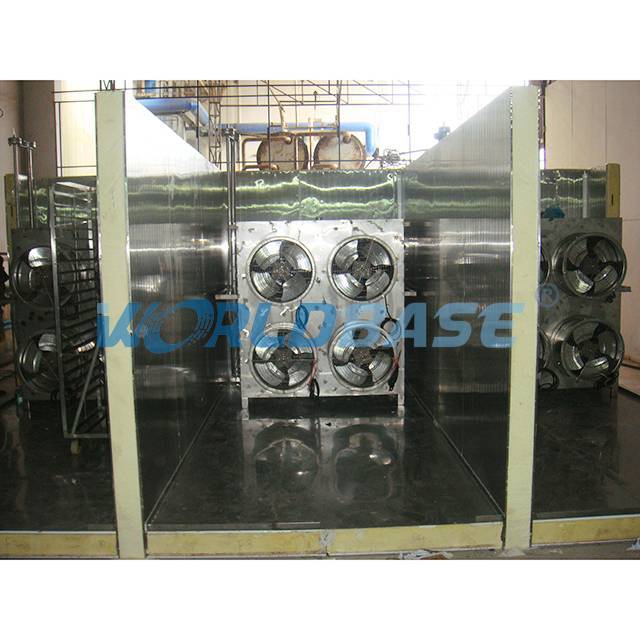
Gone are the days of hoping a refrigerated shipment stays within safe temperature ranges until it arrives. Smart telematics now deliver a steady stream of location, temperature, humidity, and even shock data straight from the trailer to the operations center. Sensors inside the cargo area talk to a compact gateway mounted on the vehicle, which then transmits readings over cellular or satellite networks every few minutes. This turns the cold chain from a blind relay into a transparent, trackable journey where every parameter is under constant watch.
Because the data arrives in real time, logistics teams can react the moment a reefer unit drifts toward the danger zone. Customizable alerts flag not just outright failures but subtle trends like a gradual rise in temperature that might indicate a door left ajar or a struggling compressor. Instead of discovering spoilage hours after the fact, operators can reroute the truck to the nearest service center or instruct the driver to adjust set points remotely. This level of proactive control slashes waste and protects high-value perishables such as pharmaceuticals and fresh produce.
Beyond immediate intervention, the continuous stream of telematics data builds a detailed performance history for every shipment. This audit trail satisfies regulatory requirements and gives quality managers the proof they need to demonstrate compliance with strict handling protocols. It also uncovers weak points in the supply chain—frequent temperature excursions on a particular route, for example—so companies can redesign packaging or adjust carrier contracts. In an era where consumers demand full traceability, smart telematics provide the oversight that turns cold chain logistics into a competitive advantage.
Solar-Powered Reefers Cut Emissions on the Move
Traditional diesel-powered reefers are notorious for their hefty carbon footprint, especially during idling at ports or distribution hubs. A quiet shift is now underway with solar-assisted units that harness sunlight directly from panels mounted on the trailer roof. This captured energy feeds into a battery bank, which can sustain cooling for hours without burning any fuel—slashing both emissions and noise during stops.
The real magic happens during transit. When the truck is moving, the sun constantly replenishes the batteries, reducing the load on the diesel engine's alternator and in some configurations fully disengaging the compressor from the engine. Fleet operators are reporting a noticeable drop in fuel consumption, often exceeding a 10% improvement, while still maintaining precise temperature control for sensitive cargo like pharmaceuticals or fresh produce.
Beyond the fuel savings, the technology opens doors for regulatory compliance in low-emission zones where diesel reefers face increasing restrictions. With fewer moving parts and less reliance on diesel, maintenance intervals stretch further, and the system's silent running capabilities make night deliveries in urban areas far more practical. It's a practical step that ties together economic sense with cleaner cold chain logistics.
Modular Designs Streamline Repair and Reuse Cycles
Breaking a product down into distinct, swappable modules fundamentally changes how we approach repair. Instead of wrestling with glued-in batteries or soldered components, a faulty part can be popped out and replaced in minutes. This simplicity encourages more people to actually fix their devices rather than discarding them, keeping functional electronics in circulation longer and reducing the stream of perfectly usable items heading to landfills.
The reuse side of the equation gets a huge boost when parts are designed to be repeatedly removed and reconnected without damage. Standardized connectors and straightforward layouts let someone harvest working components from a device with a broken screen or an outdated mainboard, and those parts can then serve as cost-effective spares for other units. This kind of interchangeability builds into the product an inherent second life that goes far beyond the original configuration.
Manufacturers who embrace this mindset often simplify their supply chains and inventory as well, because the same module might slot into several models or generations. The knock-on effect is a more predictable repair market and a sharper focus on durable, reusable building blocks rather than disposable whole products. It is a quiet shift from a linear take-make-waste pattern toward a loop where materials and value are preserved with every repair cycle.
Factory Automation Boosts Precision in Thermal Integrity
In modern manufacturing, maintaining thermal integrity is a cornerstone of product reliability, yet it often hinges on human vigilance. Factory automation transforms this landscape by deploying intelligent sensors and adaptive control loops that monitor temperature deviations in real time. Unlike manual checks, which are prone to delays and inconsistencies, automated systems react instantly, adjusting heating or cooling parameters to keep processes within tight tolerances. This not only prevents defects but also eliminates the subtle drifts that can compromise material properties over long production runs.
The integration of machine learning further refines thermal management. Algorithms trained on historical data can predict hotspots or thermal runaway before they occur, enabling preemptive adjustments. For instance, in electronics soldering, automated vision systems paired with thermal profiling ensure each joint reaches the exact temperature curve required, reducing variability from batch to batch. Such precision was once unattainable with conventional methods, where operators relied on experience and periodic sampling.
Beyond quality, automation enhances thermal integrity through closed-loop documentation. Every temperature data point is logged, creating a digital thread that supports traceability and compliance. Engineers can analyze this data to optimize processes continuously, leading to reduced energy consumption and less material waste. Ultimately, factory automation doesn’t just boost precision—it redefines what’s possible, turning thermal control from a reactive task into a strategic advantage.
Circular Manufacturing Approaches Minimize Waste
Factories are rethinking production from the ground up, designing products so they can be repaired, upgraded, or taken apart at the end of their life. Instead of the old take-make-discard model, materials like metals, plastics, and textiles keep circulating in closed loops. This shift doesn't just cut down on landfill waste—it often uncovers simpler, more resilient supply chains that depend less on raw extraction.
When a product reaches its end-of-life, it doesn't have to become trash. Designers now work with disassembly guides and material passports so every screw, panel, and circuit board can be reclaimed. Some manufacturers even lease products, ensuring they get them back for refurbishment. The result is a continuous flow of components and materials that stay in use far longer than expected.
What makes this approach practical is how it aligns cost savings with sustainability. By recovering value from returned goods instead of writing them off, companies buffer themselves against volatile material prices. It's a quieter kind of innovation—less about grandiose pledges and more about reengineering everyday processes so that waste stops being a byproduct and starts being a resource.
FAQ
They're increasingly using smart energy management systems that adjust power loads based on real-time demand, plus recovering waste heat from machinery to preheat other processes. Some even run partially on renewables like solar.
Factory innovation now includes super-insulating aerogels and vacuum panels that drastically reduce heat ingress. That means less energy needed to hold temperature, and thinner walls that boost cargo space without sacrificing thermal performance.
It’s not just about speed—automated precision cuts material waste by optimizing panel sizes and foam injection, and robotic assembly ensures consistent seals that prevent refrigerant leaks, which are a big greenhouse gas concern.
Yes, the shift to fully hermetic, inverter-driven compressors that run only at required capacity rather than full-blast is a big deal. Combined with natural refrigerants like CO2, they drop direct emissions and energy draw dramatically.
They’re moving toward high-strength, corrosion-resistant steel alloys that last longer, and design for modular repair—so a damaged panel can be swapped easily, extending the container’s life to 20+ years and reducing replacement demand.
Embedding sensors during manufacturing allows real-time tracking of temperature, humidity, and shock from day one. This data loop helps operators optimize routes and precooling, cutting food waste and unnecessary energy consumption across the cold chain.
Progressive factories now blueprint containers for disassembly, using materials that can be separated and recycled. They also offer take-back programs to repurpose old units into static cold storage or upcycle the metals, keeping them out of landfills.
Conclusion
Advanced insulation materials are reshaping reefer containers from the inside out. Vacuum-insulated panels and bio-based foams now dramatically lower thermal leakage, so cooling units draw far less power during transit. At the same time, embedded smart telematics bring live temperature and humidity tracking to logistics managers, flagging deviations before cargo is compromised. Some manufacturers even pair these sensors with predictive analytics, turning raw data into automated adjustments that keep perishables at ideal conditions without constant human checks. Out on the road, solar-panel-integrated reefers further cut diesel reliance by harvesting energy directly from the sun, trimming both fuel costs and carbon output mile after mile.
Behind the scenes, production lines are being reimagined with modular architectures that simplify disassembly and component reuse. Rather than welding entire bodies, factories now bolt together standardized panels, making repairs faster and extending the lifespan of each container. High-precision robotic assembly ensures consistent thermal seals, virtually eliminating heat bridges that once plagued hand-built units. This manufacturing shift goes hand in hand with circular principles: scrap metal from trimming processes is melted back into raw stock, insulation offcuts are reprocessed into new panels, and even retired reefers are systematically dismantled so their parts can feed future build cycles. Together, these factory-floor changes close resource loops and anchor the cold chain's push toward genuine sustainability.
Contact Us
Contact Person: Mr Yang
Email: [email protected]
Tel/WhatsApp: +8613809083091
Website: https://en.worldbase.cn