

Sustainable Style: Why an Eco-Friendly Boiler Suit is Your Next Wardrobe Staple
2026-07-27
Imagine a world where your wardrobe works as hard as you do—without costing the earth. The modern boiler suit has shed its industrial past to become a symbol of effortless, eco-conscious style. At the heart of this shift is DROTEX, a brand redefining workwear with sustainable materials and timeless design. Why settle for fast fashion when one piece can offer endless versatility and a lighter footprint? Step into a boiler suit that doesn’t just look good, but does good. Here’s why it deserves the spotlight in your closet.
The Green Side of Chic: More Than Just a Trend
Sustainable fashion has quietly evolved from a niche statement into a quiet revolution that reshapes how we think about style. It’s no longer about trading aesthetics for ethics—today’s eco-conscious pieces can be just as covetable as any runway staple. Designers are weaving organic cottons, recycled wools, and innovative plant-based leathers into garments that feel both luxurious and deliberate. The real shift? Green chic isn’t a marketing tag; it’s a natural extension of wanting clothes that tell a better story.
What sets this movement apart is the growing insistence on transparency and longevity. People are holding onto favorites longer, mending a torn seam instead of ditching a dress, and choosing versatility over fleeting trends. Brands that once coasted on buzzwords are now being asked the hard questions—where was this made, by whom, and with what. The result is a wardrobe built on fewer, better things, where each item carries a sense of intention rather than impulse.
Yet the beauty of it is that it never has to feel preachy or sparse. A crisp organic poplin shirt or a pair of reimagined vintage-cut jeans still delivers that effortless cool, just with a clearer conscience. The green side of chic is ultimately about redefining luxury: not the price tag, but the quality, the craft, and the respect woven into every thread. It’s a shift in values that just happens to look really good.
Material Matters: What Makes a Boiler Suit Truly Eco-Friendly
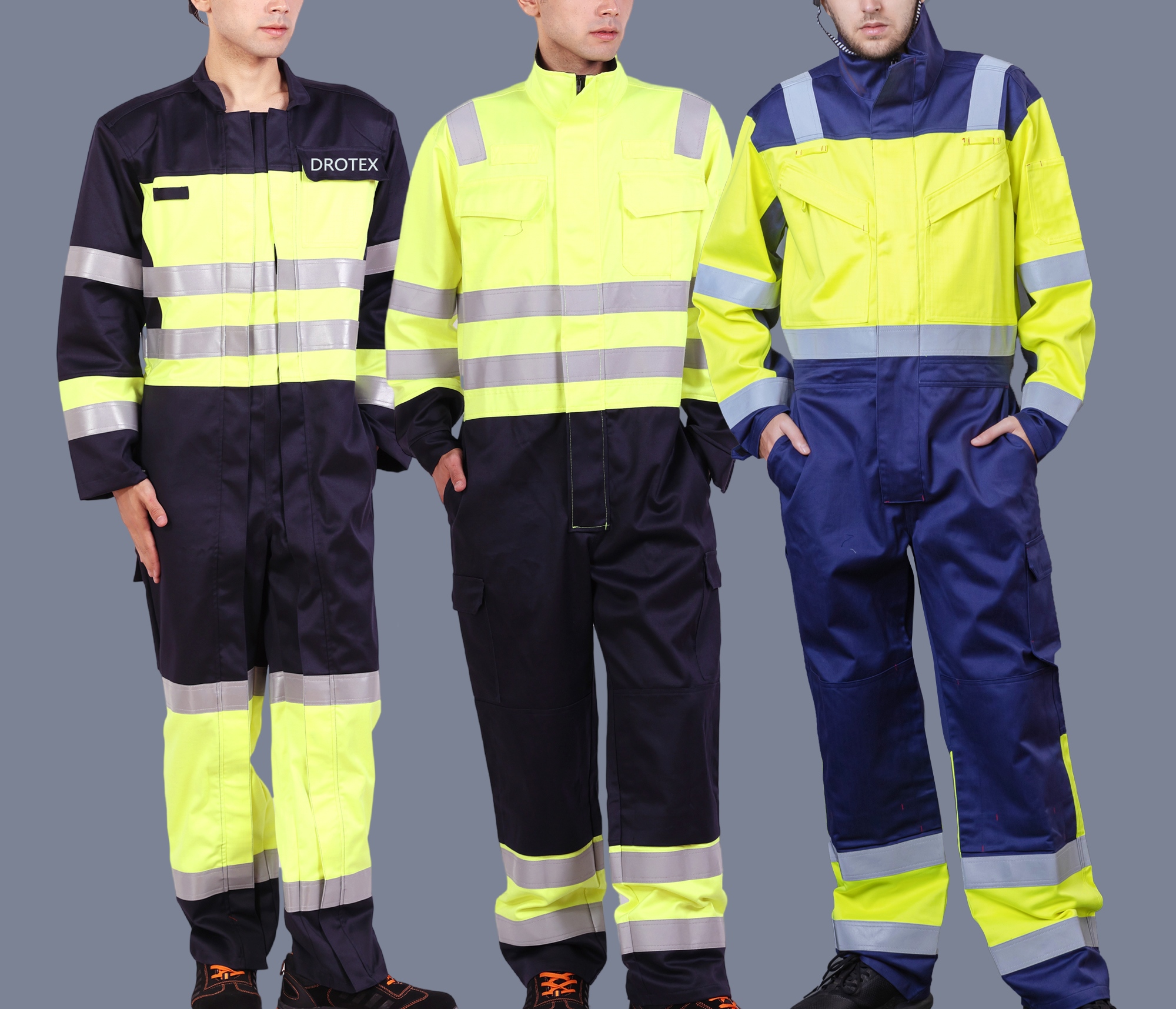
When it comes to crafting a boiler suit that treads lightly on the planet, the choice of fabric is everything. Conventional cotton, for instance, guzzles water and relies heavily on pesticides. Instead, organic cotton offers a cleaner start—grown without synthetic chemicals and often using rain-fed irrigation. This shift not only protects soil health but also safeguards the farmers and surrounding ecosystems from toxic exposure. A truly mindful boiler suit begins here, with fibers that honor the land they came from.
Beyond the raw material, how the fabric is processed plays an equally vital role. Look for boiler suits dyed with natural, plant-based colors or low-impact dyes that skip harsh chemical baths. Many conventional dyeing methods dump toxins into waterways, but innovative closed-loop systems recycle water and capture harmful runoff. Even better are undyed or unbleached versions, which retain the fiber’s original hue and drastically reduce the environmental footprint.
Longevity and end-of-life matter just as much. A truly responsible boiler suit is built to last, reducing the need for frequent replacements. Reinforced stitching, robust zippers, and timeless design extend its useful life. And when it finally wears out, materials like organic cotton or hemp can biodegrade naturally, returning to the earth without leaving a trace. Some forward-thinking brands even take back old garments to recycle or compost, completing the loop.
Versatility Unleashed: From Workwear to Runway
What once lived strictly within the confines of industrial settings has broken free, striding confidently onto the fashion landscape. Cargo pants, boiler suits, and heavy-duty fabrics have been reimagined with tailored cuts, unexpected textures, and nuanced details, effortlessly bridging the gap between utilitarian function and runway fantasy. This transformation isn't just about repurposing—it's a narrative shift where toughness meets refinement, and practicality becomes a statement of style.
Designers are now treating workwear staples as blank canvases, stripping them of their purely functional origins to explore proportion, structure, and versatility. A classic chore coat might appear in silk twill with oversized pockets, or a mechanic’s jumpsuit gets cinched with a leather belt and paired with heels, blurring the lines between workday uniform and evening attire. This crossover speaks to a craving for clothing that adapts—pieces that move with you from morning commutes to impromptu events without missing a beat.
The modern wardrobe increasingly demands this duality: pieces that feel substantial yet elegant, protective yet breathable, foundational yet fresh. Workwear's resilience offers a counterbalance to fleeting trends, grounding high fashion in something recognizably human. It’s a fusion that celebrates the beauty of utility, proving that the most enduring statements often start with a simple, well-made tool of the trade.
Seasonless Appeal: An Outfit That Defies Fast Fashion Cycles
The idea of seasonless dressing isn’t just about wearing the same clothes year-round—it’s a quiet rebellion against the relentless churn of fast fashion. When a garment refuses to be pinned down by spring florals or autumn knits, it becomes something more valuable: a piece that works on its own terms. Think of a well-cut linen blazer that feels just as natural over a sundress as it does layered under a wool coat, or heavyweight cotton trousers that breathe in summer yet hold their own when temperatures drop. These items don’t shout for attention; they slip into your daily rhythm without demanding a complete wardrobe overhaul every few months. By sidestepping the pressure to chase trends, they carve out space for a more intentional way of getting dressed.
Building a closet around this principle means looking for fabrics and silhouettes that adapt rather than dominate. It’s about favoring sturdy twills, crisp poplins, and fine-gauge merino wool that age beautifully instead of disintegrating after one season. More than that, it’s a shift in mindset: instead of asking “Is this trendy?” start asking “Will this still feel like me in five years?” The real pleasure comes from watching a favorite piece develop character over time—the softened collar, the subtle fade, the way it remembers your movements. In a culture addicted to newness, that kind of loyalty to a handful of well-chosen items is its own form of resistance.
Styling Without Guilt: How to Make It Your Own
Personal style doesn't need to be loud to feel authentic. It's less about following trends and more about letting your own preferences lead the way. When you stop worrying about what's expected, you create space to experiment with pieces that actually make you happy—whether that's a worn-in denim jacket or a vivid scarf you found at a market. The key is to focus on how you feel in what you wear, not how it might be perceived by others.
Making a style your own often means embracing the quirks you once tried to hide. That vintage band tee with a delicate silk skirt? It works because you decided it does. There's a quiet confidence that comes from mixing things that shouldn't go together on paper, allowing your individuality to surface naturally. It's not about curating a perfect look, but about building a wardrobe that tells a story only you can tell.
Guilt-free styling starts with realization that your wardrobe should serve your life, not the other way around. Acknowledge the pieces you love but never wear, and let them go without regret. Replace them with items that fit your daily rhythm and spark a little joy each time you put them on. When your clothes align with who you really are, getting dressed feels effortless—like a daily act of self-care rather than a performance.
Where Craft Meets Conscience: Brands Leading the Change
A quiet revolution is unfolding in workshops and studios where the hum of sewing machines mingles with conversations about fair wages and carbon footprints. It's no longer enough to produce a beautiful object; the story behind its creation has become inseparable from its appeal. Smaller, independent labels are setting the pace, proving that exquisite craftsmanship and ethical sourcing aren't mutually exclusive. They're forging direct partnerships with artisan cooperatives, paying above-market rates, and investing in local communities that have safeguarded traditional techniques for generations. The result is a product that carries a palpable sense of intention—a hand-stitched bag that helped fund a village school, or a naturally dyed garment that revived forgotten botanical knowledge.
Larger houses are also waking up to this shift, though their scale makes authenticity a steeper climb. Some are moving beyond box-ticking sustainability reports and embedding circular principles into the very fabric of their operations—designing for disassembly, offering lifetime repair services, and transparently mapping their supply chains down to the raw material. There's a growing realization that modern luxury consumers, particularly those under forty, are less impressed by heritage alone and more by a brand’s willingness to internalize its true costs. The conversation has moved from 'less bad' to actively regenerative: brands that give back more than they extract, whether by restoring grasslands, sequestering carbon through regenerative farming, or simply ensuring that every pair of hands in their chain earns a living wage. It's a delicate balance, holding space for both artistry and accountability, but those who dare to merge the two are not just selling products—they're selling a vision of commerce that might just help stitch the world back together.
FAQ
An eco-friendly boiler suit is crafted from sustainable materials like organic cotton, recycled polyester, or Tencel, and often produced using low-impact dyes and ethical manufacturing processes that minimize waste and water usage.
For a relaxed vibe, pair it with canvas sneakers, roll up the sleeves, and add a canvas tote bag. You can also throw on a denim jacket for layering.
Yes, tailored fits in neutral colors like black, navy, or olive can look polished. Add a blazer, heeled boots, and minimal jewelry to elevate the look for a creative workplace.
Its one-and-done design simplifies getting dressed, offers versatility across seasons, and transitions easily from day to night with accessory changes.
Check for certifications like GOTS, OEKO-TEX, or Fair Trade. Examine fabric blends for natural or recycled fibers and ensure the brand provides transparency about their supply chain.
Wash it in cold water on a gentle cycle, air dry when possible, and spot clean to extend time between washes. Repair minor damages instead of discarding.
Definitely. With adjustable waists, relaxed fits, and options for belted or tapered styles, you can find a cut that accentuates your shape comfortably.
They work year-round. Opt for lightweight linen blends in summer, and layer with turtlenecks and boots in winter. Mid-weight cotton is perfect for spring and fall.
Conclusion
Eco-friendly boiler suits are redefining what it means to dress with purpose—blending ethics, aesthetics, and longevity in a single garment. No longer confined to workwear, these pieces prove that sustainability can look effortlessly chic. The shift toward plant-based fibers, recycled textiles, and non-toxic dyes ensures that each suit leaves a lighter footprint without compromising on structure or comfort. Thoughtfully designed by brands that prioritize transparency and fair labor, the modern boiler suit becomes a quiet statement of values. It rejects the transient hype of seasonal trends, instead offering a timeless silhouette that adapts across occasions—whether belted over a tee for weekend errands, layered under a blazer for creative offices, or worn alone for an evening out. Its functional details, like deep pockets and durable stitching, speak to a slower, more intentional way of consuming fashion.
What truly sets this wardrobe essential apart is its transformative versatility. The one-and-done nature of a boiler suit simplifies dressing while maximizing style potential. With a change of accessories or footwear, it transitions from utilitarian ease to polished minimalism, making it a pragmatic choice for capsule wardrobes and busy lifestyles. This adaptability challenges the fast fashion model, encouraging fewer but better choices. Style becomes a form of self-expression unburdened by guilt, grounded in pieces that honor both the maker and the planet. By investing in a beautifully crafted eco-friendly boiler suit, you’re not just updating your closet—you’re embracing a mindset where fashion and responsibility coexist beautifully, season after season.
Contact Us
Contact Person: Sandy
Email: [email protected]
Tel/WhatsApp: 86150 8310 5120
Website: https://www.frdrotex.com