

Top Laser Cutting Machine: Leading Manufacturers in China
2026-01-07
China has emerged as a global powerhouse in laser cutting technology, driving innovation with precision and efficiency. In this competitive landscape, manufacturers like JIAN MENG are at the forefront, shaping industries with cutting-edge solutions. As we delve into the top laser cutting machine leaders in China, discover how these advancements are transforming manufacturing worldwide. From high-speed production to intricate designs, uncover the brands that set the standard. Stay tuned to explore what makes these machines—and companies such as JIAN MENG—essential for modern fabrication.
Innovations in Precision Laser Cutting Technology
In recent years, precision laser cutting technology has undergone significant advancements, pushing the boundaries of what's possible in manufacturing and design. One of the most notable innovations is the integration of artificial intelligence (AI) and machine learning algorithms into laser systems. This allows for real-time adjustments during the cutting process, automatically compensating for material inconsistencies or environmental factors like temperature variations. For instance, smart lasers can now detect and adapt to minute changes in metal thickness, ensuring consistently razor-sharp cuts without human intervention. This leap forward not only boosts efficiency but also reduces waste, as precise control minimizes errors and rework.
Another groundbreaking development is the rise of ultrafast lasers, such as femtosecond and picosecond lasers, which operate at incredibly short pulse durations. These lasers excel at cutting delicate or heat-sensitive materials—like polymers, glass, or even biological tissues—with minimal thermal damage. By delivering energy in bursts measured in trillionths of a second, they vaporize material so quickly that surrounding areas remain cool and untouched. This innovation has opened up new applications in fields from microelectronics to medical devices, where traditional lasers might cause melting or distortion. It's a game-changer for industries requiring micron-level precision without compromising material integrity.
Furthermore, enhanced automation and connectivity features have revolutionized precision laser cutting systems. Modern setups often include advanced sensors and Internet of Things (IoT) capabilities, enabling seamless integration with other factory equipment for streamlined workflows. Operators can now monitor and control laser cutters remotely via digital interfaces, accessing real-time data on performance metrics like speed, accuracy, and energy consumption. This connected approach not only improves productivity by reducing downtime but also allows for predictive maintenance, spotting potential issues before they lead to costly breakdowns. As a result, businesses can achieve higher throughput and more reliable outputs, making laser cutting more accessible and versatile than ever before.
Top Chinese Manufacturers and Their Market Impact
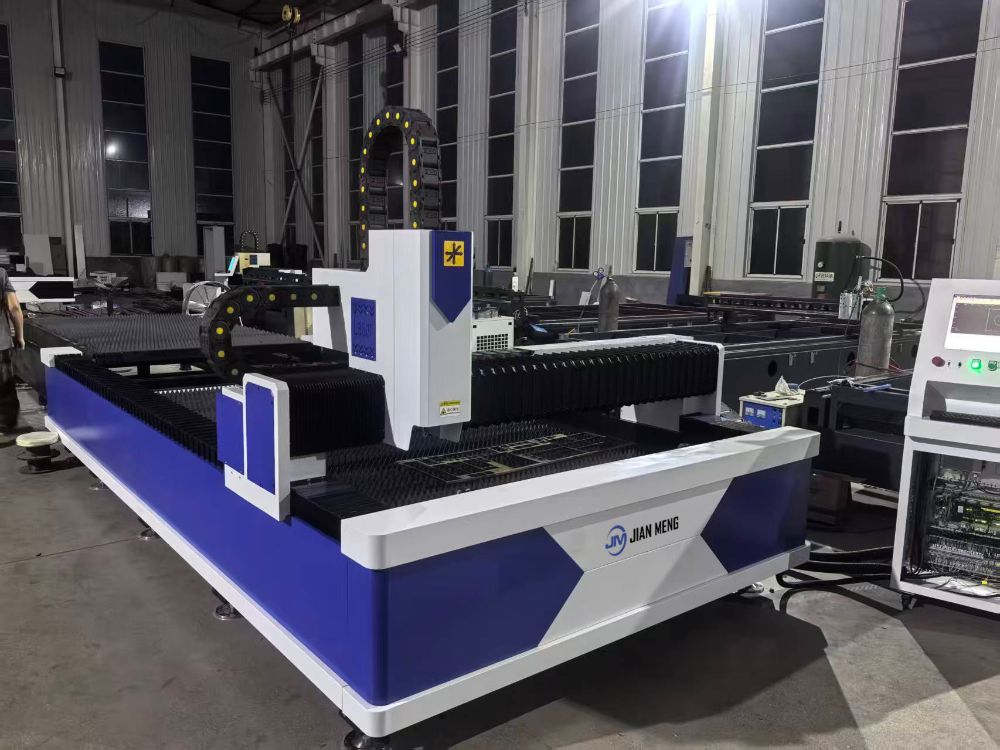
Chinese manufacturers have become pivotal players in the global marketplace, driving innovation and reshaping industries. From tech giants like Huawei and Lenovo to automotive leaders such as BYD, these companies leverage advanced production capabilities and strategic investments to offer competitively priced, high-quality products. Their influence extends beyond borders, impacting supply chains and consumer trends worldwide, making them essential partners for businesses seeking growth and resilience.
In sectors like electronics and machinery, Chinese manufacturers contribute to significant market dynamics through rapid scaling and adaptability. For instance, companies like Foxconn and Xiaomi have mastered mass production while integrating smart technologies, which helps meet rising global demand efficiently. This agility not only boosts their market share but also fosters collaboration and competition, encouraging other regions to innovate in response to shifting economic landscapes.
Looking ahead, the continued expansion of Chinese manufacturers is set to further transform global trade patterns. With a focus on sustainability and digitalization, firms like Haier and CATL are pioneering green solutions and energy storage, influencing policies and consumer preferences. Their market impact reinforces China's role as a hub for technological advancement and economic synergy, offering insights into future industrial trends and opportunities.
Key Features of Advanced Laser Cutting Systems
Advanced laser cutting systems stand out by integrating high-power fiber lasers that deliver exceptional cutting speeds and precision, often achieving tolerances within micrometers. Unlike conventional systems, these utilize adaptive optics to dynamically adjust beam focus, allowing for seamless transitions between materials like stainless steel, aluminum, and composites without manual recalibration. This adaptability not only boosts productivity but also reduces material waste, making them ideal for industries demanding rapid prototyping and high-volume production with minimal downtime.
Another defining feature is the incorporation of AI-driven software that monitors cutting processes in real-time, predicting potential errors before they occur. By analyzing data from sensors embedded in the system, it can optimize parameters such as laser intensity and gas flow on-the-fly, ensuring consistent quality across complex geometries. This intelligent automation minimizes human intervention, leading to lower operational costs and enhanced safety, while also enabling remote diagnostics for quick troubleshooting from anywhere in the world.
Additionally, many advanced systems feature modular designs that allow easy upgrades and customization, such as swapping out laser sources or adding robotic arms for automated material handling. This flexibility supports evolving manufacturing needs, from small-scale artisanal work to large-scale industrial applications, all while maintaining energy efficiency through regenerative power supplies. With these innovations, modern laser cutters redefine precision manufacturing by blending cutting-edge technology with user-centric design for long-term reliability.
Applications Across Various Industries
Businesses today are leveraging innovative solutions tailored to their specific needs, finding practical uses beyond general expectations. In manufacturing, real-time monitoring systems streamline production lines while minimizing downtime—companies like automotive plants adjust machinery on-the-fly based on sensor data. Healthcare providers integrate personalized tools into patient care, such as remote diagnostics that allow doctors to assess symptoms from afar, improving access in underserved areas. These examples highlight how adaptability drives value across sectors, often starting with small pilot projects that expand into core operations.
Diverse fields from agriculture to finance are seeing unprecedented shifts as tools evolve to address unique challenges. Farmers employ precision techniques using drones and soil sensors to optimize crop yields, reducing waste and environmental impact, while financial firms deploy algorithms to detect fraud in milliseconds, safeguarding transactions globally. Education has transformed too, with platforms offering interactive learning experiences that adapt to student progress, making education more engaging and effective. Rather than following trends, leaders in these areas focus on solving tangible problems, leading to sustained growth and innovation.
What sets successful implementations apart is their ability to blend seamlessly into existing workflows while offering measurable results. Retailers use customer analytics to craft personalized shopping experiences, boosting loyalty without overwhelming staff, and energy companies manage grids intelligently to balance supply and demand, cutting costs and emissions. This practical approach ensures technologies aren't just add-ons but integral parts of daily operations, fostering resilience and competitive advantage in an ever-changing market landscape.
Comparison of Leading Models and Specifications
When delving into the world of model comparisons, it's essential to look beyond just raw numbers and checkboxes; the real insights often lie in how different models handle real-world tasks under varied conditions. For instance, some models might excel in processing speed while sacrificing a bit on accuracy, whereas others prioritize robustness at the expense of computational efficiency. By examining specifications such as training data size, architectural complexity, and inference latency, one can tailor choices to specific needs—be it for high-stakes decision-making or resource-constrained environments.
A closer look at leading contenders reveals nuanced trade-offs that aren't always evident from spec sheets alone. Take, for example, how certain models leverage innovative techniques like attention mechanisms or sparse activations to outperform rivals in benchmarks, yet might require more tuning to achieve optimal results in practical applications. This highlights the importance of considering contextual factors, such as deployment scenarios and integration ease, which can significantly impact overall performance and user satisfaction.
Ultimately, comparing models and specifications isn't just about picking the top-ranked one; it's about finding the right fit based on a holistic assessment. Factors like community support, update frequency, and compatibility with existing tools can make a substantial difference in longevity and adaptability. By emphasizing these aspects, stakeholders can make more informed decisions that balance immediate gains with long-term viability, ensuring their selections stand out in a crowded market.
Future Trends and Industry Developments
As we peer into the horizon of technological advancement, it's clear that industries are undergoing a transformative shift driven by emerging technologies and evolving consumer demands. One standout trend is the rise of hyper-personalization, where businesses leverage AI and big data to tailor experiences with unprecedented precision, moving beyond one-size-fits-all approaches to create unique customer journeys that foster loyalty.
Another pivotal development is the growing emphasis on sustainability and ethical practices, propelled by societal pressures and regulatory changes. Companies are increasingly integrating circular economy principles into their operations, reducing waste and embracing renewable resources to build resilient supply chains that appeal to eco-conscious consumers. This shift isn't just about compliance; it's becoming a competitive advantage that shapes brand reputation.
Looking ahead, the convergence of technologies like IoT, 5G, and edge computing is poised to accelerate innovation across sectors such as healthcare and logistics, enabling real-time data processing and enhanced connectivity. By staying agile and adopting these tools early, organizations can navigate disruptions and seize opportunities in an ever-changing landscape, ensuring long-term relevance in a dynamic global market.
FAQ
Leading Chinese manufacturers in this field include Han's Laser, Bodor Laser, HSG Laser, and Gweike Cloud, known for their innovation and global market presence.
Chinese manufacturers have significantly improved quality, offering competitive precision and durability, often at more affordable prices than Western counterparts.
Popular types include fiber laser cutters for metal, CO2 lasers for non-metals, and hybrid models that combine cutting with engraving capabilities.
Yes, many Chinese companies produce compact and cost-effective models ideal for small-scale operations, with good customer support for beginners.
They've integrated smart features like IoT connectivity, automated material handling, and AI-assisted optimization for efficiency and minimal waste.
Check for certifications like CE or ISO, read user reviews, request demos or samples, and consider manufacturers with long-term warranties and service networks.
These machines are widely used in industries such as automotive, aerospace, electronics, signage, and jewelry for precise cutting and engraving.
Many provide custom solutions, including tailored software, specialized cutting heads, and configurations to meet specific production needs.
Conclusion
The Chinese laser cutting machine industry has rapidly evolved into a global powerhouse, driven by leading manufacturers who prioritize innovation in precision technology. These companies have transformed laser cutting systems through advancements like fiber lasers and AI-driven automation, enhancing cutting accuracy and efficiency to micron-level tolerances. Key features such as high-speed cutting, minimal thermal distortion, and integrated software solutions set these machines apart, enabling applications across diverse sectors from automotive and aerospace to electronics and healthcare. By combining cutting-edge technology with robust manufacturing capabilities, Chinese firms effectively address complex industrial demands while maintaining competitive pricing, solidifying their market impact worldwide.
A comparison of top models reveals that leading manufacturers offer versatile specifications tailored to various needs, from small-scale workshops to large industrial plants, with options for different power outputs and material compatibilities. Looking ahead, future trends point toward smart manufacturing integration, IoT connectivity, and sustainable practices, ensuring continuous growth in the industry. As these developments unfold, Chinese manufacturers are poised to lead in shaping global standards, pushing boundaries in laser cutting applications and reinforcing their dominance through ongoing innovation and strategic market expansion.
Contact Us
Contact Person: Jeanie
Email: [email protected]
Tel/WhatsApp: +86 19805122954
Website: https://www.jianmeng.com