

Top Maize Grinding Machine: Your Guide to Superior Milling Efficiency
2026-06-16
Achieving superior milling efficiency is the heartbeat of any successful maize processing operation. From throughput to consistency, every detail matters—and the right grinding machine can transform your entire production line. In this guide, we’ll cut through the noise and focus on what truly counts, spotlighting how PINGLE redefines performance with innovative, reliable solutions. Get ready to unlock the full potential of your milling process.
Core Mechanics Behind Effective Maize Crushing
At the heart of any efficient maize crushing operation lies the interplay between compressive and impact forces. The process begins with precise kernel feeding into the crushing chamber, where rotating hammers or rollers strike the grain at high speed. This initial impact fractures the tough outer hull, exposing the starchy endosperm. But effective crushing isn't just about raw power—it’s about controlled energy transfer. The gap between moving and stationary elements is meticulously calibrated to ensure each kernel experiences just the right amount of force to shatter without generating excessive heat, which can damage nutrients and alter the meal’s functional properties.
Beyond mere size reduction, the machine’s internal geometry dictates the flow path of the material. Turbulence created by the hammers combined with strategically placed screens determines not only particle size but also the uniformity of the final product. As the maize circulates within the chamber, centrifugal force pushes the partially crushed pieces against a perforated screen, allowing only fines to exit while larger fragments are re-circulated for further reduction. This self-classifying action prevents over-grinding and ensures a consistent output, which is vital for downstream processing—whether for animal feed, ethanol production, or food-grade flour.
Wear resistance and dynamic balance are equally critical. The abrasive nature of maize kernels means that even minor imperfections in rotor balance can lead to vibration, bearing failure, and uneven crushing over time. Modern equipment often employs tungsten carbide-coated wear parts and computer-aided balancing to extend service life. Moreover, variable speed drives allow operators to fine-tune the crushing intensity based on kernel hardness and desired texture, marrying mechanical precision with practical adaptability. This harmony of force distribution, material flow, and durability engineering is what transforms a simple grinding task into a truly effective maize crushing system.
Selecting the Right Grinding Plates for Your Operation
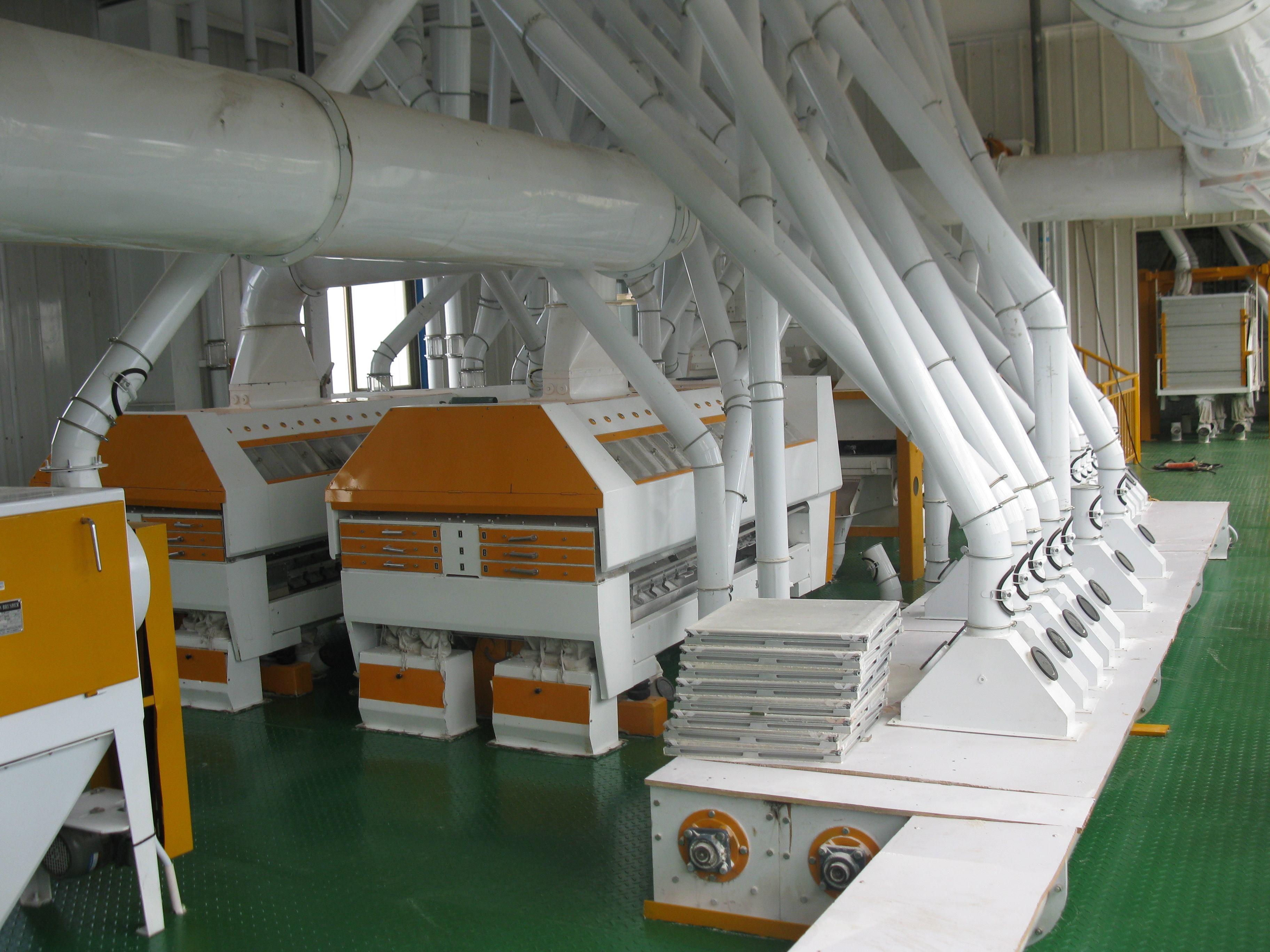
Matching the plate material to your feedstock is where most operations go wrong. Soft or fibrous materials demand aggressive tooth profiles and wider openings to prevent clogging, while hard, brittle inputs call for tighter clearances and harder alloys that resist wear without chipping. If you’re swapping plates too often or seeing inconsistent particle size, it’s rarely the machine—it’s a material mismatch that a simple change in plate geometry can fix.
Throughput and particle shape are shaped as much by the plate design as by the material itself. A plate with steep cutting angles and coarse teeth will process volume but might sacrifice uniformity, whereas a finer pattern with multiple cutting stages gives you control at the expense of speed. The sweet spot comes from testing different configurations at your target gap setting and amp load—don’t just rely on catalog specs.
Uptime and maintenance tell the real story. Plates that need frequent dressing or replacement eat into your margins faster than a slight premium upfront. Look beyond upfront cost and consider edge retention, ease of installation, and how well the design handles tramp metal or moist feed. A plate that stays sharp longer and clears itself without bridging will often outperform a ‘heavy-duty’ option that’s never really been field-tested in your conditions.
Mastering Moisture Content for Optimal Flour Texture
Getting the moisture level just right in flour isn't a simple numbers game—it's a tactile skill that separates good bakers from great ones. When you handle flour that's been stored properly, you'll notice it flows freely yet clumps slightly when pressed, a sign that the humidity hasn't crept in to tighten the proteins prematurely. Too dry, and your dough fights back, refusing to hydrate evenly and leaving you with crumbly, lackluster results. Too damp, and you're inviting sticky disasters where gluten structure breaks down before it can even form. The sweet spot sits around 13-14% for most all-purpose flours, but your own kitchen's ambient moisture often demands small adjustments on the fly.
Instead of treating moisture like a rigid target, learn to read the flour's behavior. High hydration doughs, think ciabatta or focaccia, thrive when you gradually incorporate water and pause often to let the starch and protein fully absorb it—this builds a strong, elastic web that traps gas and yields an open crumb. For pastry work, a slightly lower moisture base keeps butter cold and distinct, creating those coveted flaky layers. A simple pinch test can guide you: grab a small handful and squeeze; if it holds its shape briefly then crumbles, you're in the zone. Over time, your hands will know the feel before your brain registers the percentage, and that instinct nudges every bake toward ideal texture.
Maintenance Hacks That Prevent Downtime
Downtime often starts with small, ignored details—a loose bolt here, a whining fan there. The simplest hack is to treat your equipment like a living thing that gives warning signs. For example, instead of just greasing bearings on a schedule, listen to them with a screwdriver pressed to your ear. A faint grinding sound might mean you've caught a failure weeks before it strands your production line.
Another effective trick is to map out your critical spares and create a visual board near the machine. Color-code each part: green for in-stock, yellow for low, red for out-of-stock. When operators see a part hit yellow, they know to order it before the red triggers a scramble. This simple visual system has saved factories days of waiting for parts that should have been on the shelf.
Finally, turn shutdowns into quick-hitting pit stops. Have pre-staged toolkits and clearly labeled isolation points, so instead of hunting for a wrench or guessing which valve to close, your team moves like a racing crew. Practice these mini-maintenance sprints on a regular basis, and you'll turn what used to be half-day outages into 30-minute tune-ups.
Energy-Saving Adjustments Without Sacrificing Output
Trimming energy consumption often sparks fears of reduced performance, but modern approaches flip that logic on its head. By tuning equipment to run precisely at demand levels instead of flat-out all the time, operations can shave off significant waste without ever touching output numbers. Simple moves like recalibrating temperature setpoints closer to actual process needs or staging motor startups so they don’t all spike at once keep the work flowing while meters slow down.
Another layer hides in how machines breathe and cool themselves. Optimizing airflow paths, cleaning heat exchangers before they clog, and letting variable-speed drives respond to real-time loads can cut auxiliary power use by double-digit percentages. The beauty is none of this asks for slower cycles or thinner batches—just smarter control over the energy that otherwise slips away as heat, vibration, or idle hum.
Behavioral tweaks round out the equation without feeling like sacrifice. Training teams to spot compressed air leaks as part of their routine, or scheduling energy-hungry tasks during off-peak hours when renewables are plentiful, builds a culture where efficiency and throughput run in parallel. It’s less about doing with less and more about stripping out the invisible overhead that never added value in the first place.
Real-World Tips From Mill Operators
When the grind gets tough, seasoned operators don’t reach for a manual—they tap into years of trial and error. One piece of hard-won wisdom is to listen to the mill’s “voice.” Changes in sound often signal a shifting load or liner wear long before instruments catch up. A sudden deepening hum might mean recirculating load is climbing; a higher-pitched chatter can point to underloading. Trusting your ears, then verifying with data, keeps surprises to a minimum.
Another under-the-radar tactic is managing slurry pooling. Operators who have dealt with wet milling know that a choked mill not only wastes energy but also beats up liners and media. Simple fixes—like adjusting water addition at the feed chute rather than relying solely on sump dilution—can break up the pool. Some mills even saw throughput gains just by repositioning spray bars to hit the kidney zone more effectively. Small plumbing tweaks often beat large capital projects.
Beyond the mechanics, smart operators lean hard on shift-change notes. Details that never make it into formal reports—like a slight temperature spike on the pinion bearing after a certain ore type, or a particular vibration pattern before a bolt loosens—become valuable early warnings. Building a culture where these observations are shared, not dismissed, turns collective experience into a self-correcting system that keeps mills running smoothly.
FAQ
Start by evaluating your production volume—smaller mills work for occasional use, while large scale operations demand robust motors and high throughput. Look at the grinding mechanism: hammer mills handle diverse grain sizes well, plate mills offer consistent fine flour. Examine build materials like cast iron for durability and stainless steel for food safety. Ease of maintenance, spare parts availability, and energy consumption also play huge roles in daily operations.
A hammer mill uses rotating hammers that shatter maize kernels against a screen, producing a range of particles from coarse grits to flour depending on screen size. It handles impurities and uneven grains easily. A plate mill relies on two abrasive plates—one stationary, one rotating—to shear and crush the grain, giving a more uniform fine flour ideal for baking. Hammer mills tend to be faster, while plate mills produce less heat and preserve flavor better.
Regular cleaning prevents buildup that can reduce efficiency and contaminate flour. Check and replace worn hammers, screens, or plates promptly—dull components force the motor to work harder. Lubricate bearings as specified by the manufacturer, and inspect belts for tension and cracks. Keep the machine level to avoid uneven wear. Every few months, verify the alignment of moving parts and test the safety cut off switches.
Screen size directly controls the particle size of the output. A smaller screen forces the maize to be ground finer, producing soft flour suitable for tortillas or bread. Larger screens yield coarser grits for animal feed or porridge. It’s not just about passing through—screen hole shape and open area also influence flow rate. Changing screens lets you switch between products without buying extra machines.
Overheating often points to dull grinding elements or overloading—inspect and sharpen or replace parts, and feed grain steadily. Inconsistent flour usually means worn plates or damaged screens; swap them out. Unusual vibrations could indicate imbalanced rotors or loose bolts—tighten everything and check for bent shafts. If the machine trips the circuit breaker, look for blocked material causing motor strain or a failing capacitor.
Seal all connection points between hopper, grinding chamber, and collection bin. Use a central dust extraction system or a simple baghouse to capture airborne particles. Properly grounding the equipment reduces static electricity that makes dust cling. Wetting the maize slightly before grinding—if the process allows—also cuts down on fine dust, but be careful not to introduce moisture that could rust the machinery.
Always disconnect power before any cleaning or maintenance. Never bypass safety interlocks on doors or covers. Wear dust masks and goggles, and avoid loose clothing that could get caught in moving parts. Keep bystanders, especially children, at a distance. Ensure the area is well lit and free of combustible dust layers. A fire extinguisher rated for electrical fires should be nearby.
A well built machine reduces downtime and repair costs over years of use. Consistent grinding quality protects your product reputation, whether you sell flour or use it for livestock. Energy efficient models lower operating expenses substantially. Resale value remains decent for reputable brands. Ultimately, reliability lets you focus on growing your business instead of battling equipment failures.
Conclusion
Getting the most out of a maize grinding machine starts with understanding how the core mechanics work together. The crushing action relies on precise contact between rotating plates, where the distance, groove pattern, and material play decisive roles in how effectively kernels break down. Operators soon learn that matching plate types to the desired texture isn’t a one-size-fits-all task—coarse grits demand a different configuration than superfine flours, and swapping them becomes second nature once you’ve tasted the difference in the final product. Moisture content sneaks up as the silent variable: maize that’s too dry shatters unpredictably and yields harsh, uneven particles, while overly moist kernels gum up the chamber and bog down the motor. The sweet spot often hovers between 13 and 15 percent, and seasoned millers develop a knack for judging it by simply pressing a kernel between thumb and forefinger. When you dial in these physical factors, the machine almost hums with satisfaction, delivering consistent throughput without choking or spraying fines everywhere.
Beyond the daily grind, smart maintenance and energy tweaks separate the reliable operations from those plagued by sudden downtime. A quick post-run brush-out and monthly plate inspection prevent the slow buildup that silently robs efficiency, while listening for unusual vibrations or bearing heat can alert you to trouble before a shaft seizes. Many small adjustments cost nothing—like staggering feed rates to match motor load or sifting out chaff before milling—and they collectively trim power bills without sacrificing output. The best advice, though, comes straight from the shop floor: veteran operators stress that rushing the hopper never beats a moderate, steady pour, and they swear by recording each setting change so that repeat batches emerge identical week after week. Some even retrofit simple water spray nozzles to condition grain on the fly, reinforcing how ingenuity often outperforms expensive upgrades. These ground-level insights, combined with a disciplined routine, turn a standard maize grinder into a dependable asset that pays off in both flour quality and peace of mind.
Contact Us
Contact Person: Jiakuo Wu
Email: [email protected]
Tel/WhatsApp: +86-13011566087
Website: https://www.pinglemachine.com