

Wire Flattening and Shaping: The Ultimate Guide to Custom Solutions for Precision Engineering
2026-01-31
In the intricate world of precision engineering, where every micron counts, achieving flawless wire flattening and shaping can be the difference between success and failure. Welcome to 'Wire Flattening and Shaping: The Ultimate Guide to Custom Solutions for Precision Engineering,' where we delve into the techniques and innovations that drive excellence in this critical field. Whether you're pushing the boundaries of aerospace, medical devices, or electronics, mastering these processes is essential for creating components that meet stringent standards and deliver peak performance. At GRM, we specialize in cutting-edge rolling mill technology that transforms raw materials into precise, custom shapes with unparalleled accuracy. In this guide, we'll explore how GRM's expertise can empower your projects, offering insights and practical tips to elevate your engineering outcomes. Get ready to discover the secrets behind superior wire processing and unlock new possibilities for your applications.
Understanding Wire Flattening Techniques for Custom Engineering Projects
In custom engineering projects, wire flattening is often the unsung hero that transforms ordinary components into precision tools. Unlike standard wire shaping, flattening involves carefully compressing wires to achieve specific thicknesses and widths, opening up a world of design possibilities. Engineers leverage techniques like rolling or hammering, tailored to materials such as copper or steel, to create durable, flat profiles that enhance structural integrity and fit snugly into compact devices.
The artistry of wire flattening lies in its adaptability; for example, in aerospace applications, it allows for lightweight yet robust wiring that withstands extreme conditions. By adjusting pressure and temperature, artisans can fine-tune the process, ensuring each flattened wire meets exact specifications for conductivity or flexibility without compromising strength. This hands-on approach not only boosts performance but also adds a touch of craftsmanship to high-tech projects.
Beyond basic functionality, flattened wires drive innovation in areas like robotics and medical devices, where space constraints demand ultra-thin yet powerful connections. By mastering these techniques, engineers can push boundaries, creating custom solutions that outshine off-the-shelf parts with their tailored precision and reliability, making every project a standout in its field.
Essential Tools and Equipment in Precision Wire Shaping Processes
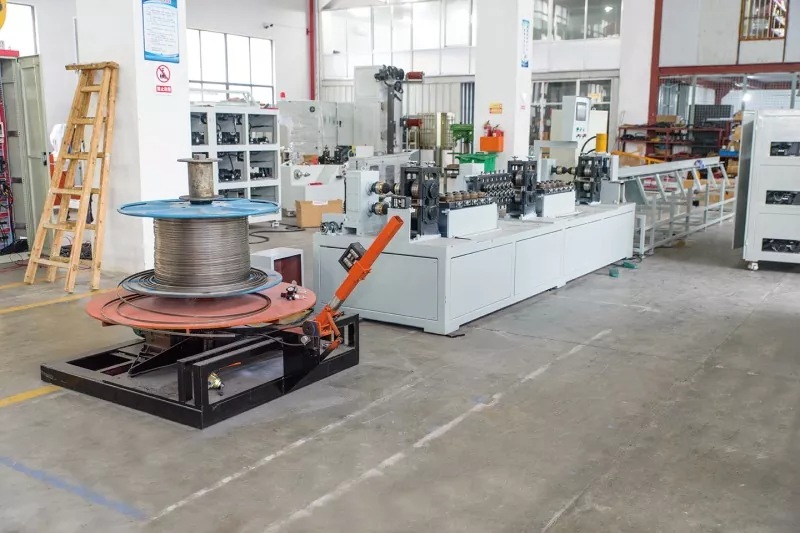
Transforming raw wire into components for delicate electronics or medical devices relies on specialized tools that ensure every bend or cut meets tight tolerances. Manual crafters often start with precision pliers and cutters, which allow for hands-on control when shaping wires in prototypes or custom designs. These tools come in various forms, like round-nose pliers for smooth loops and flush-cutters to avoid sharp edges, enabling intricate work without compromising the wire's integrity.
As demands scale up, CNC wire benders and forming machines take center stage, automating complex shapes with sub-millimeter accuracy. These systems use programmable controls to execute repetitive tasks consistently, slashing production times while minimizing human error. By integrating sensors and feedback mechanisms, modern benders adjust on the fly, ensuring each curve aligns perfectly with spec sheets, even for high-volume runs like automotive wiring or aerospace connectors.
Supporting equipment such as tension control units and de-reelers plays a subtle yet vital role, preventing kinks or breaks by maintaining uniform wire feed. In high-precision settings, measuring instruments like digital calipers and microscopes verify dimensions, catching deviations before they affect assembly. This toolkit—from hand-held aids to automated rigs—forms the backbone of industries where a tiny miscalculation can derail entire systems, blending art and engineering to shape the unseen wires powering our world.
Material Selection for Optimal Performance in Wire Flattening Solutions
Choosing the right material for wire flattening is crucial, as it directly impacts both operational efficiency and final product quality. Different alloys and grades offer varied properties, such as tensile strength and ductility, which can either streamline the flattening process or lead to increased wear on machinery. For instance, selecting a high-strength steel might reduce the need for frequent equipment maintenance but could require more energy to flatten, whereas a softer copper alloy might flatten easily but wear out faster under high-volume production. It’s essential to balance material characteristics with the specific demands of your application to avoid costly downtime or subpar outputs.
Moreover, material compatibility with the flattening process—considering factors like temperature resistance and surface finish—can make a significant difference in performance. Some metals, such as aluminum, are prone to work hardening, which might necessitate intermediate annealing steps if not accounted for in the material choice. By thoroughly testing materials under real-world conditions or leveraging supplier data, companies can identify options that not only enhance durability but also improve the consistency of the flattened wire, leading to better end-use products in industries like electronics or automotive manufacturing.
In practice, innovative material selections are setting new benchmarks for wire flattening solutions. For example, advanced composites or specially treated alloys are increasingly being adopted to achieve superior flatness with minimal defects, outpacing traditional choices. This forward-thinking approach not only boosts performance but also caters to evolving industry standards, making it a key differentiator in competitive markets. By focusing on material science advancements, manufacturers can develop more resilient and efficient flattening processes that deliver long-term value.
Step-by-Step Processes for Achieving High-Accuracy Wire Shaping
To nail high-accuracy wire shaping, start with precision planning. This involves analyzing the wire's material properties, like elasticity and tensile strength, to set realistic bending tolerances. Sketch out detailed diagrams or use CAD software to map each bend, considering factors like springback and tooling clearances. A solid plan reduces guesswork and sets the stage for consistent results, making it easier to spot potential issues before physical work begins.
Next, focus on tool calibration and setup. Choose the right mandrels, wipers, and dies tailored to your wire gauge and bend radius. Set up your machine—whether it's a CNC bender or a manual jig—with meticulous attention to alignment and pressure settings. Test-run a few samples, adjust for any deviations, and document the parameters. This step ensures your tools work in harmony, minimizing errors from misalignment or overbending, which is key for repeatable accuracy.
Finally, implement continuous quality checks throughout the process. Monitor each bend as it's made, using gauges or optical comparators to compare against your specs. If minor inaccuracies arise, make real-time adjustments rather than waiting until the end. After shaping, inspect the final piece for dimensions and surface integrity, recording any learnings to refine future runs. This iterative approach keeps accuracy high by catching issues early and adapting on the fly.
Innovative Applications of Custom Wire Flattening in Modern Industries
Custom wire flattening has emerged as a transformative process in various sectors, enabling manufacturers to create uniquely shaped wires that meet precise specifications for advanced applications. In the aerospace industry, for instance, flattened wires are engineered to reduce weight while maintaining strength, which is critical for fuel efficiency and structural integrity in aircraft components. By tailoring the cross-sectional profile, companies can optimize electrical conductivity and thermal management in systems like avionics, leading to enhanced performance and reliability. This bespoke approach not only addresses specific engineering challenges but also opens up new design possibilities that were previously unattainable with standard round wires.
Beyond aerospace, the medical device field has leveraged custom wire flattening to develop innovative solutions that improve patient outcomes. Flattened wires, with their increased surface area, are ideal for minimally invasive surgical tools and implantable devices, offering better flexibility and biocompatibility. For example, in cardiac implants, these wires can be shaped to conform to anatomical structures, reducing stress on surrounding tissues and improving long-term functionality. The ability to fine-tune material properties through flattening allows for devices that are both durable and gentle, supporting advancements in personalized medicine and surgical precision.
In the renewable energy sector, custom wire flattening plays a pivotal role in enhancing the efficiency of solar panels and wind turbines. By creating wires with optimized shapes, manufacturers can reduce electrical losses and improve heat dissipation in photovoltaic cells and power transmission systems. This results in higher energy output and longer lifespan for renewable installations, contributing to more sustainable energy solutions. The adaptability of flattened wires also supports the development of compact and lightweight designs, which are essential for modern urban and off-grid applications, driving innovation toward a greener future.
Troubleshooting Common Issues in Wire Flattening and Shaping Work
When working with wire flattening and shaping, it's easy to run into snags like inconsistent thickness or surface defects that slow down production. Often, these problems stem from worn-out tooling or improper machine settings, which can cause the wire to bend unevenly or develop unwanted marks. To tackle this, start by checking and calibrating your equipment regularly, ensuring that rollers and dies are clean and aligned. Adjusting the tension and feed rates can also make a big difference in achieving a smooth, uniform finish without compromising the wire's structural integrity.
Another frequent hiccup involves material-related issues, such as wire that's too brittle or prone to cracking during the shaping process. This might be due to incorrect annealing or using wire with impurities. In such cases, consider reviewing your material specifications and pre-treatment methods, like heat treatment, to enhance ductility. Implementing real-time quality checks, such as visual inspections or using gauges, can help catch flaws early, preventing costly rework and ensuring the wire meets precise dimensional requirements every time.
Beyond mechanical and material factors, operator skill plays a crucial role in avoiding common pitfalls. Misalignment during setup or inconsistent handling can lead to variations in the final product. Investing in thorough training for your team on proper techniques and troubleshooting steps can minimize errors. By fostering a proactive approach—where issues are identified and resolved swiftly—you'll not only improve efficiency but also maintain high standards in wire flattening and shaping, making the whole operation more reliable and less prone to downtime.
FAQ
Wire flattening and shaping involves mechanically deforming round wires into flat or custom cross-sections to meet specific requirements in precision engineering, such as improved conductivity, structural integrity, or integration into tight spaces.
Custom wire shaping allows for tailored designs that optimize performance in devices like medical implants, electronics, and aerospace components, by providing precise dimensions and enhanced material properties for complex assemblies.
Common materials include copper for electrical conductivity, stainless steel for corrosion resistance, and specialized alloys like nitinol for shape memory, chosen based on application demands like strength or flexibility.
Techniques include roll flattening for uniform thickness, die shaping for complex profiles, and laser cutting for intricate patterns, ensuring high accuracy and repeatability in production.
Flattening wires increases surface area, reducing resistance for better electrical efficiency and enhancing heat dissipation, which is crucial in high-power electronics and thermal management systems.
Industries such as medical devices for surgical tools, automotive for sensors, and telecommunications for connectors benefit from custom solutions that improve reliability, miniaturization, and functionality.
Challenges include material stress and dimensional inconsistencies, addressed through controlled annealing processes, precise tooling design, and quality inspections to ensure specifications are met without defects.
Conclusion
Wire flattening and shaping represent a critical aspect of precision engineering, where customized solutions are essential for meeting specific project requirements. This guide delves into understanding various wire flattening techniques tailored for custom engineering projects, emphasizing the importance of material selection to achieve optimal performance. By carefully choosing materials, engineers can enhance durability and functionality, ensuring that the flattened wire meets the rigorous demands of modern applications. Additionally, the process involves utilizing essential tools and equipment, which are fundamental to achieving high accuracy in shaping. These tools, ranging from advanced rollers to specialized presses, enable precise control over dimensions and surface finishes, making custom wire flattening a versatile solution across industries.
To implement these techniques effectively, a step-by-step process is crucial for achieving high-accuracy wire shaping, which includes detailed planning and execution phases. This systematic approach helps minimize errors and ensures consistency in production. Furthermore, innovative applications of custom wire flattening are transforming modern industries, from electronics to automotive sectors, where tailored wire components enhance performance and efficiency. However, challenges may arise, making troubleshooting common issues in wire flattening and shaping work an integral part of the process. By addressing these problems proactively, such as material defects or tool wear, engineers can maintain quality and reliability. Overall, this guide serves as a comprehensive resource for mastering custom wire flattening and shaping, highlighting its role in advancing precision engineering with adaptable and robust solutions.
Contact Us
Contact Person: Rayna
Email: [email protected]
Tel/WhatsApp: 86 -173 1474 6343
Website: https://www.grmrollingmill.com/