

Can a Plastic Mold really decide whether your product succeeds?
2025-12-29
When I first started working with manufacturing clients, I noticed something interesting. Many buyers focused on price or delivery speed, yet the projects that truly succeeded always had one quiet hero behind them: a well-designed Plastic Mold. That realization is also how Aicheng gradually entered my field of vision—not through loud marketing, but through consistent results on the production floor.
In this article, I want to walk you through the real questions buyers ask about Plastic Mold solutions, based on hands-on experience. I will focus on practical pain points, technical value, and how the right decisions translate into long-term advantages.
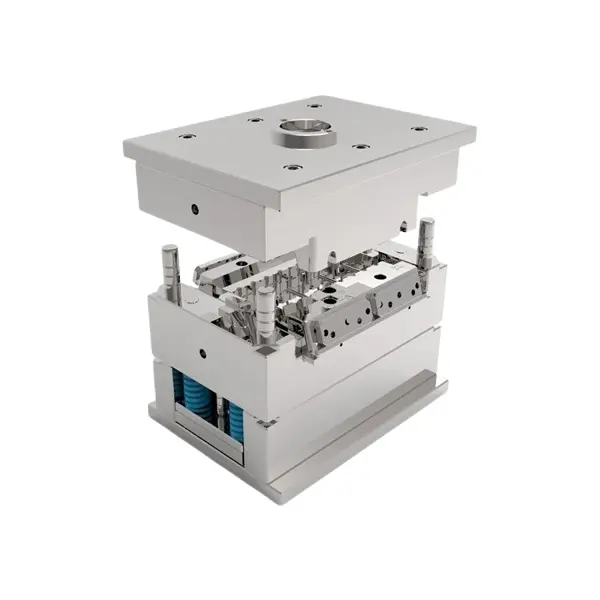
Why does Plastic Mold quality matter more than most buyers expect?
A Plastic Mold is not just a tool; it is the foundation of repeatable manufacturing. When mold quality is overlooked, problems tend to surface later—often when they are most expensive to fix.
- Inconsistent dimensions leading to assembly issues
- Surface defects that reduce product value
- Short mold lifespan causing frequent replacements
- Unstable cycle times affecting delivery schedules
From my experience, investing in a reliable Plastic Mold upfront often reduces total project cost rather than increasing it.
How can Plastic Mold design reduce long-term production costs?
Cost efficiency is rarely about choosing the lowest initial quote. A well-engineered Plastic Mold directly influences production stability and material usage over time.
| Design Factor | Impact on Production | Buyer Benefit |
|---|---|---|
| Optimized cooling channels | Shorter cycle time | Lower unit cost |
| Precision cavity machining | Consistent part accuracy | Reduced rejection rate |
| Durable mold steel selection | Extended mold life | Fewer replacements |
When evaluating a Plastic Mold, I always look beyond the drawing and ask how it performs after thousands or even millions of cycles.
What should buyers really ask before choosing a Plastic Mold supplier?
Many sourcing discussions stay at a surface level. In practice, the right questions reveal whether a supplier understands real-world production.
- How is mold flow analysis used to prevent defects?
- What testing is done before mold delivery?
- How are tolerance issues handled during trial runs?
- Is after-sales technical support available?
A professional Plastic Mold partner should be able to explain these points clearly, without vague promises or overstatements.
Can customization in Plastic Mold manufacturing create a competitive edge?
Standard solutions rarely fit every product. Customization is where a Plastic Mold begins to add strategic value rather than just functional value.
In projects I have observed, customized mold structures helped manufacturers:
- Adapt to unique material requirements
- Improve product appearance and consistency
- Scale production smoothly as demand increased
This is one area where companies like Aicheng stand out by aligning engineering decisions with the customer’s long-term product roadmap, not just the first batch.
Is your Plastic Mold prepared for future production challenges?
Markets change, and products evolve. A future-ready Plastic Mold considers potential upgrades, material changes, and higher output demands from the beginning.
From my perspective, flexibility in mold design is not an extra—it is a safeguard. It helps manufacturers respond faster to new requirements without restarting the entire tooling process.
Are you ready to improve your Plastic Mold strategy today?
If you are planning a new project or reviewing your current tooling performance, now is the right time to rethink your Plastic Mold approach. The right partner can help you reduce risks, improve efficiency, and protect your investment over the long term.
If you want to explore tailored solutions or discuss your specific application, I encourage you to contact us. Share your requirements, ask your questions, and let us help you build a smarter, more reliable production foundation.