

How to Install Pure PTFE Gaskets to Prevent Leakage?
2026-03-25
Why Does Proper Installation of PTFE Gaskets Matter in Industrial Sealing?
In industrial piping systems, flange joints are often the most vulnerable points where leakage can occur. Improper gasket installation is one of the leading causes of sealing failure, especially in applications involving corrosive chemicals, high temperatures, or fluctuating pressure conditions. A correctly installed Pure PTFE Gasket provides excellent chemical resistance, low friction, and long-term sealing reliability, making it a preferred choice across petrochemical plants, water treatment facilities, and food-grade processing lines.
From our factory experience, many leakage issues are not caused by gasket material failure but by incorrect installation practices such as uneven bolt tightening, misalignment, or improper surface preparation. In North American and European markets, technicians often refer to this as “flange sealing integrity,” which highlights the importance of both material quality and installation technique. At Ningbo Kaxite Sealing Materials Co., Ltd., our engineering team emphasizes that proper installation can extend service life by more than 30 percent.
Our factory has worked with clients in demanding environments where sealing reliability directly impacts operational safety. By applying standardized installation procedures and selecting high-quality materials, our customers consistently achieve improved system uptime and reduced maintenance costs.
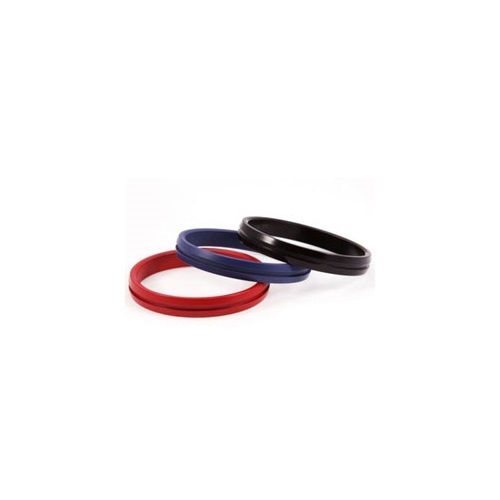
How Should You Prepare Flange Surfaces Before Installing PTFE Gaskets?
Surface preparation is a critical first step before installing any sealing component. Even the highest quality Pure PTFE Gasket cannot perform effectively if the flange surfaces are damaged, contaminated, or misaligned. Our factory recommends thoroughly cleaning flange faces to remove oil, debris, rust, or old gasket residues.
In industrial practice, technicians often use wire brushes, non-metallic scrapers, or approved solvents to ensure a clean sealing surface. It is also important to inspect for surface defects such as scratches, pitting, or warping, which may compromise sealing performance.
Proper alignment is another key factor. Misaligned flanges create uneven compression, leading to localized stress and eventual leakage. Our team advises using alignment tools or guides to ensure that both flange faces are parallel before installation. These small steps significantly improve sealing performance and reduce the risk of failure.
| Inspection Item | Recommended Practice | Impact on Sealing |
| Surface Cleanliness | Remove oil and debris | Prevents leakage paths |
| Surface Flatness | Check for warping | Ensures even compression |
| Alignment | Use alignment tools | Avoids uneven stress |
| Damage Check | Inspect scratches or pits | Maintains sealing integrity |
At Ningbo Kaxite Sealing Materials Co., Ltd., our factory provides technical guidance to ensure that installation conditions match gasket performance requirements, helping clients achieve consistent sealing results.
What Are the Correct Installation Steps for Pure PTFE Gaskets?
Installing a Pure PTFE Gasket requires a systematic approach to ensure optimal sealing performance. Skipping steps or applying uneven pressure can lead to premature failure. Our factory recommends the following best practices widely used in industrial maintenance.
First, position the gasket carefully between the flange faces, ensuring it is centered without overhang. Misplacement can expose the gasket edge to process media, increasing the risk of damage.
Second, insert all bolts and hand-tighten them evenly. This initial step helps maintain proper alignment before applying final torque. In industrial environments, technicians often follow a “cross-tightening pattern,” also known as a star pattern, to ensure uniform load distribution.
Third, apply torque gradually in multiple stages. For example, tighten bolts to 30 percent, then 60 percent, and finally 100 percent of the recommended torque value. This staged approach prevents uneven compression and ensures that the Pure PTFE Gasket seats properly.
Our factory also recommends using calibrated torque wrenches to achieve accurate bolt loading. Over-tightening can cause gasket deformation, while under-tightening may result in leakage. Proper torque control is essential for long-term sealing reliability.
These installation steps, when combined with quality materials, significantly reduce the risk of leakage in demanding applications.
What Technical Parameters Define High-Quality PTFE Gaskets?
Understanding product specifications is essential when selecting sealing materials. The performance of a Pure PTFE Gasket depends on its physical and chemical properties, which determine its suitability for specific applications.
| Parameter | Typical Value | Performance Benefit |
| Temperature Range | -200°C to 260°C | Handles extreme conditions |
| Pressure Resistance | Up to 20 MPa | Supports high-pressure systems |
| Chemical Resistance | Excellent | Suitable for corrosive media |
| Density | 2.1 – 2.3 g/cm3 | Ensures material stability |
| Tensile Strength | 15 – 30 MPa | Improves durability |
At Ningbo Kaxite Sealing Materials Co., Ltd., our production lines are equipped with advanced processing equipment to ensure consistent material quality. Our factory strictly controls raw material selection and manufacturing processes to meet international standards, ensuring reliable performance across various industries.
By selecting materials with the right specifications, operators can achieve better sealing efficiency and longer service life.
How Can Maintenance Practices Extend the Life of PTFE Gaskets?
Even with proper installation, ongoing maintenance plays a key role in ensuring long-term sealing performance. Routine inspection helps identify early signs of wear, such as creep relaxation, deformation, or chemical degradation.
Our factory recommends periodic torque checks, especially in systems exposed to thermal cycling or vibration. These conditions can cause bolt loosening over time, reducing sealing pressure. Re-tightening bolts according to specified torque values helps maintain sealing integrity.
Another important practice is monitoring system conditions such as pressure fluctuations and chemical exposure. Sudden changes in operating conditions can affect gasket performance. By maintaining stable operating parameters, users can significantly extend the lifespan of a Pure PTFE Gasket.
In many industrial facilities, preventive maintenance programs are used to minimize unplanned downtime. These programs include scheduled inspections, performance monitoring, and timely replacement of worn components.
Our factory supports customers with technical recommendations to optimize maintenance strategies and improve system reliability.
FAQ
How to Install Pure PTFE Gaskets to Prevent Leakage?
Proper installation involves cleaning flange surfaces, ensuring correct alignment, positioning the gasket accurately, and tightening bolts in a cross pattern using staged torque application. This method ensures even compression and minimizes leakage risk.
What is the most common mistake when installing PTFE gaskets?
The most common mistake is uneven bolt tightening, which leads to irregular compression and creates leakage paths. Using a calibrated torque wrench and following a cross-tightening sequence helps avoid this issue.
How often should PTFE gaskets be replaced in industrial systems?
Replacement frequency depends on operating conditions, but regular inspections should be conducted. In high-pressure or high-temperature environments, gaskets may require more frequent replacement to maintain sealing performance.
Conclusion
Achieving reliable sealing performance requires a combination of proper installation techniques, high-quality materials, and consistent maintenance practices. By focusing on flange preparation, correct installation procedures, and routine inspections, industries can effectively reduce leakage risks and improve operational efficiency.
Our factory is committed to providing dependable sealing solutions tailored to various industrial needs. If you are looking to improve system reliability and reduce maintenance costs, contact our team today to explore customized options and professional support for your sealing applications.